1 week ago
Allahabad High Court Favors Businessman in Bank Account Freeze

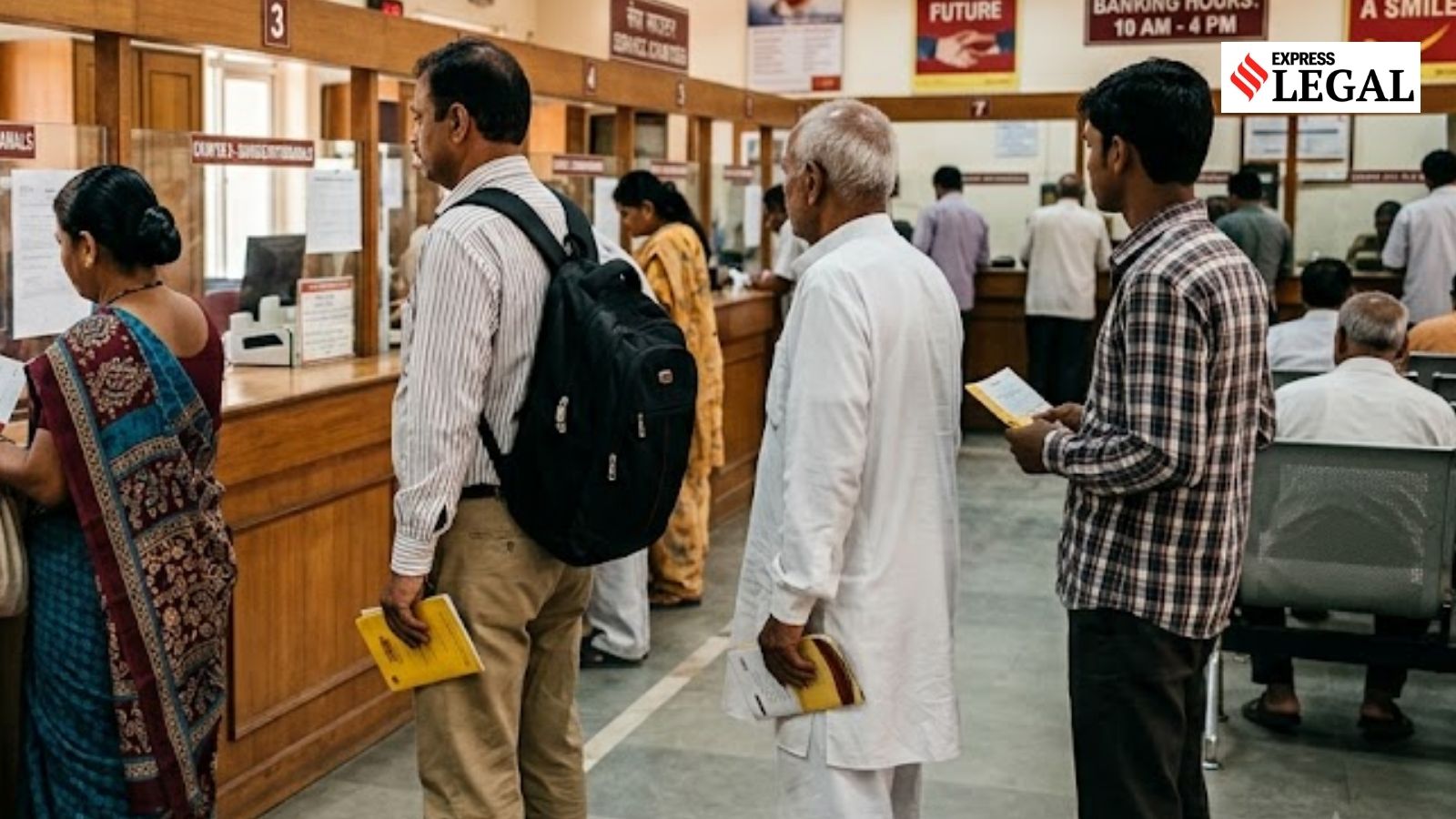
A businessman received ₹23 lakh in his bank account through an electronic transfer.
His bank noticed that this amount was much larger than the annual income he had declared.
The bank then froze his account.
The bank said it acted under the Prevention of Money Laundering Act.
The Allahabad High Court said the bank had not shown a valid reason for doing this.
The court said banks cannot investigate money on their own like police or other agencies.
Banks may act on instructions from legally empowered agencies such as the police, the Enforcement Directorate, or the Central Bureau of Investigation.
The court ordered the bank to pay the businessman ₹50,000.
It also warned that freezing accounts based only on suspicion is becoming a serious concern.

A fish-machinery businessman received ₹23 lakh through RTGS on January 16, 2026.
His bank froze the account after comparing the deposit with his declared annual income of ₹5.76 lakh.
The bank cited the Prevention of Money Laundering Act, 2002, but provided no cybercrime alert or competent-authority direction.
The Allahabad High Court ruled that the freeze was arbitrary and beyond the bank’s authority.
The court ordered the bank to pay the account holder ₹50,000 within four weeks.
- Who
- A businessman in the fish-machinery segment, his bank, and the Allahabad High Court’s Lucknow bench.
- What
- The court ruled in the businessman’s favour after his account was frozen following a ₹23 lakh RTGS deposit and ordered ₹50,000 in compensation.
- Where
- The case was decided by the Allahabad High Court’s Lucknow bench.
- When
- The deposit was made on January 16, 2026; the bank was directed to pay the compensation within four weeks of the ruling.
- Why
- The court found that the bank froze the account based on its own assessment, without a cybercrime alert or direction from a competent authority.
Businessman and Court
Bank
Reason for freezing the account
Businessman and Court
The businessman challenged the freeze, and the court found that the bank acted without a valid reason, cybercrime alert, or direction from a competent authority.
Bank
The bank said it froze the account under the Prevention of Money Laundering Act, 2002, after the ₹23 lakh deposit appeared inconsistent with the customer’s declared income.
Bank’s investigative authority
Businessman and Court
The court said banks cannot independently determine whether funds are legitimate or act as investigative agencies; they must rely on instructions from legally empowered authorities.
Bank
The bank’s action reflected its concern over a large deposit that did not match the customer’s declared annual income, although the court rejected this as sufficient justification.
Key facts
- RTGS deposit
- ₹23 lakh received on January 16, 2026
- Declared annual income
- ₹5.76 lakh
- Bank’s stated basis
- The Prevention of Money Laundering Act, 2002
- Court’s finding
- The account freeze was arbitrary and lacked sufficient justification
- Compensation
- ₹50,000
- Payment deadline
- Within four weeks
- Authorities identified as legally empowered
- Police, Enforcement Directorate, and Central Bureau of Investigation
Sources
Related news

MP High Court Orders SBI Account Unfrozen, Holds Disputed Funds
Rajasthan High Court Limits Blanket Freezes in Cyber Fraud Cases

Calcutta High Court Restores Banerjee’s Frozen Account and Cards

Abhishek Banerjee moves high court over frozen bank account

ED Freezes Rs 51.75 Crore Deposit in DHFL Fraud Probe

Calcutta High Court Questions Bank Freeze on Abhishek Banerjee
ED Searches 14 Premises Over Alleged NHAI Toll Fraud

Mumbai Court Defers Charges Against Munir Khan Over Health

ED Presses Punjab Police to Register FIR Before Hearing

Chhattisgarh High Court Rejects Plea To Replace ED-Attached Properties
Chief Justice Warns Global Money Laundering Leaves Vast Wealth Unrecovered