10 months ago
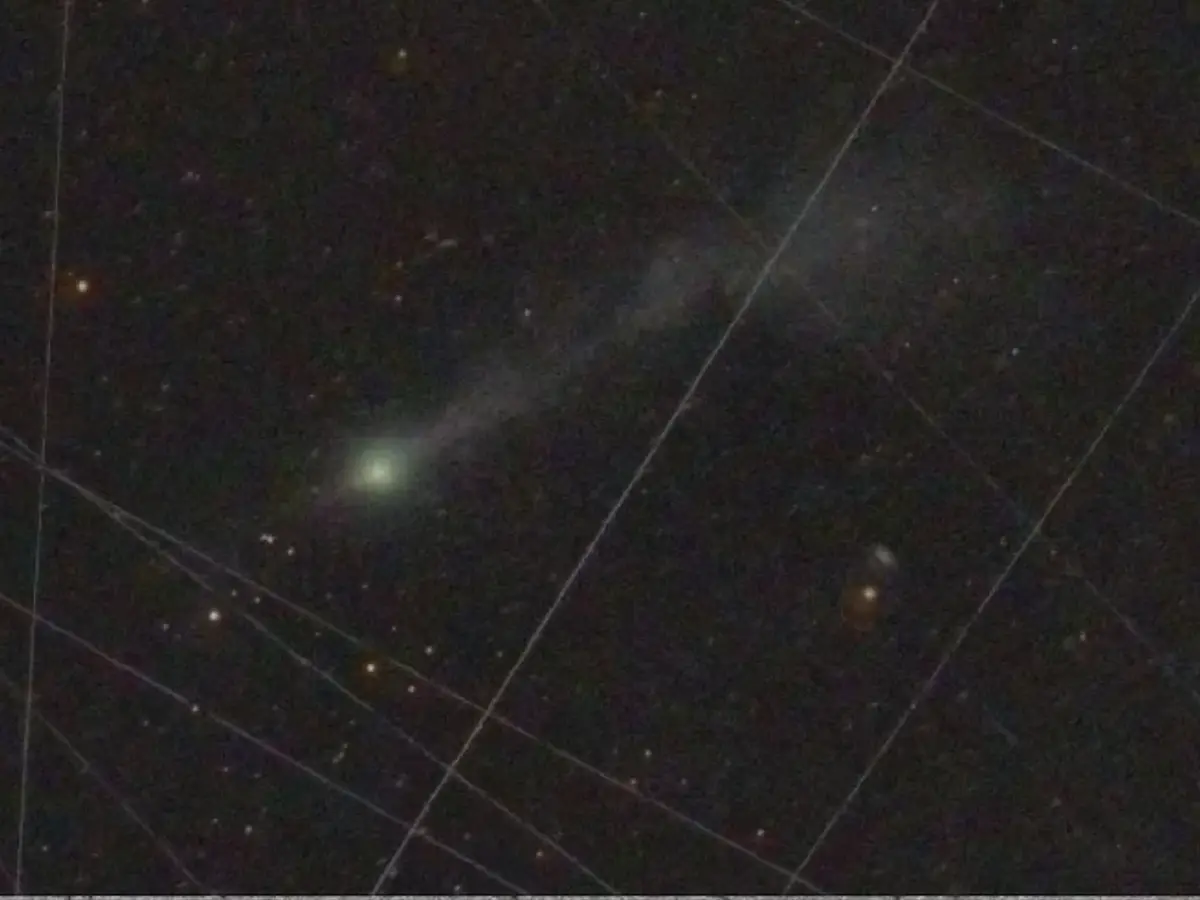
Comet C/2025 K1 (ATLAS) Unexpectedly Survives Solar Flyby, Turns Golden
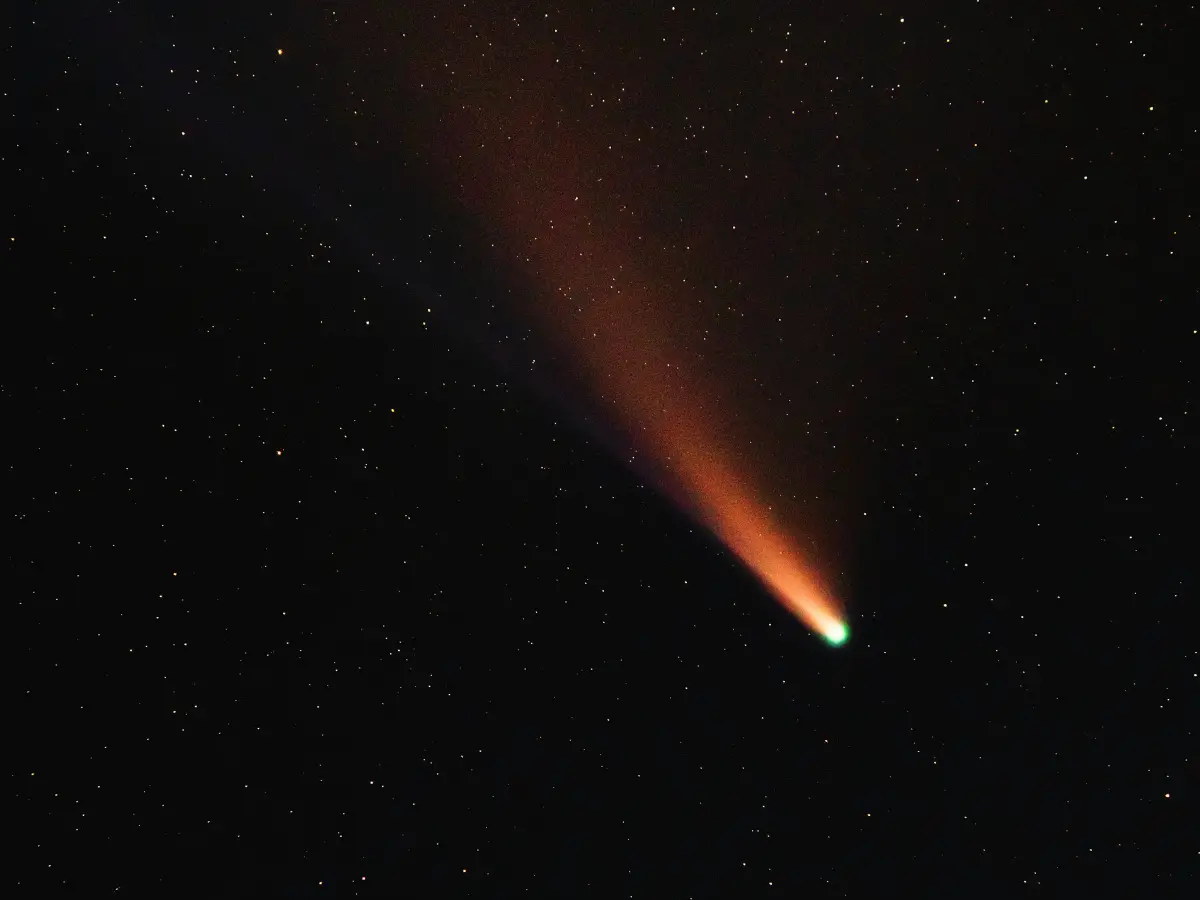
Imagine a comet, like a giant snowball in space, that was on a trip very close to the Sun.
Scientists thought the Sun's heat and pull would break it apart.
But this comet, called C/2025 K1 (ATLAS), didn't break!
It got really close, even closer than Mercury is to our Sun, but it came out mostly in one piece.
After its trip, it started to look different, glowing a special golden color, which is unusual for comets.
Usually, comets look white because they reflect all colors of sunlight.
This one's golden glow might be because it doesn't have certain types of molecules that other comets have.
Astronomers are still trying to figure out exactly why it turned this color and survived.
You need a telescope to see it, and it will be closest to Earth in late November.

Comet C/2025 K1 (ATLAS) unexpectedly survived an extremely close encounter with the Sun.
The comet, discovered in May, approached within 50 million kilometers of the Sun on October 8.
Following its solar flyby, the comet developed a distinct golden, red/brown color.
Astronomers are investigating the cause of its survival and rare golden hue, noting a lack of typical carbon-bearing molecules.
The comet is currently visible with binoculars or a telescope and will reach its closest point to Earth on November 25.
- Who
- The Asteroid Terrestrial-impact Last Alert System (ATLAS), astrophotographer Dan Bartlett, other photographers in California and Arizona.
- What
- Comet C/2025 K1 (ATLAS) unexpectedly survived a close encounter with the Sun and has turned a rare golden color.
- Where
- Encountered the Sun and observed from California and Arizona.
- When
- Discovered in May, encountered the Sun on October 8, observed as golden on October 29, closest approach to Earth on November 25.
- Why
- The comet's survival and golden color are attributed to a lack of carbon-bearing molecules, though the exact reason remains unknown.
Key facts
- Comet Name
- C/2025 K1 (ATLAS)
- Discovery System
- Asteroid Terrestrial-impact Last Alert System (ATLAS)
- Perihelion Date
- October 8
- Closest Approach to Sun
- 50 million kilometers
- Observed Color
- Golden, red/brown
- Current Magnitude
- 9
- Closest Approach to Earth
- November 25
Quotes
Dan Bartlett
astrophotographer
“This comet was not supposed to survive its October 8th perihelion, but it did.”
 wionews.com
“a red/brown/golden colour rarely seen in comets.”
wionews.com
David Schleicher
Astronomer
“carbon-bearing molecules, such as dicarbon, carbon monoxide and cyanide.”
wionews.com
“we don't know exactly why”
wionews.com