9 months ago
Rare Golden Comet C/2025 K1 (ATLAS) Amazes Skywatchers
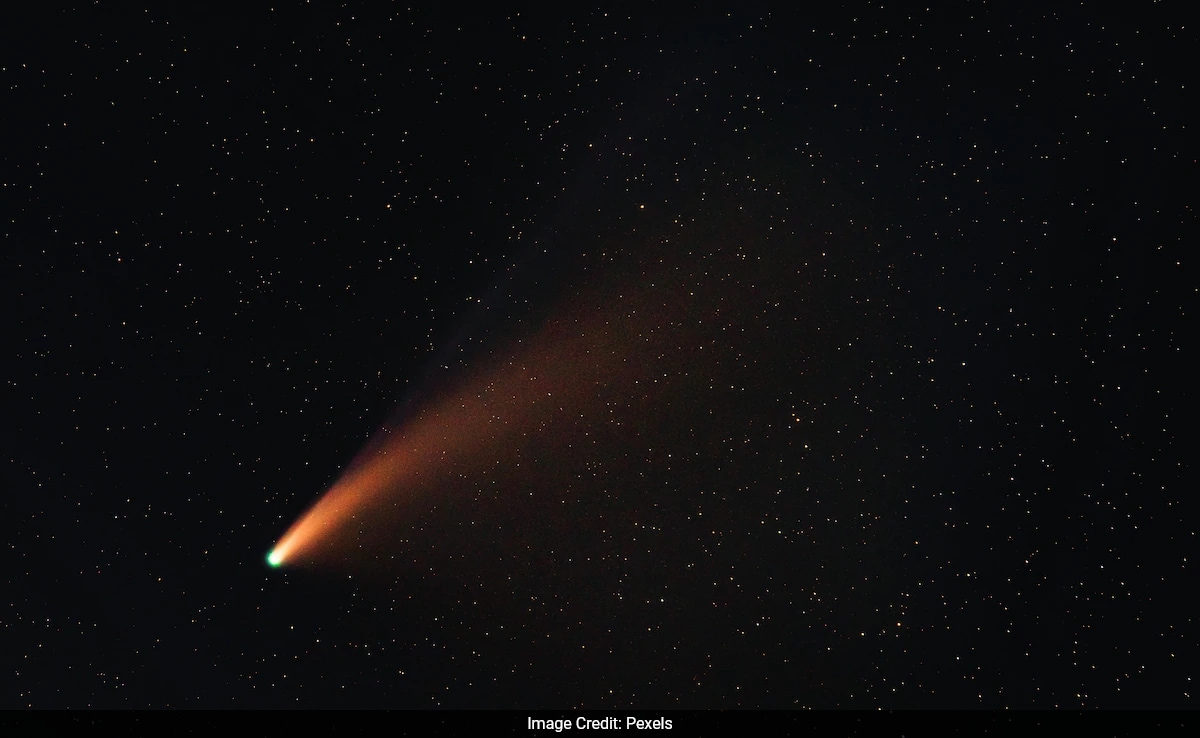
Imagine a giant snowball made of ice and dust flying through space.
Usually, when these snowballs get close to the Sun, they glow green or blue because of the gases they release.
But this special snowball, called Comet C/2025 K1 (ATLAS), turned a beautiful golden color!
It came from very far away, called the Oort Cloud.
Scientists thought it might break apart when it got super close to the Sun on October 8, but it was strong and survived.
This comet is special because it doesn't have much carbon in it compared to other comets, which is why it looks golden instead of green or blue.
Now that it's safe, you can see it with a telescope or even binoculars in the morning sky.
It looks really impressive!

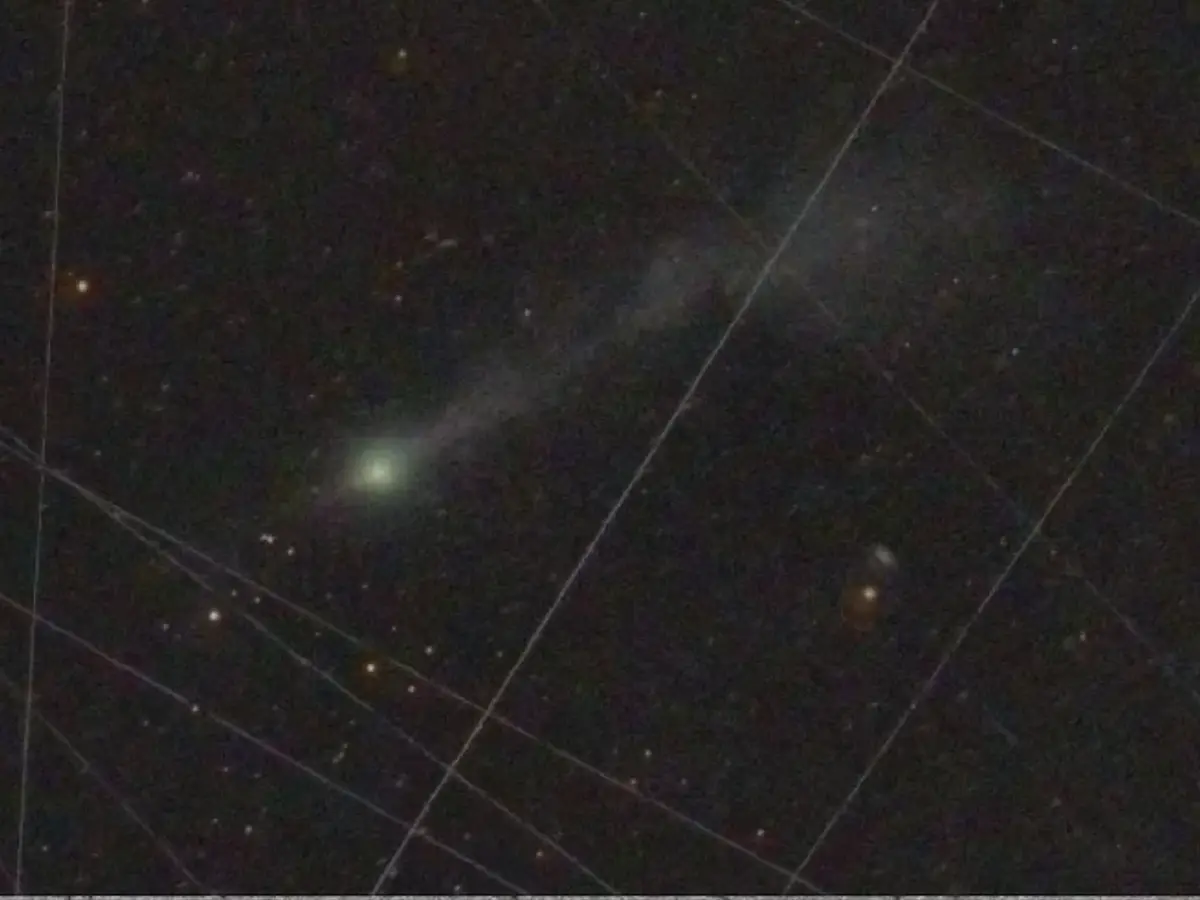
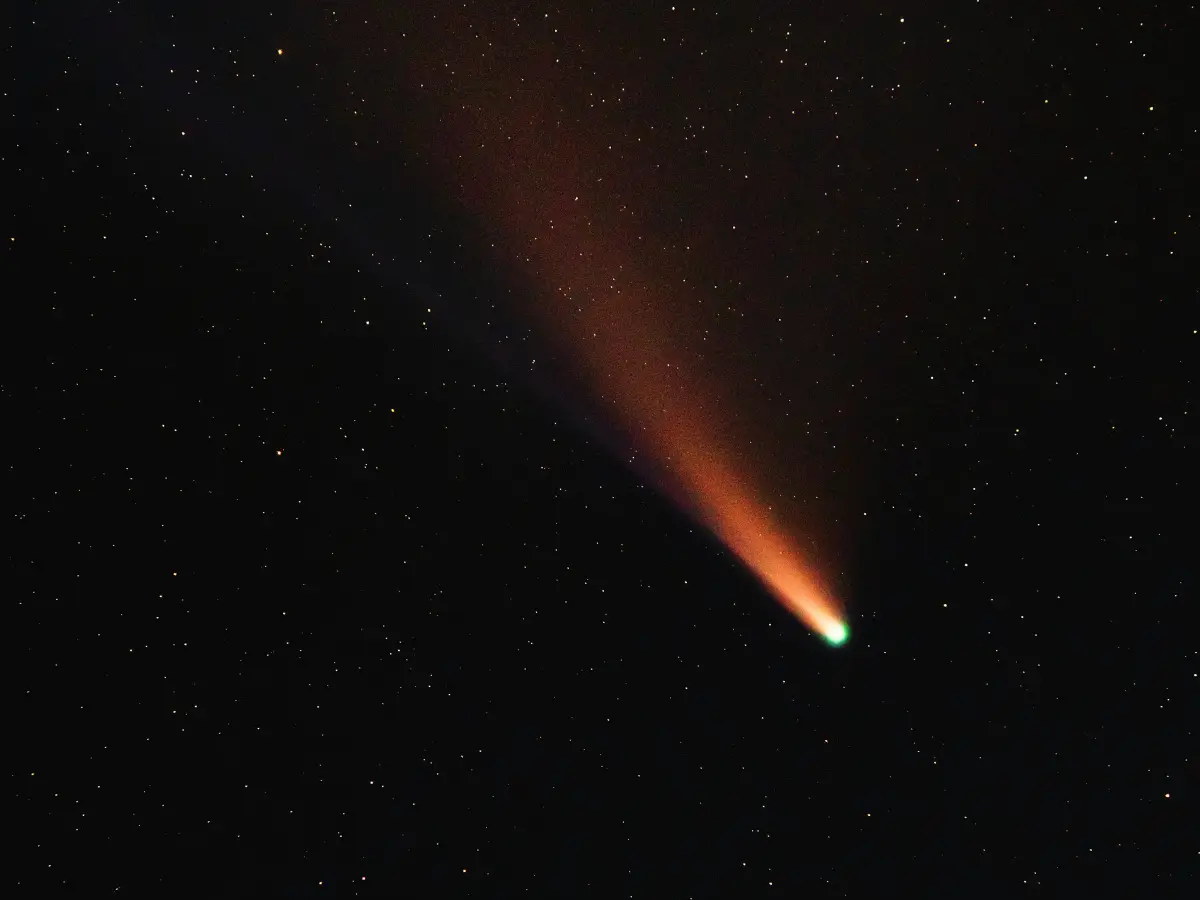
A rare comet, C/2025 K1 (ATLAS), is captivating skywatchers with its unusual golden, red, and brown glow.
The comet was discovered in May 2025 by the ATLAS system and originated from the Oort Cloud.
It successfully survived a close approach to the Sun on October 8, defying expectations of breaking apart.
Astronomers note its unique coloration is due to a lower-than-usual ratio of carbon-containing compounds.
The comet is currently visible with binoculars and telescopes in the eastern sky before sunrise.
- Who
- Astronomers and skywatchers
- What
- Observing the rare golden comet C/2025 K1 (ATLAS) after it survived a close approach to the Sun.
- Where
- Observed from the US, in the eastern sky near the border of Virgo and Leo.
- When
- Currently visible during autumn and winter; perihelion was October 8.
- Why
- The comet survived its close approach to the Sun and displays a rare golden, red, and brown coloration due to an unusually low number of carbon-containing compounds.
Key facts
- Comet Name
- C/2025 K1 (ATLAS)
- Discovery Date
- May 2025
- Discovery System
- Asteroid Terrestrial-impact Last Alert System (ATLAS)
- Perihelion Date
- October 8
- Perihelion Distance
- 0.33 AU
- Origin
- Oort Cloud
- Visual Magnitude
- 9th magnitude
Quotes

Dan Bartlett
Astronomer observing from June Lake, California
“extremely impressive at 9th magnitude”
 NDTV
NDTV

Tony Phillips
Writer for spaceweather.com
“the comet is easily visible with binoculars”
NDTV