2 days ago
What Science Says About Pulses, Gut Health and Metabolism
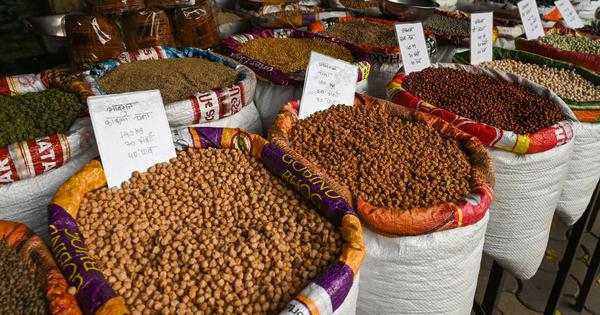
Pulses are foods such as lentils, chickpeas, dried beans and dried peas.
They contain fibre, protein and carbohydrates that can be useful to the body.
Some of their fibre feeds helpful microbes in the gut.
Pulses can also make blood sugar rise less quickly after a meal.
Studies suggest they may slightly lower cholesterol and help people feel fuller.
However, these effects do not mean pulses replace medical treatment or guarantee weight loss.
Preparing pulses by soaking or sprouting may help the body absorb some minerals.
Scientists are still studying how pulses affect long-term health, especially the gut microbiome.

A 2026 review found pulses may support gut microbes, though stronger long-term human studies are needed.
Evidence from 65 trials involving 2,102 adults showed pulses reduced blood-sugar rises after meals.
A 2024 review of 24 trials found modest reductions in total and LDL cholesterol.
Short-term studies suggest pulses increase feelings of fullness, but not necessarily lower food intake later.
Soaking and sprouting can reduce phytate and improve the availability of iron and zinc.
- Who
- Researchers reviewing human, laboratory and animal studies; the article was written by Lewis CE Mason of Kingston University.
- What
- The evidence suggests pulses can affect gut microbes, reduce after-meal blood-sugar rises, modestly improve cholesterol, increase fullness and alter mineral absorption.
- Where
- When
- A review discussed in the article was published in 2026; a separate cholesterol review was published in 2024.
- Why
- To assess what happens in the body after people eat pulses and how they may affect health.
Key facts
- Pulses included
- Lentils, chickpeas, dried beans and dried peas.
- Blood-sugar evidence
- A review of 65 clinical trials involving 2,102 adults found reduced blood-sugar rises after meals containing pulses.
- Cholesterol evidence
- A 2024 review of 24 trials involving 1,938 people found modest reductions in total and LDL cholesterol.
- Gut effects
- Pulses provide fibre and carbohydrates that gut microbes can use to produce short-chain fatty acids.
- Fullness
- Short-term feeding studies found greater reported fullness after meals containing pulses, but not consistently lower intake at the next meal.
- Preparation
- Soaking and sprouting can reduce phytate and improve the availability of iron and zinc, although results vary.
- Environmental role
- Legume-root partnerships with bacteria convert atmospheric nitrogen into forms plants can use, potentially reducing reliance on synthetic nitrogen fertilisers.
Sources
Related news
Fibre Benefits May Begin Quickly but Build Over Time

Vinegar Before Carbs May Reduce Blood Sugar Spikes
Antibiotics may temporarily affect blood sugar, glucose metabolism
Can chickpeas make curd culture? Experts explain viral hack
Study finds South Asian guts need region-specific health advice
The Age Code Argues Food May Shape How We Age

IIT Hyderabad Hosts UKRI Symposium on 19th-Century Studies