3 weeks ago
Sourdough or regular bread: fermented loaf wins over health-conscious eaters

Sourdough is a special kind of bread made with just flour, water, salt, and a natural starter.
The starter ferments for a long time, which gives sourdough its tangy taste.
During fermentation, wild yeast and helpful bacteria change the dough.
This process partly breaks down gluten, protein, and other parts of the bread.
Because of this, sourdough can be easier for our tummies to digest.
It also helps our bodies use healthy minerals like iron and zinc better.
Sourdough does not make our blood sugar rise as quickly as regular white bread.
Many people feel less bloated when they eat it.
But experts say sourdough is not a magic food.
You still need to eat the right amount, especially if you have diabetes, and check how much salt is in the bread.

Sourdough is made with flour, water, salt and a natural starter that ferments over several days, using wild yeast and beneficial bacteria instead of commercial yeast or preservatives.
Fermentation lowers sourdough's glycaemic index, helping to prevent blood sugar spikes and making it a better option for people managing diabetes or insulin resistance.
The slow fermentation reduces phytic acid, improving the body's absorption of minerals such as iron, zinc, magnesium and selenium.
Sourdough typically ferments for 12 to 48 hours compared with 1 to 2 hours for regular bread, and many people find it easier to digest with less bloating.
Experts caution that sourdough is not a miracle food: portion control and salt content still matter, and whole-grain options are recommended.
- Who
- Dietitians Sraboni Mukherjee (Fortis Hospital Anandapur), Debalina Dutta (CK Birla Hospital CMRI) and Jayati (AM Medical Centre) explain the benefits, while health-conscious consumers in Kolkata adopt sourdough.
- What
- Sourdough bread is gaining popularity as a healthier alternative to regular commercial bread because of its natural fermentation, lower glycaemic index, better mineral absorption and easier digestion.
- Where
- Kolkata, India, including artisanal bakeries and home kitchens.
- When
- Not specified in the article; the trend is described as growing.
- Why
- The long fermentation lowers the glycaemic index, reduces phytic acid for better mineral absorption, partially breaks down gluten for easier digestion, and creates resistant starch that nourishes gut bacteria.
Sourdough proponents
Cautious experts
Is sourdough the healthier bread?
Sourdough proponents
Sourdough is nutritionally superior to conventional bread: fermentation lowers the glycaemic index, releases minerals like iron and zinc, and makes the bread easier to digest.
Cautious experts
Sourdough is not a miracle food; portion control remains important especially for people with diabetes, and whole-grain options with moderated salt content are needed for a balanced diet.
Key facts
- Food focus
- Sourdough bread vs regular commercial bread
- Sourdough ingredients
- Flour, water, salt and a natural starter
- Commercial bread ingredients
- Often contains sugar, oil and preservatives
- Fermentation time
- 12 to 48 hours for sourdough; 1 to 2 hours for regular bread
- Key health claims
- Lower glycaemic index, better mineral absorption, easier digestion
- Minerals better absorbed
- Iron, zinc, magnesium, selenium
- Expert sources
- Sraboni Mukherjee (Fortis Hospital Anandapur), Debalina Dutta (CK Birla Hospital CMRI), Jayati (AM Medical Centre)
- Expert caution
- Not a miracle food; portion control and salt content matter
Quotes
Sraboni Mukherjee
Chief dietician, Fortis Hospital Anandapur
“"Sourdough bread is often considered a healthier alternative to regular commercial white bread because of its natural, slow fermentation process."”
 telegraphindia.com
“"From a nutritional point of view, sourdough bread is better than conventional bread."”
telegraphindia.com
Sources
Related news

Five Kolkata Pizzerias Serving Notable Sourdough Pizzas

When Masala Dosa Is Healthy or Becomes Junk Food

Experts Encourage Families to Add Fermented Foods Daily

Nutritionist Says Whole-Wheat Aata Golgappa Shells May Be Healthier

Jaggery Isn't Much Healthier Than Sugar, Nutritionists Say
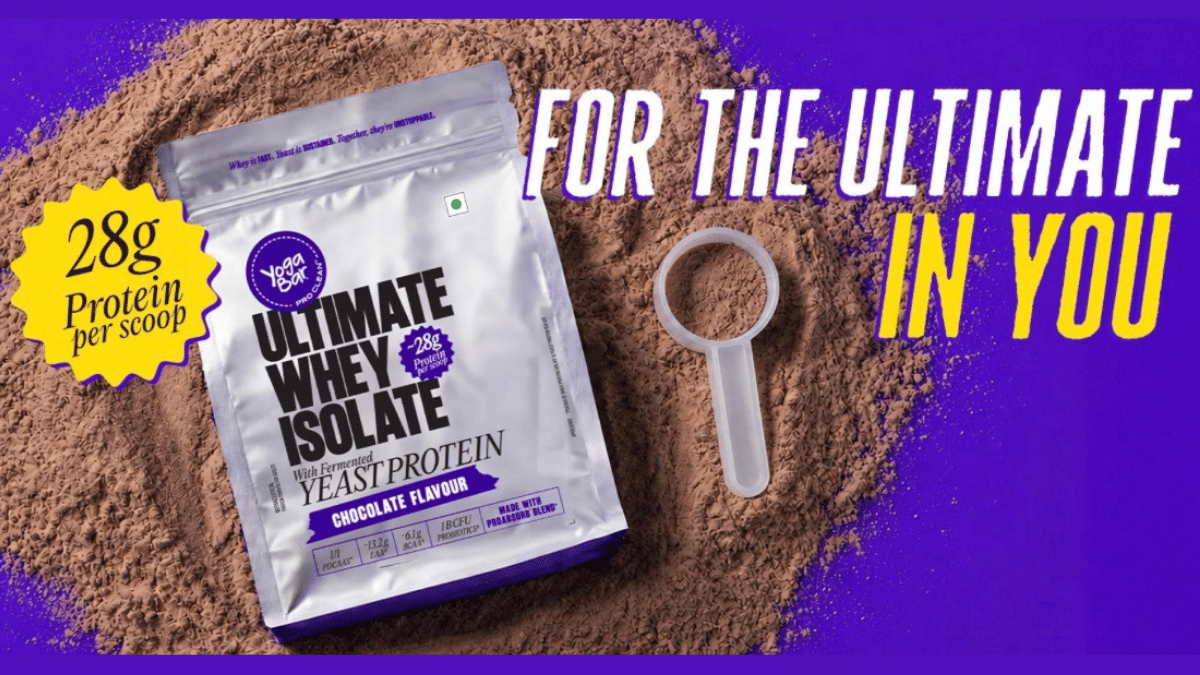
Yoga Bar Launches Whey Isolate With Fermented Yeast Protein