

1 day ago
Eight-Week Indian Market Rout Highlights Need For Reform
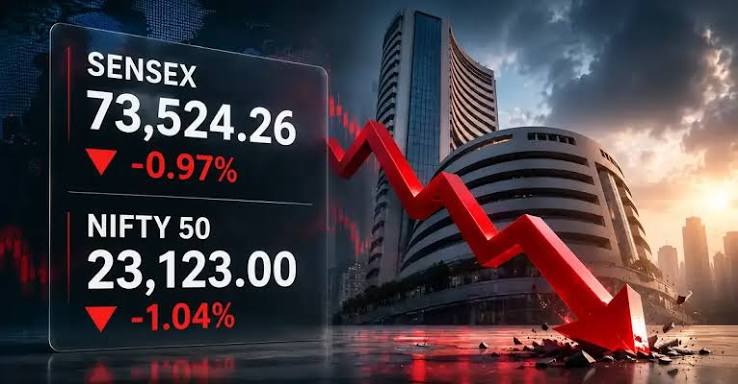
Indian share markets have fallen every week for eight weeks in a row.
This is their longest losing run in 25 years.
The Nifty fell 8.7%, while the Sensex fell 8.4%.
Investors are choosing US government bonds because they now offer higher returns.
This makes it harder for Indian companies and other emerging markets to attract foreign money.
India is also facing concerns about oil prices, a weak monsoon, inflation and fewer jobs.
These problems may reduce how much people spend.
The article says India’s economy is unlikely to collapse, but recovery may be difficult.
It argues that India needs reforms to become stronger and less dependent on other countries.

The Sensex and Nifty have fallen for eight consecutive weeks, the longest such streak in 25 years.
The Nifty declined 8.7% and the Sensex 8.4% during the losing streak.
A US 10-year Treasury yield of 5.34% has made global investors favor government bonds over emerging-market equities.
Higher crude prices, protectionist policies and geopolitical uncertainty are adding pressure to India’s economy and markets.
The article says India needs reforms to become more competitive, innovative and less dependent on foreign countries.
- Who
- India’s stock markets, global investors and the broader Indian economy are involved.
- What
- The Sensex and Nifty have recorded an eight-week losing streak, prompting calls for economic reform.
- Where
- The market decline is occurring in India, amid pressures from global financial markets.
- When
- The decline was reported this week and has continued for eight consecutive weeks.
- Why
- Higher US bond yields, inflation, crude oil prices, geopolitical uncertainty, a weak monsoon, jobless growth and rising prices are affecting investor confidence and economic activity.
Key facts
- Losing streak
- Eight consecutive weeks
- Previous record referenced
- Seven weeks during the beginning of the Covid pandemic
- Nifty decline
- 8.7% during the period
- Sensex decline
- 8.4% during the period
- US 10-year Treasury yield
- 5.34%, described as its highest since 2002
- Domestic concerns
- Weak monsoon, food inflation, jobless growth and rising prices
- Proposed response
- Restructure India’s economy to make it agile, competitive, innovative and less dependent on foreign countries
Sources
Related news
What Could Steady Indian Stocks After Eight Weekly Losses
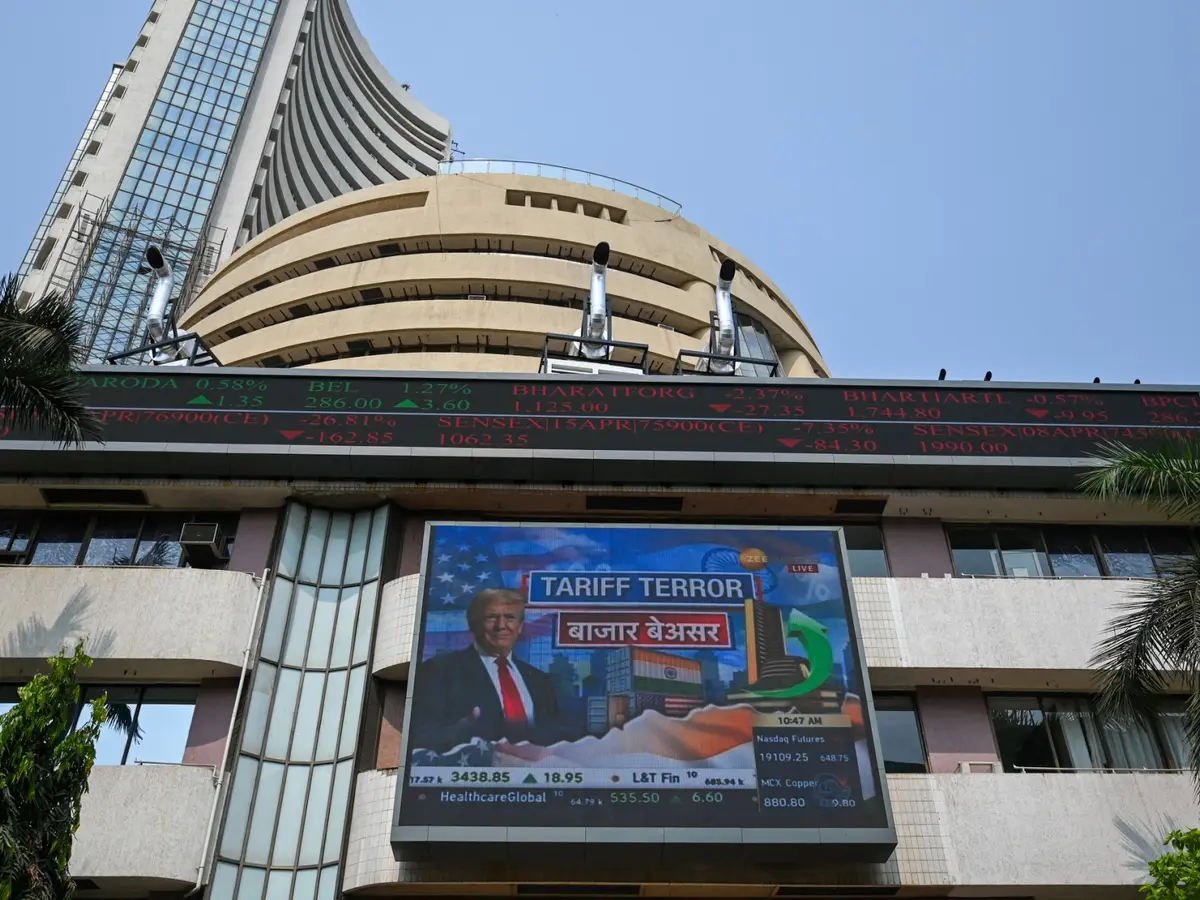
Indian Stock Market Crash Wipes Out ₹7.4 Lakh Crore

Indian Shares Face Pressure From Oil, High US Yields

Nifty, Sensex Extend Record Losing Streak Amid Global Pressure
Indian Stocks Post Eighth Straight Weekly Loss Amid Capital Flight

Indian Markets Extend Sell-Off as Oil and Yields Rise
Sensex Support Seen at 71,000–71,200 as Nifty Eyes Rebound

RBI Policy, TCS Earnings and Oil to Steer Markets

Indian Markets Watch RBI Policy, Earnings and West Asia

Sensex, Nifty Face Key Supports as Global Cues Shift

Indian Stocks Set for Dividends, Splits and Bonuses This Week
