

2 days ago
What Could Steady Indian Stocks After Eight Weekly Losses
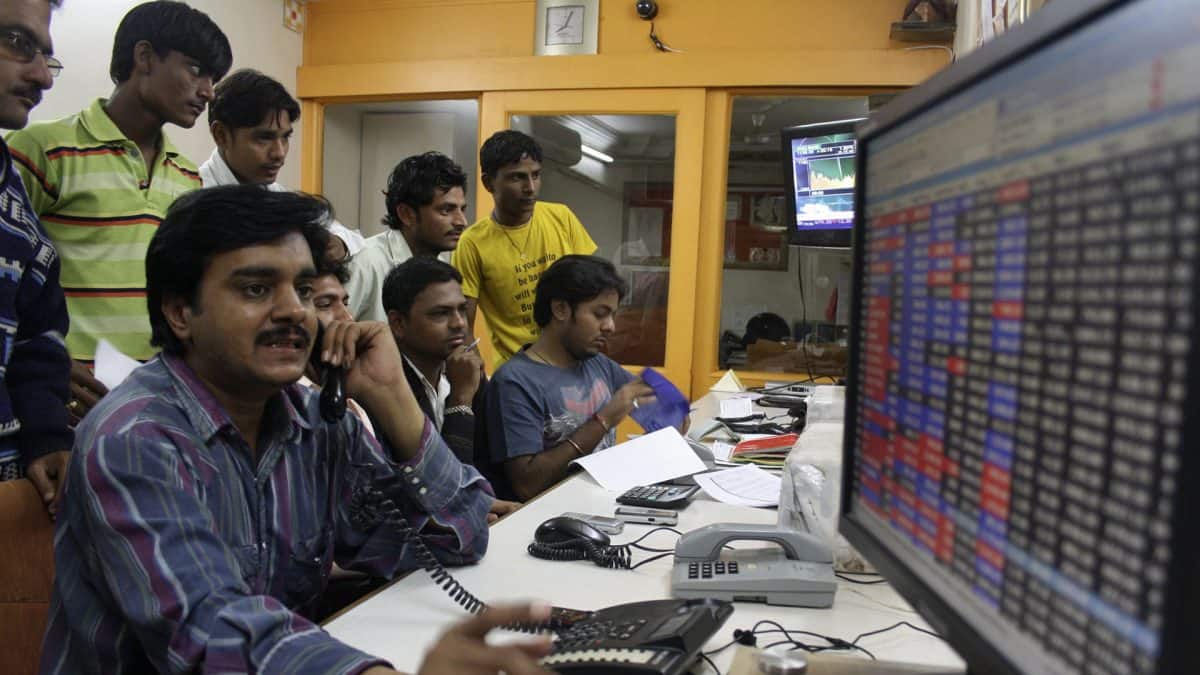
Indian stock markets have fallen for eight weeks in a row.
This is the Nifty 50’s longest weekly losing streak in 25 years.
Foreign investors have sold a large amount of Indian shares.
They may prefer US bonds because those investments are offering higher returns.
Oil has also become expensive, which can make imports and inflation more costly for India.
The Reserve Bank of India will meet in October to discuss interest rates.
Strong consumer spending during the festive season could support Indian companies.
Markets may steady if oil prices and global bond yields fall and foreign investors return.

The Nifty 50 has fallen 8.7% over eight consecutive weeks, its longest losing streak in 25 years.
Foreign investors have withdrawn a record $27.8 billion from Indian shares so far this year.
Brent crude rose above $102 a barrel, increasing pressure on India’s trade balance, rupee and inflation.
The Reserve Bank of India’s October 5–7 policy meeting could influence market expectations on rates and inflation.
Softer oil prices, lower US bond yields, improved foreign flows and strong domestic demand could help stabilize equities.
- Who
- Indian equity investors, foreign portfolio investors, the Reserve Bank of India and domestic consumers are central to the market outlook.
- What
- The Nifty 50 and Sensex have recorded eight consecutive weekly declines, while investors assess what could stabilize Indian stocks.
- Where
- Indian stock markets, influenced by global US bond and oil markets.
- When
- The decline has lasted eight weeks; the Reserve Bank of India’s policy meeting is scheduled for October 5–7, and trading resumes October 5 after the October 2 holiday.
- Why
- Foreign outflows, high crude prices, elevated global bond yields, a weaker rupee and policy uncertainty are pressuring equities.
Factors Supporting Stabilization
Factors Sustaining Market Pressure
Global capital flows
Factors Supporting Stabilization
A sustained moderation in US Treasury yields could reduce the appeal of US fixed income and help foreign investors return to Indian equities.
Factors Sustaining Market Pressure
High US yields and a stronger dollar are encouraging foreign investors to sell Indian shares.
Oil prices
Factors Supporting Stabilization
A sustained decline in crude prices, particularly if geopolitical tensions ease, could reduce pressure on India’s trade balance, rupee and inflation.
Factors Sustaining Market Pressure
Brent crude above $100 a barrel raises import, inflation and currency risks and limits room for easier monetary policy.
Domestic demand and policy
Factors Supporting Stabilization
Firm economic activity, strong credit growth and festive-season spending could support earnings and offset weak foreign flows.
Factors Sustaining Market Pressure
A possible RBI rate increase, elevated inflation and higher domestic bond yields could weigh on financial conditions.
Key facts
- Nifty 50 decline
- Down 8.7% over eight consecutive weeks.
- Sensex decline
- Down 8.4% over eight consecutive weeks.
- Foreign outflows
- Foreign investors have sold a reported record $27.8 billion of Indian shares so far this year by October 1.
- Brent crude
- Rose above $102 a barrel on Friday after crossing $100 on Thursday.
- US 10-year Treasury yield
- Reached 5.34%, its highest level since 2002.
- RBI meeting
- The Monetary Policy Committee is scheduled to meet from October 5 to 7.
- Domestic economy
- The economy grew by nearly 8% in the April–June quarter, while bank credit growth exceeded 19% in July.
Sources
Related news

Nifty, Sensex Extend Record Losing Streak Amid Global Pressure

Indian Shares Face Pressure From Oil, High US Yields
Indian markets log longest weekly losing streak in 25 years
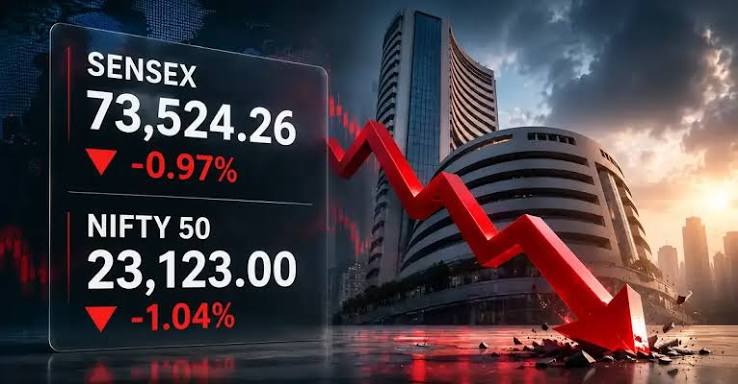
Eight-Week Indian Market Rout Highlights Need For Reform

Indian Stocks Fall as Foreign Selling and Oil Pressure Mount

Indian Stocks Extend Six-Week Losing Streak Amid Global Pressure
Sensex Support Seen at 71,000–71,200 as Nifty Eyes Rebound

RBI Policy, TCS Earnings and Oil to Steer Markets

Indian Markets Watch RBI Policy, Earnings and West Asia

Sensex, Nifty Face Key Supports as Global Cues Shift

Indian Stocks Set for Dividends, Splits and Bonuses This Week
