1 hr ago
India’s Regulatory System Must Evolve for Tailored Gene Therapies

Some rare diseases are caused by specific changes in a person’s genes.
Scientists can design gene treatments for those changes.
In India, many people belong to endogamous communities, where people have historically married within the same community.
This can make the same rare genetic change appear in several people.
A treatment made for one person could then help dozens of others.
The article says this gives India a strong reason to support gene-therapy research.
It also says India’s rules for approving these treatments need to change.
The goal would be to find treatments more quickly and at lower cost.

Tailored gene therapy can potentially treat some rare diseases.
India has the world’s largest number of endogamous communities.
The same rare mutation can recur among people within one community.
A therapy developed for one person may therefore treat dozens more.
The article argues India should modernize its regulatory system to develop cures faster and more cheaply.
- Who
- India, people with rare diseases, and researchers developing tailored gene therapies.
- What
- The article calls for India’s regulatory system to evolve so tailored gene therapies can be developed and used more effectively.
- Where
- India.
- When
- Why
- India has many endogamous communities in which the same rare mutation may recur, potentially allowing one therapy to treat dozens of people faster and more cheaply.
Key facts
- Medical focus
- Tailored gene therapy for rare diseases
- Country discussed
- India
- Demographic feature
- India has the largest number of endogamous communities in the world
- Genetic pattern
- The same rare mutation can recur within an endogamous community
- Potential benefit
- A therapy designed for one person may treat dozens more
- Proposed change
- India’s regulatory system should evolve
- Stated objective
- Develop cures faster and more cheaply
Sources
Related news
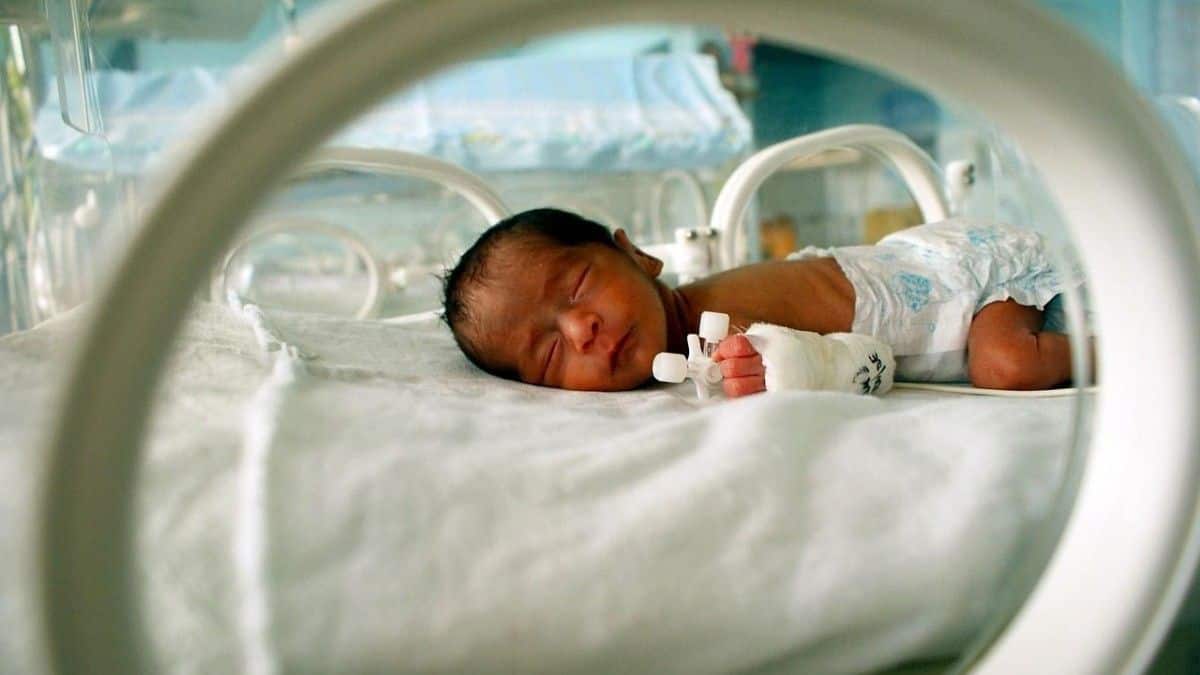
Firstpost Story Sparks India-Netherlands Effort for Affordable Tiratricol

Family Seeks Access to Rare Disease Drug for Toddler

US Sets Zero Tariff on Indian Rare-Disease Drugs
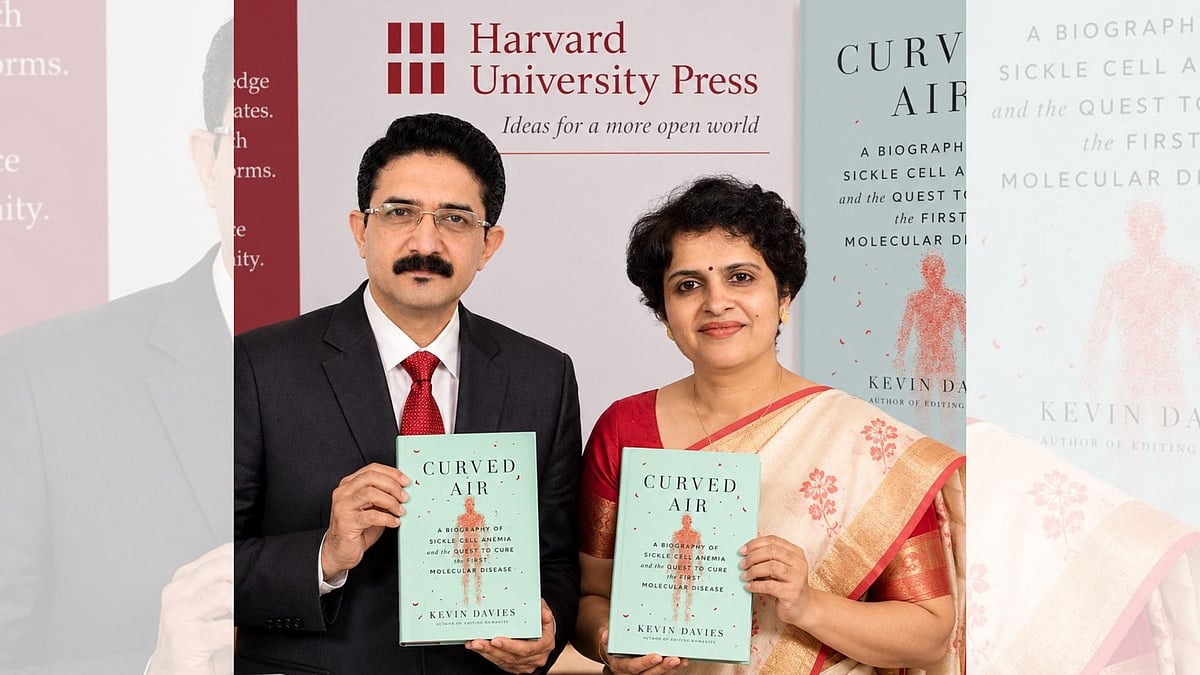
Bhopal Doctors’ Sickle Cell Initiative Gains Harvard Recognition

UPSC Key Explains Sulphur, Security, AI And Cultural Appropriation
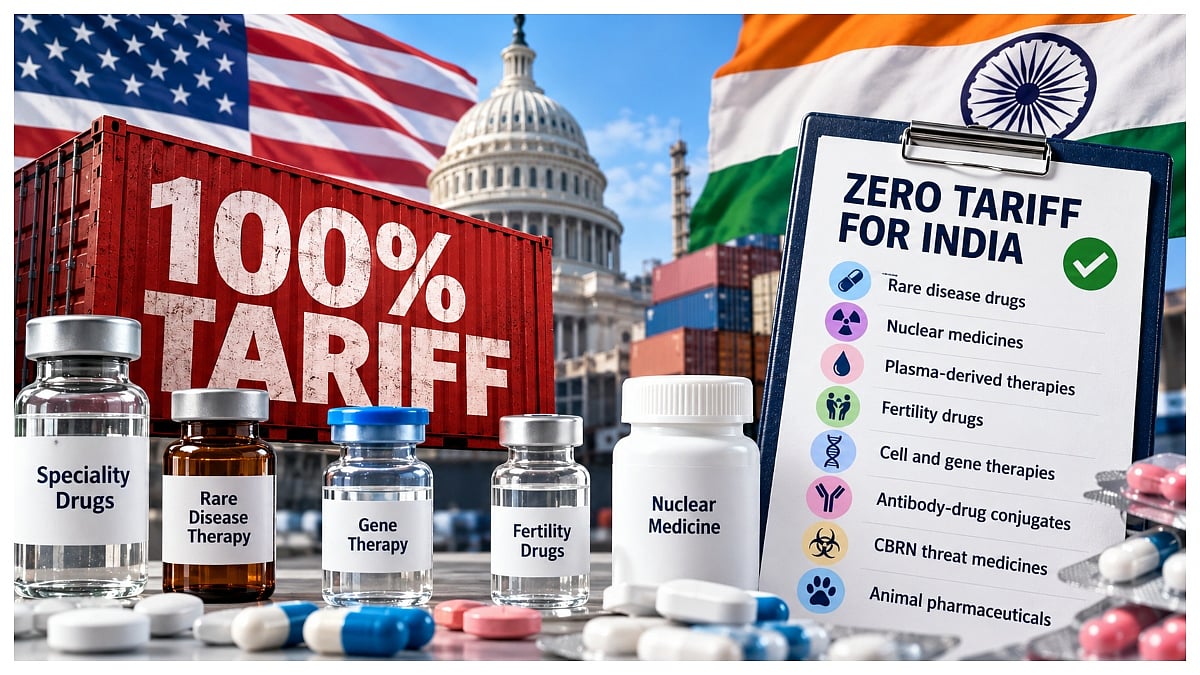
US Exempts Select Specialty Drugs From Tariffs, India Included

Bain Says AI Market Must Reach $6 Trillion By 2031

FASTag Annual Pass Crosses One Crore Users in 13 Months

Four IPOs Close With Strong, Varied Investor Demand

Pramerica Life Launches Poorna Rakshak With Five Benefit Options
Tamil Perspective Highlights Resilient Communities at Global Health Summit