

2 hrs ago
Nashik Drought Threatens Water and Fodder for Livestock
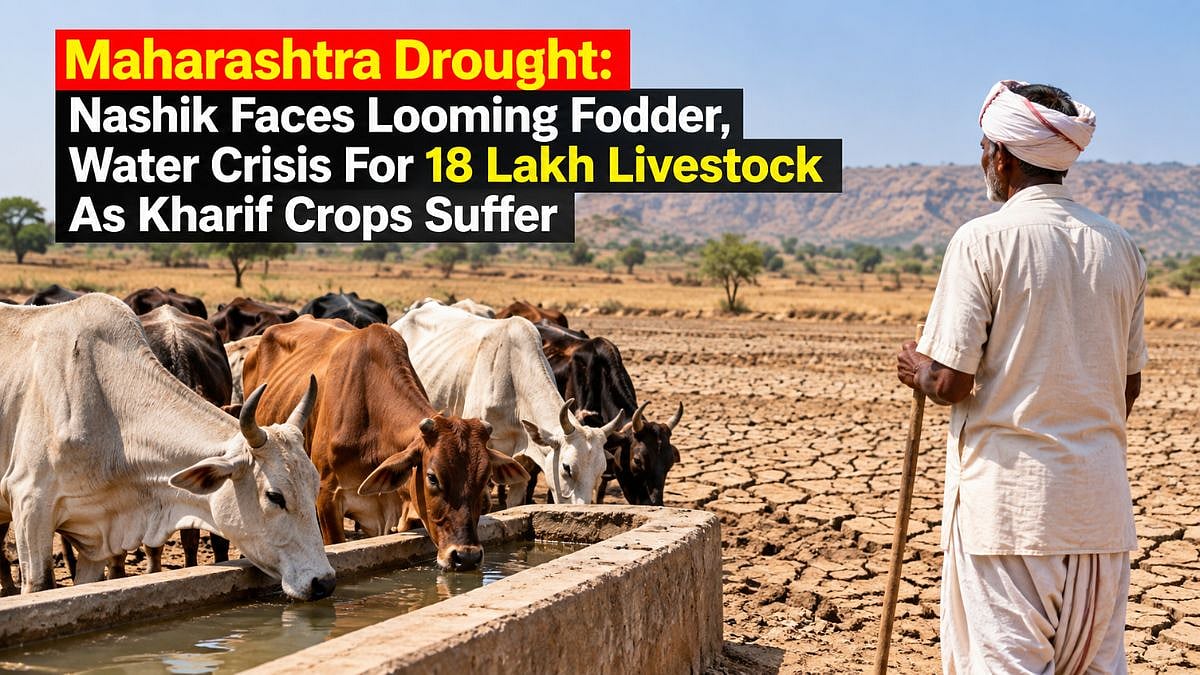
Nashik is facing drought, and crops have been damaged.
This makes it harder for farmers to find enough food for their animals.
The district has about 18 lakh livestock.
Together, the animals need a lot of fodder and water every day.
There is fodder available now, but officials estimate it may last only a little over four months.
If the drought continues, there may be less green fodder and less water.
The administration plans to send water tankers to villages that need them.
Officials also say fodder supplies and other water sources should be planned before the situation gets worse.

Nashik district has about 18 lakh livestock, facing growing concerns over water and fodder as drought conditions worsen.
The animals need about 6,406 metric tons of fodder and 368.8 million litres of water each day.
Available fodder across the district’s 15 talukas is estimated at 893,000 metric tons, enough for slightly more than four months.
Drought has damaged Kharif crops, and reduced green fodder could put further pressure on supplies.
The administration plans to use tankers for livestock in water-scarce villages and stresses advance planning for fodder and alternative water sources.
- Who
- About 18 lakh livestock and their owners in Nashik district are affected by concerns over water and fodder.
- What
- Drought and crop damage are raising concerns about livestock water and fodder supplies.
- Where
- Nashik district, Maharashtra.
- When
- The report is dated October 3, 2026, as the monsoon is set to withdraw.
- Why
- Drought, damaged Kharif crops and the prospect of prolonged water scarcity threaten fodder and water availability.
Key facts
- Livestock population
- About 18 lakh across Nashik district
- Daily fodder requirement
- About 6,406 metric tons
- Monthly fodder requirement
- About 207,393 metric tons
- Daily water requirement
- About 368,804,000 litres
- Estimated fodder available
- About 893,000 metric tons across 15 talukas
- Estimated fodder duration
- Slightly over four months
- Planned response
- Water tankers for livestock in water-scarce villages, based on assessed need
Sources
Related news

Maharashtra Drought-Like Conditions Threaten Water and Fodder Supplies

Maharashtra Farmers Sell Livestock as Drought Leaves Animals Thirsty

Drought Fears Prompt Fodder Survey in Chhatrapati Sambhajinagar District
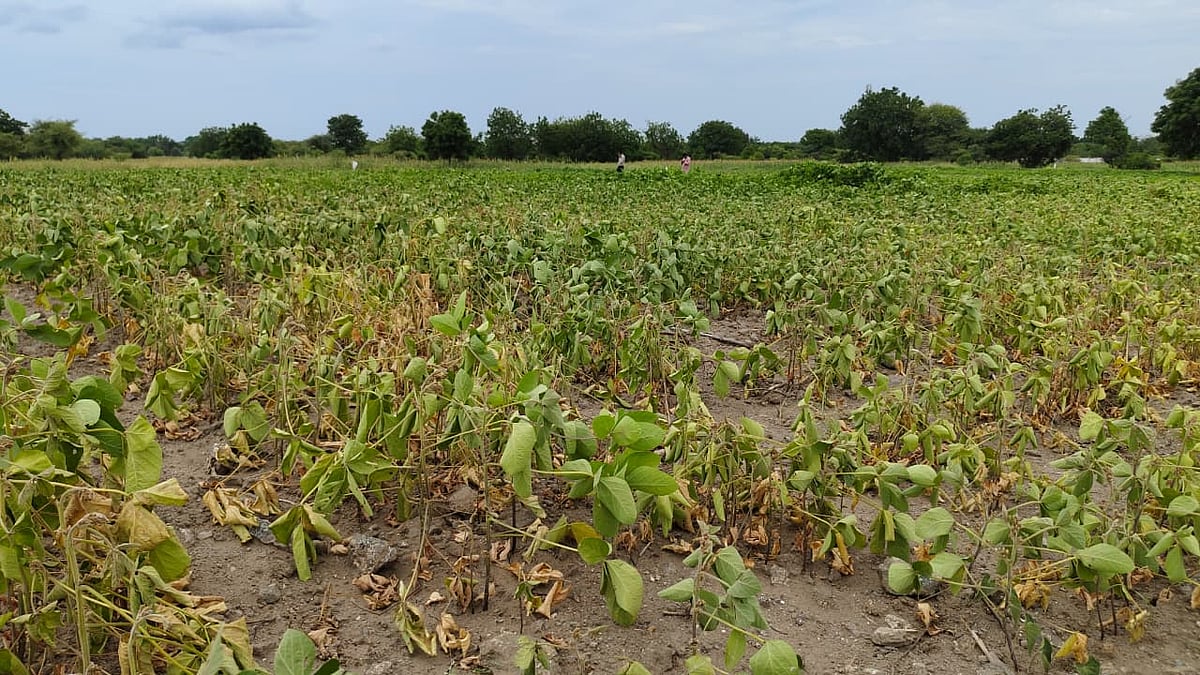
Beed Faces Drought Threat as Dams Retain Just 16%
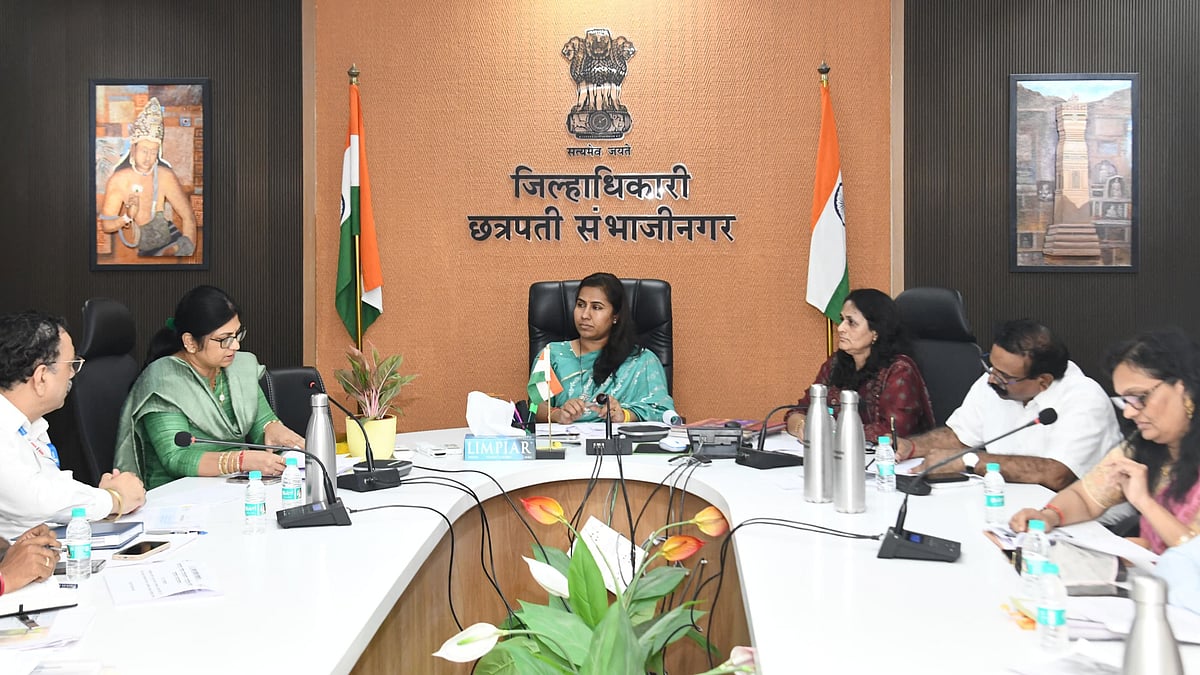
Micro-Level Planning Ordered To Prevent Marathwada Water Shortage
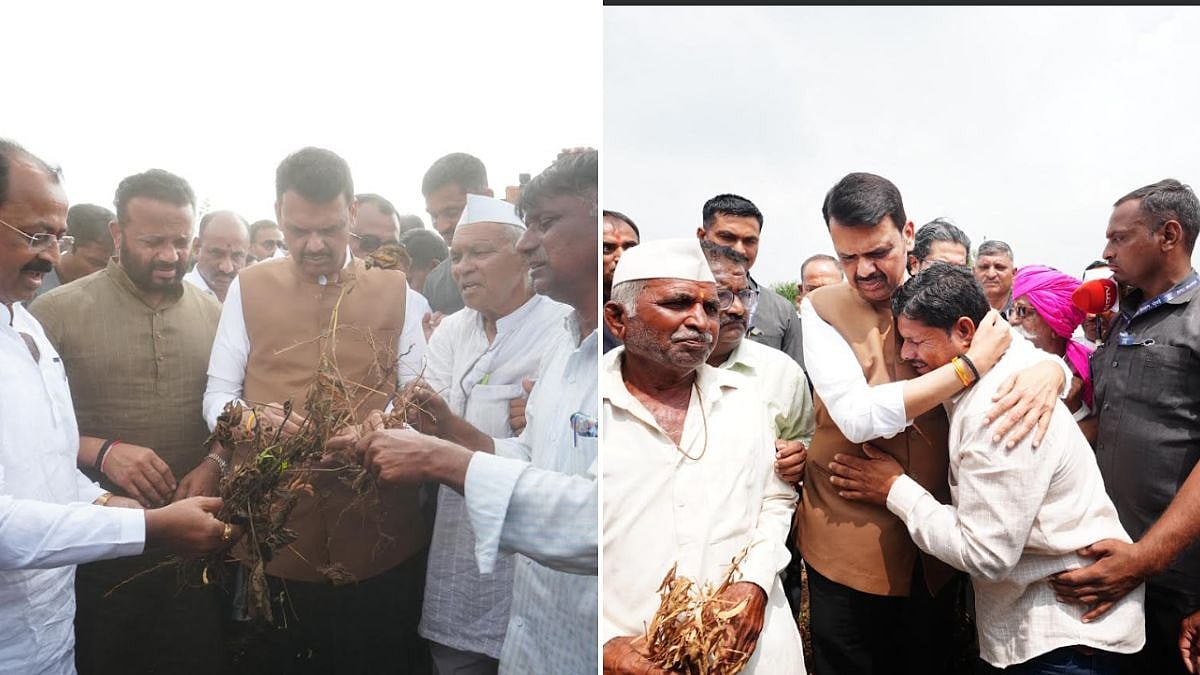
Fadnavis Calls Latur, Dharashiv Drought Crisis Extremely Serious

Maharashtra Plans Drive on Long-Term Out-of-State Vehicles
Monsoon Withdraws as Rainfall Deficits Hit 20 Maharashtra Districts
Mahayuti and MVA Struggle to Finalize Maharashtra Council Seat-Sharing

Rahul Gandhi Backs Maharashtra Students’ MPSC Satyagraha