2 hrs ago
What Research Says About Cycling and Male Fertility
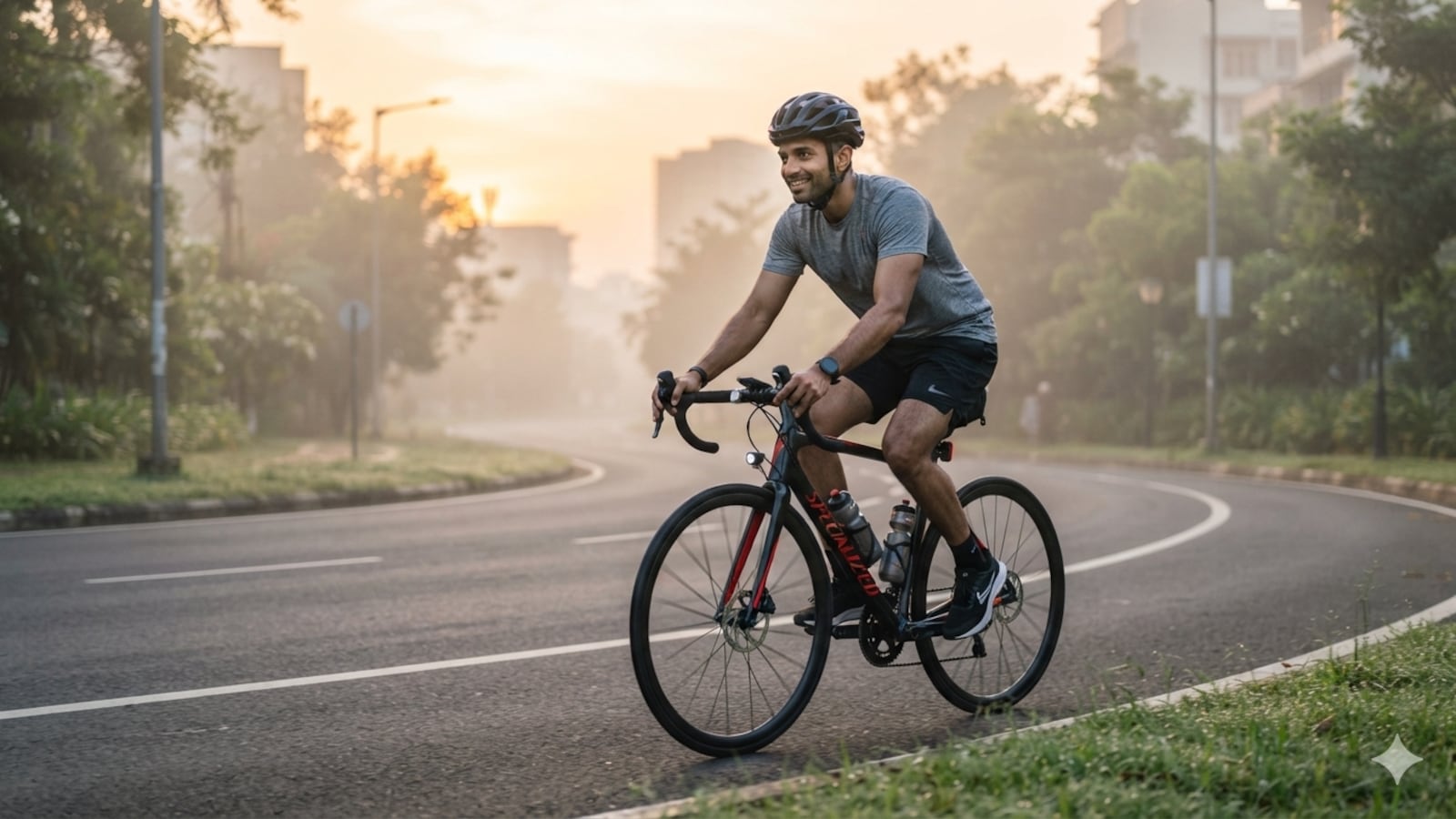
Cycling is good exercise, but very long or hard rides may affect sperm in some men.
The article says this concern mainly applies to people who cycle a lot.
Pressure and heat around the testicles may be part of the reason.
Some research described in the article found changes in sperm count and movement among high-volume cyclists.
The findings do not prove that cycling causes permanent infertility.
Making sperm takes about two and a half to three months, so changes may take time to appear.
Short, casual rides are generally not described as a problem.
Taking breaks and using a seat that reduces pressure may help.
The article recommends regular, moderate exercise rather than extreme training.

The article says frequent, intensive cycling may affect semen quality, but does not establish that cycling causes permanent infertility.
It cites a study linking cycling at least five hours a week with nearly twice the risk of low sperm concentration and low total motile sperm.
A second study reportedly found reduced sperm concentration, motility, and normal morphology among high-volume cyclists, with changes persisting after 30 days of recovery.
Possible factors include heat around the testicles, pressure on the perineum, reduced blood flow, and friction-related irritation.
The article recommends moderate exercise, breaks during long rides, and a well-fitting pressure-reducing seat; it says casual short rides generally need not be avoided.
- Who
- Men who cycle, particularly those who ride for long periods or at high intensity.
- What
- An article examines whether cycling may affect semen quality and male fertility.
- Where
- The article discusses pressure and heat around the perineum and testicles during cycling.
- When
- The article gives no publication date; it notes that sperm development takes about two and a half to three months.
- Why
- Prolonged pressure, heat, reduced blood flow, and friction may affect sperm quality.
Key facts
- Cycling threshold cited
- At least five hours per week was associated in one cited study with nearly twice the risk of low sperm concentration and low total motile sperm.
- Recovery period in cited study
- Semen changes among high-volume cyclists reportedly persisted after 30 days of recovery.
- Sperm development
- The article says sperm development takes about two and a half to three months.
- Casual cycling
- The expert quoted says 20 to 30 minutes a day for fun is generally considered low-impact.
- Exercise guidance
- The expert recommends around 150 to 180 minutes of moderate-intensity activity per week.
- Suggested precautions
- Take breaks, stand up during rides, and use a properly fitting seat that reduces pressure.
Quotes
Dr. Chirag Bhandari
Andrologist and male reproductive health specialist
“For fertility and overall sexual health, the focus should be on regular moderate-intensity physical activity rather than extreme training. Around 150-180 minutes of exercise per week can support overall health, which in turn benefits reproductive and sexual well-being.”
 NDTV
NDTV
“Cycling does not directly cause infertility, and men do not need to stop cycling to protect their fertility. However, long periods of cycling or cycling that is very intense for several hours each time on a normal seat might affect male reproductive health.”
NDTV
Sources
Related news

Anil Kapoor’s Cardio Routine Draws Expert Praise for Health Benefits

Ozempic’s Possible Effects on Men’s Sperm Quality Remain Unclear

Doctor Shares Seven Ways to Counter Prolonged Sitting Damage
Doctors urge balanced exercise to support healthier ageing

Daily Lifestyle Choices May Shape Fertility In Later Life
How Diabetes Can Affect Erectile Function in Men

Harleen Sethi Says Audience Love Helped Her Embrace Beauty

Rajpal Yadav Vows to Follow Supreme Court Directions

Ashoka Graduate Wins Chevening Scholarship on First Application
Expert Advice on Adapting Ayurveda to Modern Life