3 weeks ago
Youth Leaders Worldwide Drive Change on International Youth Day
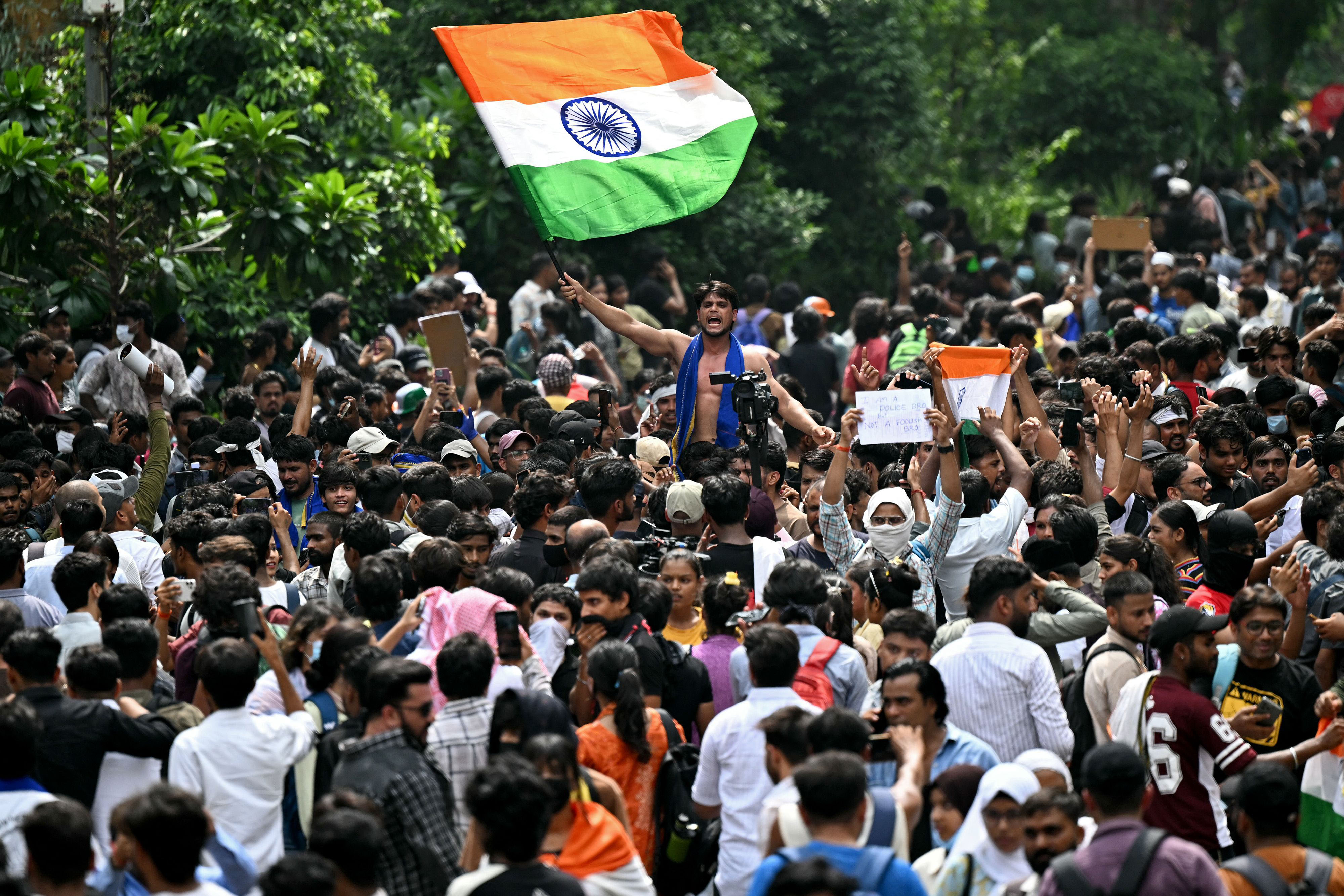
International Youth Day is a special holiday for young people all over the world.
It reminds us how powerful kids and teens can be.
The United Nations gave this year's celebration the theme 'Different Contexts, Common Aspirations.'
That means young people in different countries face different problems, but they share the same hopes and dreams.
There are about 1.2 billion young people in the world.
Many young people lead protests to demand fairness.
In India, Abhijeet Dipke organized huge protests about university exam problems.
In Bangladesh, students protested so strongly that the prime minister had to leave the country.
In the United States, students who survived a school shooting organized a giant march for safety.
From climate marches to fights for education, young people are showing that they can change the world.

International Youth Day celebrates 1.2 billion young people bound by shared aspirations under the UN theme 'Different Contexts, Common Aspirations.'
In Delhi and across India, activist Abhijeet Dipke led youth protests against NEET-UG entrance exam irregularities and paper leaks.
Bangladeshi student coordinators Nahid Islam and Asif Mahmud mobilized protests in 2024 that forced Prime Minister Sheikh Hasina to step down and flee the country.
Kenyan Gen Z protesters organized by Hanifa Adan pressured President William Ruto to reject the Anti-Finance Bill.
Young climate activists Licypriya Kangujam, Xiye Bastida, Vanessa Nakate, and Autumn Peltier campaign for environmental action and Indigenous rights.
- Who
- Young people and student activists worldwide, including Abhijeet Dipke, Malala Yousafzai, Joshua Wong, Nathan Law, Ala'a Salah, Nahid Islam, Hanifa Adan, Emma González, and Licypriya Kangujam
- What
- Youth-led movements and protests reshaping political, social, educational, and climate systems, celebrated on International Youth Day under the theme 'Different Contexts, Common Aspirations'
- Where
- Globally, including India, Pakistan, Hong Kong, Sudan, Bangladesh, Kenya, the United States, Uganda, Canada, and New York City
- When
- International Youth Day; the article cites youth movements spanning from 2014 (Hong Kong) through 2024 (Bangladesh and Kenya)
- Why
- Young people demand dignity, equal opportunity, education, climate action, and the fundamental right to speak out for their rights and a secure future
Youth Activists
Established Powers
Youth protests vs. authorities
Youth Activists
Youth-led movements demand fair policies, accountability, and justice, with leaders like Abhijeet Dipke, Joshua Wong, and Sudan's Ala'a Salah challenging systemic compromise and authoritarian control.
Established Powers
Established regimes resist these challenges, sometimes responding with exile and repression, as seen when Hong Kong activist Nathan Law was forced into exile.
Gun reform vs. gun lobbies
Youth Activists
Parkland shooting survivors Emma González and David Hogg led March for Our Lives, demanding strict legislative reforms for public safety.
Established Powers
Powerful gun lobbies oppose such reforms, which the activists say requires challenging these lobbies to achieve change.
Youth in war vs. peaceful progress
Youth Activists
Young people are catalysts of peaceful progress and innovation, the bedrock on which nations stand.
Established Powers
Nations engaged in reckless conflicts deploy young lives to fight their wars, harnessing youth power on 'darker stages.'
Key facts
- UN International Youth Day theme
- Different Contexts, Common Aspirations
- Global youth population
- 1.2 billion
- Youngest Nobel Peace Prize laureate
- Malala Yousafzai
- Youngest Hong Kong lawmaker
- Nathan Law, elected at age 23
- Bangladesh PM forced to flee (2024)
- Sheikh Hasina
- Kenya president who rejected bill
- William Ruto
- March for Our Lives origin
- Marjory Stoneman Douglas High School, Parkland, Florida (2018)
- Founder of Rise Up Movement
- Vanessa Nakate
Sources
Related news
Youth Protests Force Exam Cancellations and Political Concessions
Prakash Raj Says ‘Fascist Rule’ Nears End, Urges Youth

Jharkhand Youth Leader Demands Recruitment Reforms Beyond Political Dialogue
Gen Z protest after Pradhan exit draws praise and criticism
'Why glamourise street protests?': Kanwal Sibal warns against foreign exploitation
NEET Protests Reflect Deeper Youth Psychological Shifts