1 month ago
NEET Protests Reflect Deeper Youth Psychological Shifts
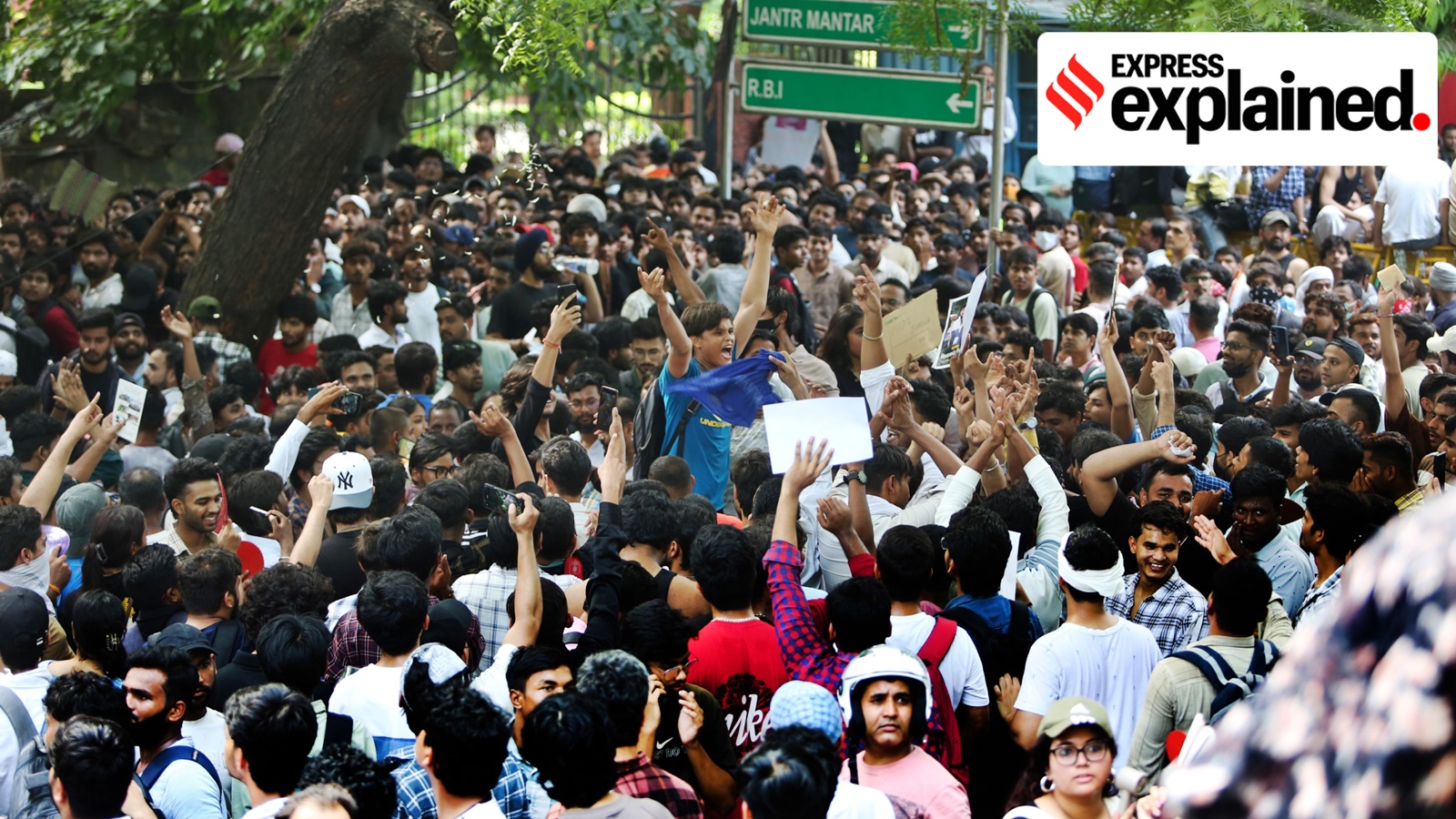
Lots of young people in India are protesting because they feel that their future is uncertain and that institutions are not listening to them.
These protests started because of a problem with the NEET exam, but they are about more than just that.
Young people are feeling anxious about things like climate change, jobs, and fairness.
When they see other people feeling the same way, they feel less alone and more powerful.
This makes them want to take action together.
Experts say that when young people feel like they can make a difference, they are more likely to join movements.
They also say that when institutions don't listen, young people feel like they have to protest to be heard.
In the future, young people might protest even more because of things like climate change and technology.

Thousands of students are protesting NEET exam paper leaks in India.
Protests reflect deeper anxieties about the future and institutional unresponsiveness.
Social movements provide a psychological sanctuary for youth, transforming personal anxieties into shared concerns.
Collective efficacy and empowerment drive sustained activism among young people.
The legitimacy of institutions is questioned when they are perceived as unresponsive to youth concerns.
- Who
- Young people, particularly students, in India.
- What
- Protests against the NEET exam paper leaks and broader institutional unresponsiveness.
- Where
- Primarily in New Delhi, India.
- When
- Recent days, with growing momentum.
- Why
- Due to a sense of injustice, collective efficacy, and the erosion of trust in institutions.
Youth Activism as Psychological Sanctuary
Institutional Responsiveness and Legitimacy
Psychological Sanctuary
Youth Activism as Psychological Sanctuary
Social movements provide a psychological sanctuary for youth, transforming personal anxieties into shared concerns and fostering a sense of belonging and agency.
Institutional Responsiveness and Legitimacy
Institutions must address the root causes of these anxieties to regain trust and legitimacy among young people.
Collective Efficacy
Youth Activism as Psychological Sanctuary
Participation in collective action generates feelings of empowerment and collective efficacy, making young people believe that their actions can bring about change.
Institutional Responsiveness and Legitimacy
Institutions need to respond to these collective actions to maintain their legitimacy and address the concerns of the youth.
Key facts
- NEET Exam
- National Eligibility cum Entrance Test for medical admissions in India.
- Fridays for Future
- A global climate strike movement led by youth.
- March for Our Lives
- A youth-led movement in the US following the Parkland school shooting.
- Greta Thunberg Effect
- The impact of visible youth activism on inspiring political participation.
- Collective Efficacy
- The belief that collective action can achieve change.
Sources
Related news

UK and Ukraine Open Battlefield AI Partnership Amid War

Trump Announces U.S. Space Academy Amid Rivalry With China

Trump to meet mining CEOs in critical minerals push

Trump administration promises $3 billion for critical minerals and batteries

Reliance, Rolls-Royce partner to develop indigenous AMCA combat engine
Youth Leaders Worldwide Drive Change on International Youth Day