

3 hrs ago
Norway Proposes Temporary Smart Glasses Restrictions Over Privacy Concerns
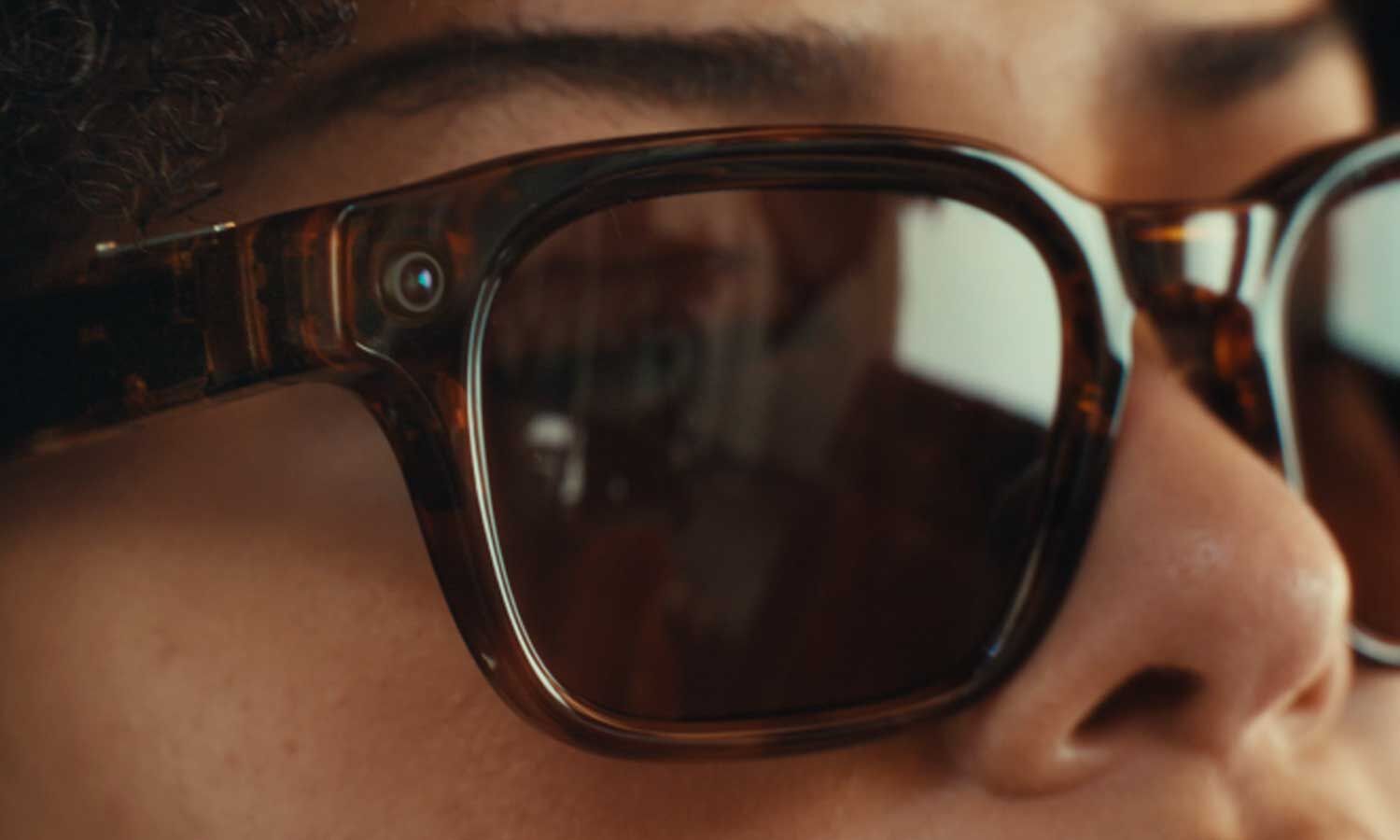
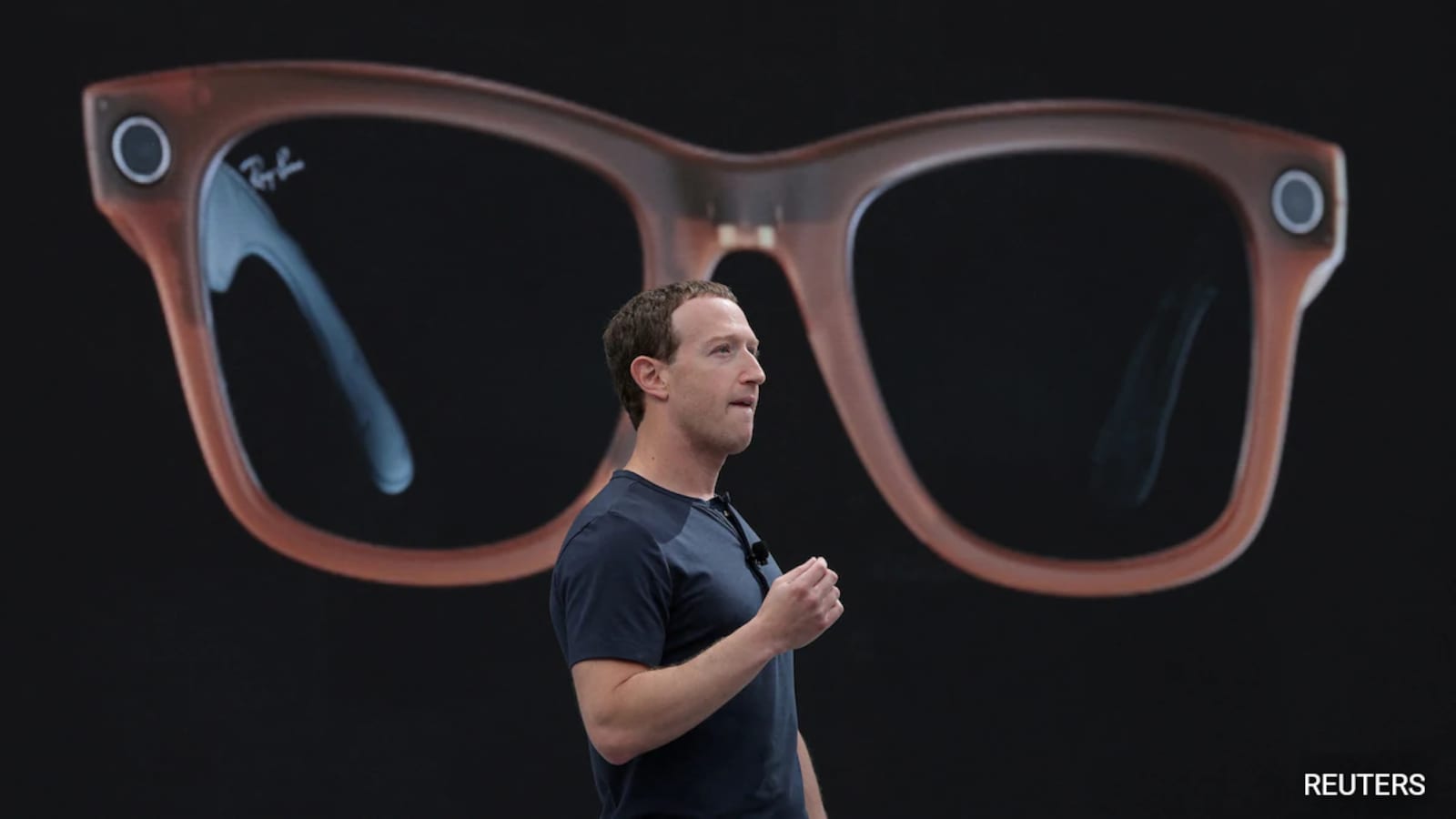
Norway is thinking about temporary rules for glasses that can take pictures, record sound, or use artificial intelligence.
These glasses can record people without them noticing.
The government may limit their use in places such as parks, gyms, schools, and doctors’ offices.
It is also considering places where children gather and public events.
Norway says it does not want to ban the glasses everywhere.
People could still use them privately when others are not at meaningful risk of being recorded without permission.
Some helpful uses for vulnerable groups might be allowed as exceptions.
The government has not decided exactly which devices or places the rules will cover.
It plans to send a bill to parliament and seek expert advice on longer-term rules.

Norway plans to ask parliament to approve temporary restrictions on smart glasses that can record images or sound.
Possible locations include parks, beaches, museums, shopping centres, public events, healthcare facilities and gyms with changing rooms.
Schools, kindergartens, playgrounds and youth clubs are also being considered for restrictions.
The government says it is not proposing a total ban and would allow private use where others face no meaningful risk of recording without consent.
Officials have not settled which devices or locations would be covered; an expert group is planned to advise on permanent rules.
- Who
- Norway’s government, including Digitalisation and Public Governance Minister Torgeir Micaelsen.
- What
- A proposed temporary ban or restrictions on some smart glasses and potentially other recording-capable wearable technology.
- Where
- Potentially in public gathering places and privacy-sensitive settings in Norway, including schools and healthcare facilities.
- When
- The government says it will bring a bill to parliament as soon as possible; no date is specified.
- Why
- To address the risk that people may be photographed, filmed or audio-recorded without their knowledge or consent.
Privacy protections
Permitted and beneficial uses
Recording in public and sensitive places
Privacy protections
The government is concerned that discreet glasses could record people without their knowledge, including in healthcare facilities, changing rooms, schools and public gathering places.
Permitted and beneficial uses
The government says it is not proposing a complete ban, and private use could remain allowed where others face no meaningful risk of recording without consent.
Scope and exceptions
Privacy protections
Officials are considering restrictions on glasses that capture images or sound and potentially other body-worn recording technology.
Permitted and beneficial uses
The technology and locations covered have not been decided, and the government is considering exceptions for vulnerable groups and socially beneficial uses.
Key facts
- Proposed measure
- Temporary restrictions, described in one article as a temporary ban in some places
- Potential public locations
- Parks, beaches, museums, shopping centres, concerts, sporting events and other public events
- Potential sensitive locations
- Healthcare facilities and gyms or fitness centres with changing rooms and showers
- Places where children gather
- Schools, kindergartens, playgrounds and youth clubs
- Technology covered
- Officials are considering camera- and audio-equipped glasses, AI glasses, and potentially other body-worn technology; the scope is undecided
- Permitted use
- The government says it is not proposing a total ban; private use may be allowed where others face no meaningful risk of recording without consent
- Possible exceptions
- The government is considering exceptions for vulnerable groups and socially beneficial uses
- Next steps
- Introduce a bill to parliament as soon as possible and establish an expert group to advise on permanent regulation
Quotes

Torgeir Micaelsen
Norway’s Minister of Digitalisation and Public Governance
“I am worried that new, powerful technology is being introduced where people risk being photographed, filmed or audio-recorded without knowing it”
 firstpost.com
Sources
Related news
Australia Considers Smart-Glasses Ban Over Privacy Concerns

Dutch Eyewear Chain Pauses Meta Glasses Sales Amid Privacy Concerns

France Probes Smart Glasses Misuse Amid Privacy and Harassment Concerns
Meta expected to unveil camera-free smart glasses amid privacy concerns
India's Smart Glasses Boom Raises New Privacy Threats

Meta Reportedly Prepares Camera-Free Luna Glasses Amid Privacy Scrutiny

Norway Parliament Probes Epstein Links to Elite Officials
Norway Prepares Low-Key Royal Transition After King Harald’s Death
