2 weeks ago
Arthritis, Osteoporosis or Ageing? How to Tell What Symptoms Mean

As people get older, their bodies change, and sometimes their knees or back start to hurt.
Some people think this just happens because of age, but that is not always true.
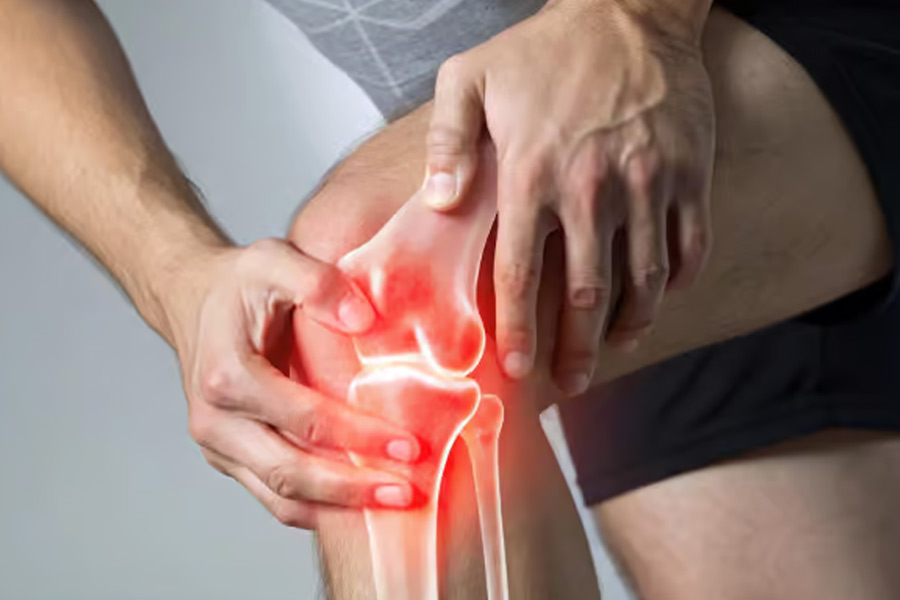
Arthritis is a sickness that makes joints, like knees and fingers, hurt, swell, or feel stiff.
There are different kinds of arthritis; one kind happens when the body's own defense system attacks the joints.
Another problem, called osteoporosis, makes bones weak, so they can break very easily.
People with osteoporosis often do not feel anything wrong until a bone breaks after a small fall.
Doctors can check for these problems with special tests, including a quick scan that measures how strong bones are.
Staying active, eating foods with calcium and vitamin D, and not smoking can help keep bones and joints healthy.
If pain lasts a long time or makes everyday tasks hard, it is a good idea to see a doctor.

Arthritis covers more than 100 joint conditions, with osteoarthritis and rheumatoid arthritis among the most common forms.
Osteoporosis is a 'silent' disease that weakens bones and may only be noticed after a minor fall causes a fracture.
Normal ageing brings mild stiffness and slower recovery, but persistent pain, swelling, or loss of mobility should not be dismissed as 'just age.'
Osteoporosis is diagnosed with a DXA/DEXA scan measuring bone mineral density, while arthritis is checked through medical history, physical examination, X-rays, and blood tests.
The WHO recommends at least 150 minutes of moderate-intensity physical activity a week, plus muscle-strengthening activities, to protect bone and joint health.
- Who
- General readers and older adults experiencing joint pain, stiffness, or fractures; guidance provided by orthopaedics expert Dr Pushkar Chawla of ShardaCare-Healthcity.
- What
- A health guide explaining how to distinguish normal ageing from arthritis and osteoporosis, covering symptoms, diagnosis, and prevention.
- Where
- Not location-specific; guidance refers to global health bodies such as the WHO and CDC, and to US screening recommendations from the USPSTF.
- When
- Not specified in the article.
- Why
- To help people recognize when persistent or worsening symptoms may be treatable conditions rather than normal ageing, and to encourage timely medical evaluation.
Key facts
- Conditions covered by 'arthritis'
- More than 100
- Most common arthritis forms
- Osteoarthritis and rheumatoid arthritis
- Arthritis diagnosis (CDC)
- Physical examination, X-rays and laboratory tests when needed
- Osteoporosis diagnostic test
- DXA/DEXA scan
- WHO physical activity recommendation
- At least 150 minutes of moderate-intensity activity per week
- USPSTF screening recommendation
- Women aged 65 and older and younger postmenopausal women at increased risk
- Osteoporosis risk factors
- Age, menopause, low physical activity, smoking, heavy alcohol, corticosteroids, low calcium intake
Quotes
Dr Pushkar Chawla
Director and Unit Head, Orthopaedics, ShardaCare-Healthcity
“"early recognition and appropriate management can help people protect mobility"”
 NDTV
NDTV
Sources
Related news
Bipasha Basu On Osteoarthritis Diagnosis And Weight Training Benefits

Bipasha Basu Told She May Never Dance Again Over Osteoarthritis
Ageing Well: Practical Ways to Stay Healthy Longer
Saina Nehwal Opens Up About Arthritis Ending Her Badminton Career