3 weeks ago
Doctors warn slight falls can cause hip fractures in elderly
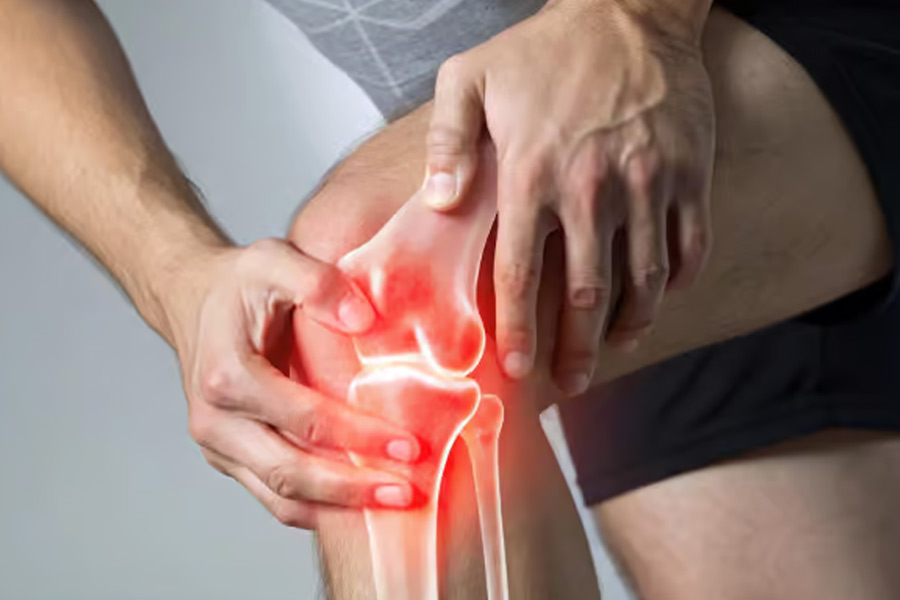
When people get older, their bones can become weak and break more easily.
Doctors call this bone weakness osteoporosis because the bones lose density.
Because the bones are weak, even a small fall can break a bone.
A broken hip is a very serious injury for older people.
Doctors say there are two types of hip fractures, one inside the joint and one outside.
Both types need quick medical help, or they can be dangerous.
Depending on where the break is, doctors may replace the hip joint or repair the bone.
After surgery, patients are encouraged to start walking as soon as possible, which helps them recover.
With the right care, a new joint can last 20 to 25 years, and patients can return to a normal and active life.

Age-related bone density loss, known as osteoporosis, makes elderly bones fragile so even a slight fall can cause hip fractures.
Hip fractures in elderly patients are mainly of two types, one inside the hip joint and one outside, and both can become life-threatening without timely treatment.
Treatment depends on the fracture location: hip replacement surgery is recommended for injuries below the ball of the hip joint, while fractures slightly away from the joint are repaired surgically.
Doctors emphasise early mobilisation after surgery for better recovery, though patients with extremely low bone density should follow medical advice before moving.
A replaced joint can function well for 20 to 25 years, and Manipal Hospital, Salt Lake's laminar airflow operation theatres keep infection risk below 0.01 per cent.
- Who
- Dr Arindam Ganguly, Dr Saumitra Misra and Dr Rajiv Chatterjee, senior orthopaedic surgeons at Manipal Hospital, Salt Lake
- What
- Doctors raised awareness about osteoporosis, hip fractures in the elderly, and treatment options including hip replacement surgery
- Where
- Manipal Hospital, Salt Lake
- When
- In a recent discussion with anandabazar.com; no specific date was given in the article
- Why
- Because ageing and bone density loss mean even a slight fall can cause life-threatening fractures, and timely treatment is essential
Key facts
- Condition
- Osteoporosis (loss of bone density)
- Fracture Types
- Inside the hip joint and outside the hip joint
- Treatment Options
- Hip replacement surgery or surgical bone repair, depending on fracture location
- Expected Implant Life
- 20 to 25 years
- Infection Risk at Manipal Hospital, Salt Lake
- Below 0.01 per cent due to continuous laminar airflow systems
- Success Factors for Joint Replacement
- Right instruments, appropriate implant, correct placement, well-equipped operation theatre (about 99 per cent)
- Post-Operative Care
- Early mobilisation, physiotherapy, timely follow-ups with the doctor
Quotes
Dr Rajiv Chatterjee
Senior Consultant – Orthopaedics Surgeon at Manipal Hospital, Salt Lake
“Nearly 99 per cent of the success of a joint replacement surgery depends on the use of the right instruments, the appropriate implant and its correct placement, along with a well‑equipped operation theatre and proper set‑up.”
 telegraphindia.com
“If timely and appropriate treatment is not initiated, both types of fractures can prove life‑threatening.”
telegraphindia.com
Sources
Related news
Ruskin Bond, 92, Reveals Spinal Surgery After Losing Leg Use

Raising awareness on avascular necrosis: early detection saves hip

Robotic Joint Replacement Gains Momentum Across India

SRV Hospitals Launches Robotic-Assisted Joint Replacement Centre In Chembur

Bipasha Basu Told She May Never Dance Again Over Osteoarthritis
Indian Courts and Officials Face Detention, Speech Controversies

Calcutta High Court Denies Urgent Relief to Newspaper Journalists

Press Bodies Challenge FIR Over Anandabazar Patrika Remark

Press Bodies Challenge FIR Over ABP's 'Gerua Gundami' Report
Saffron-Clad Men Paint Anandabazar Patrika Office Pillars