

2 weeks ago
Persistent Shoulder Pain May Signal Injury, Doctor Warns

Shoulder pain is not always just normal soreness from exercise or sports.
If the pain continues, makes movement difficult, or wakes you at night, it should be checked by a doctor.
People with diabetes or a previous shoulder injury may need to seek help quickly.
Pain medicine may provide temporary relief without fixing the cause.
An MRI can give doctors a detailed view of the shoulder joint.
It may show problems such as a labral tear or a muscle tear.
Waiting too long to get help can delay treatment and recovery.
Young athletes should train under proper supervision.
They should also report small injuries early so they can recover better.

Shoulder pain that persists, disrupts sleep, or limits daily activities warrants medical evaluation.
Night-time pain, restricted movement, diabetes, or a previous injury may require prompt orthopaedic assessment.
Dr R. A. Purnachandra Tejaswi says MRI can help identify the exact cause of shoulder pain.
Persistent pain may reflect injuries such as labral tears or partial and complete muscle tears.
Young athletes are advised to train correctly under supervision and address injuries early.
- Who
- Jr NTR is referenced because his shoulder surgery brought attention to the issue; Dr R. A. Purnachandra Tejaswi provides the medical guidance.
- What
- The article warns that persistent shoulder pain may indicate an injury and discusses evaluation, MRI scans, treatment, and prevention.
- Where
- Dr Tejaswi is identified with KIMS Hospitals; the article does not specify where the shoulder surgery occurred.
- When
- Why
- Persistent pain, especially at night or with restricted movement, may signal a shoulder problem that requires timely diagnosis and treatment.
Key facts
- Medical expert
- Dr R. A. Purnachandra Tejaswi, director and head of sports orthopaedics, arthroscopy and shoulder service at KIMS Hospitals.
- Warning symptoms
- Persistent pain, night-time pain, difficulty sleeping, and restricted shoulder movement.
- Higher-risk factors
- Diabetes, a history of injury, and pain not relieved by medication.
- Recommended investigation
- An MRI can provide a detailed view of the shoulder joint and help identify the cause of pain.
- Possible injuries
- Labral tears and partial or complete muscle tears.
- Athlete guidance
- Train under proper supervision and do not neglect minor training or playing injuries.
Quotes
Dr R. A. Purnachandra Tejaswi
Director and head of sports orthopaedics, arthroscopy & shoulder service at KIMS Hospitals
“Any injury to the shoulder that disables a person from doing daily activities, causes persistent pain or makes it difficult to sleep at night warrants a thorough investigation.”
 deccanchronicle.com
Sources
Related news

Jr NTR Undergoes Arthroscopic Shoulder Surgery at KIMS Hospitals

Jr NTR Undergoes Successful Shoulder Surgery, Recovery In 2-3 Months

Jr NTR discharged after shoulder surgery at KIMS Hospitals
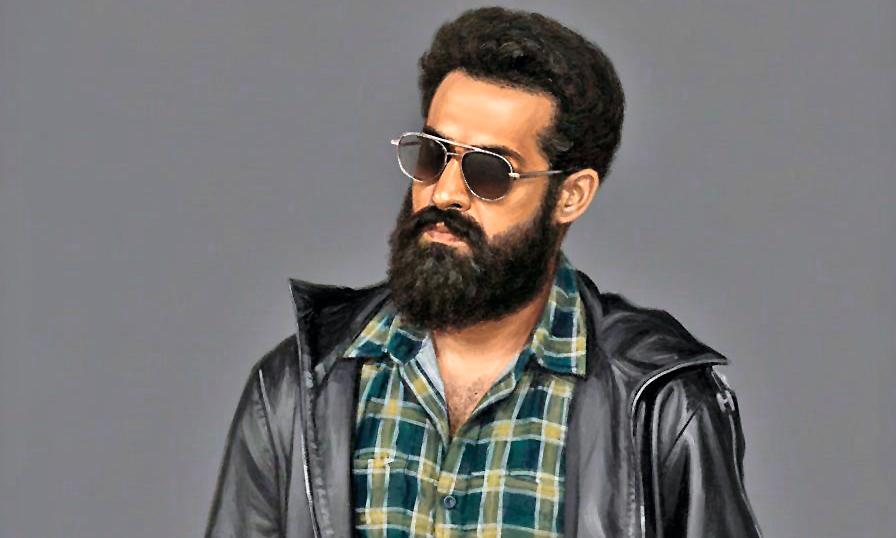
Jr NTR Discharged from Hospital After Successful Shoulder Surgery

Jr NTR Undergoes Successful Arthroscopic Shoulder Surgery, Full Recovery Expected

Saina Nehwal Opens Up About Arthritis Ending Her Badminton Career
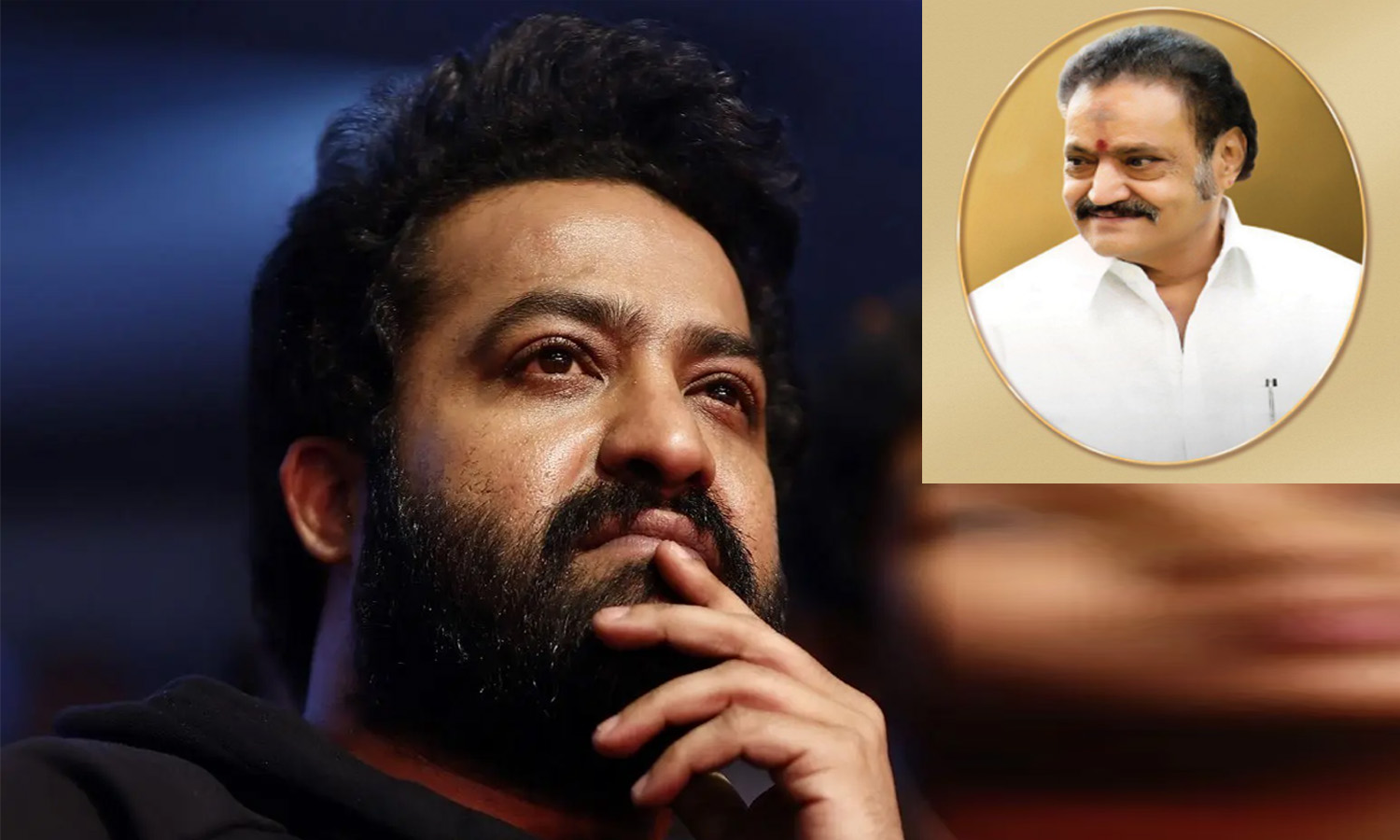
Jr NTR and Kalyan Ram Remember Harikrishna’s Legacy

Paritala Sunitha Distributes 50 Pushcarts to Small Vendors
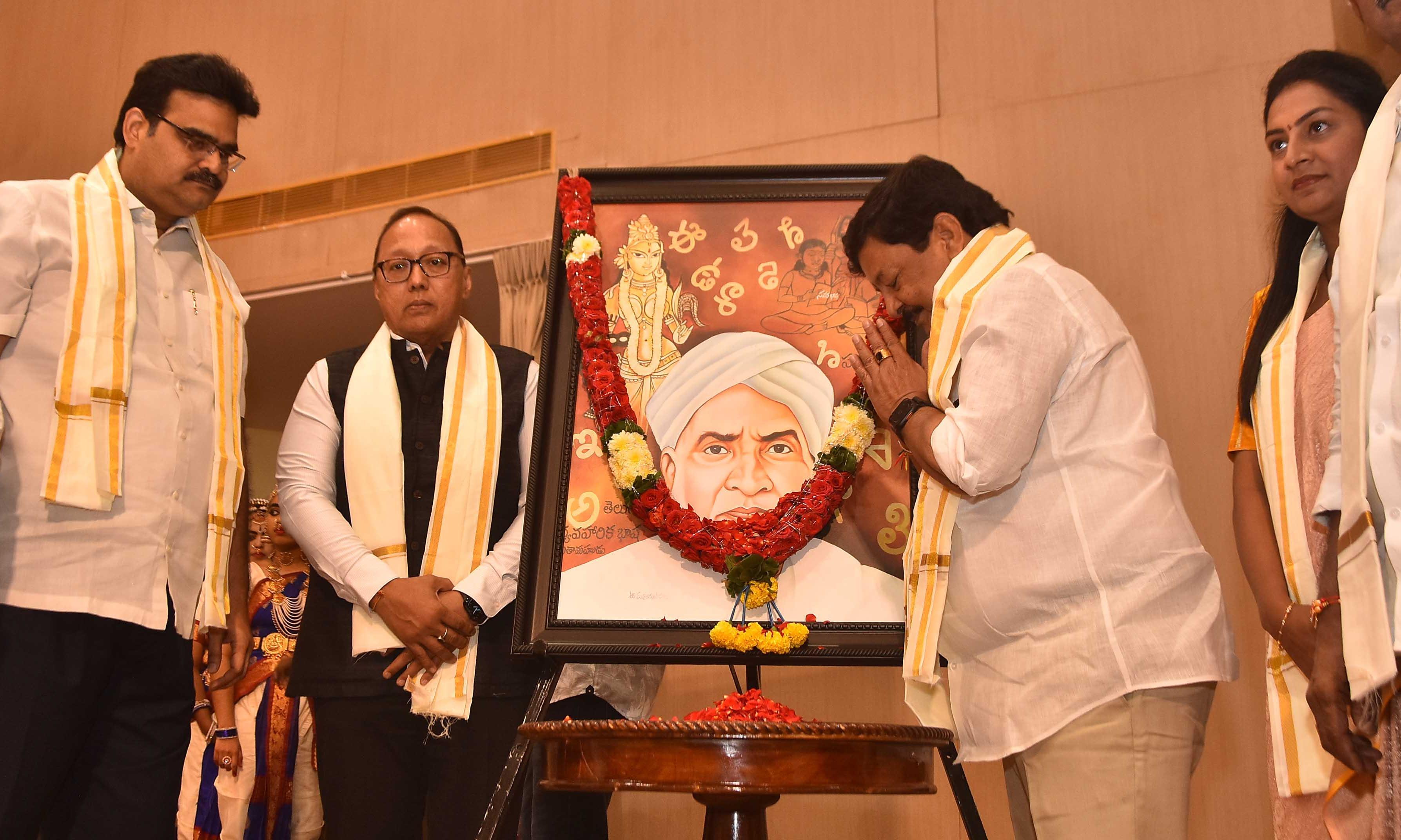
Andhra Pradesh Plans Nandi Theatre Festival, Telugu Promotion

Producer Urges Rukmini Vasanth to Choose Telugu Roles Carefully
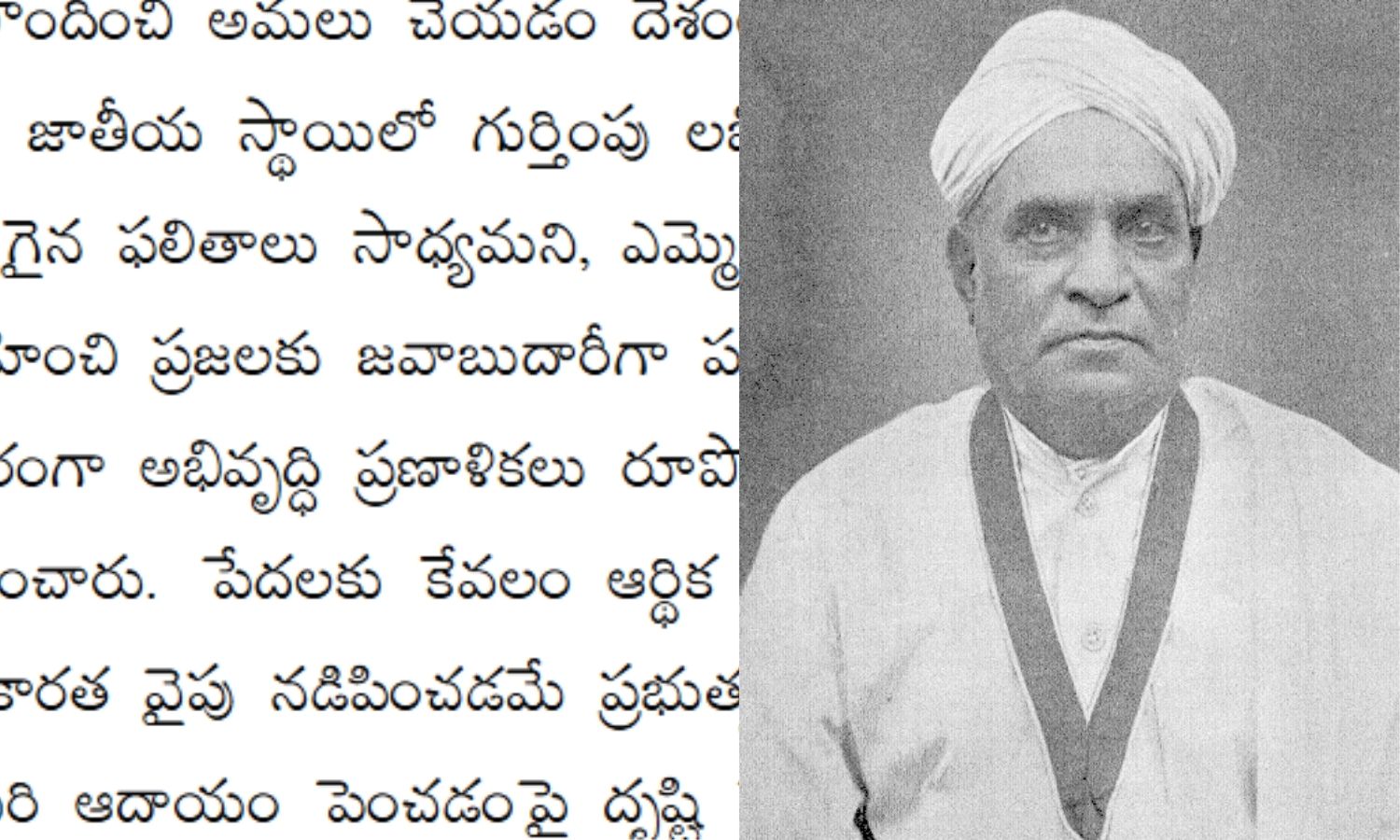
Telugu Language Day Honors Gidugu’s Push for Simple Telugu
