1 week ago
Supreme Court Examines Sports as Children’s Fundamental Right
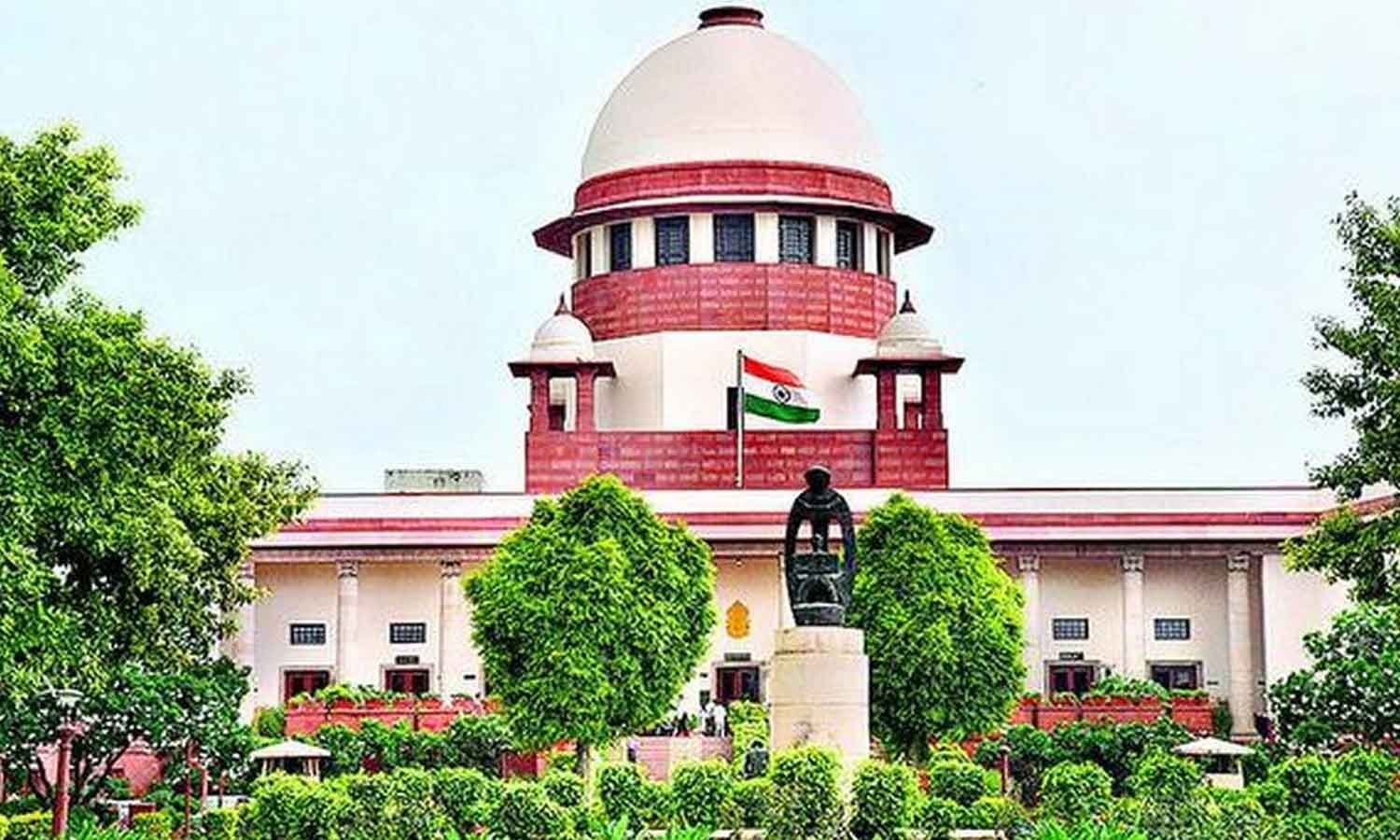
India’s Supreme Court is discussing whether every child should have a right to play sports.
The petition says sports should be part of children’s education and development.
The Court said children are spending more time with digital devices and less time on playgrounds.
The petitioner says sports are broader than simply learning physical skills.
He says sports can help children’s health, confidence, teamwork, and social development.
Suggestions include making sports education compulsory in schools.
One proposal would give children 90 minutes for physical activity each school day.
The government has not yet fully responded, and the Court will continue the case on September 22.

The Supreme Court is hearing a PIL seeking recognition of the Right to Sports under Article 21A.
Petitioner Kanishka Pandey objects to replacing the broader concept of sports with “physical literacy.”
The Court said digital-device use is taking children away from playgrounds and called sports essential.
Proposals include compulsory sports education, 90 minutes of daily physical activity, and improved access for children with disabilities.
The Centre has not yet responded to the recommendations; the case will be heard again on September 22.
- Who
- A Supreme Court Bench of Justice Vikram Nath and Justice Sandeep Mehta is hearing a PIL filed by Dr Kanishka Pandey against the Union of India and others, with assistance from amicus curiae Gopal Sankaranarayanan.
- What
- The Court is considering whether access to sports should be recognized as a fundamental right under Article 21A and whether sports education and physical activity should be included in school curricula.
- Where
- The matter is being heard in the Supreme Court of India.
- When
- The PIL was originally filed in 2017; an amicus report was submitted in 2022, and the next hearing is scheduled for September 22.
- Why
- The petition argues that sports are central to children’s physical, mental, educational, and social development, while the Court highlighted the growing effect of digital devices on children’s participation in outdoor activity.
Broader Right to Sports
Physical Literacy Framework
Scope of the constitutional proposal
Broader Right to Sports
Petitioner Kanishka Pandey argues that the PIL concerns a broad Right to Sports encompassing education, health, personal development, inclusion, community building, and social cohesion.
Physical Literacy Framework
The amicus report, according to the petitioner, focuses on “physical literacy,” which he says is narrower and cannot substitute for the broader concept of sports.
Purpose of sports
Broader Right to Sports
The petitioner says sports should not be judged mainly by elite performance, medals, competition, or producing champions; access to participation should be available beyond privileged groups.
Physical Literacy Framework
The reported recommendations emphasize sporting activity, sports education, and sporting culture through possible obligations for the State, schools, and education boards.
Role in schools
Broader Right to Sports
The petition seeks to place sports alongside education as an essential part of children’s development rather than treating it as merely extracurricular.
Physical Literacy Framework
The Centre has not yet responded to the recommendations, although its law officer agreed that school playgrounds and sports facilities are required.
Key facts
- Case
- Kanishka Pandey vs Union of India & Ors.
- Constitutional provision
- Article 21A, concerning free and compulsory education for children aged six to 14.
- Original filing
- The PIL was filed in 2017 by third-year law student Kanishka Pandey.
- Petitioner’s objection
- Pandey says sports, physical education, and physical literacy are distinct concepts and that physical literacy should not replace the broader Right to Sports.
- Physical-activity proposal
- School boards including CBSE and ICSE were urged to allocate 90 minutes of school time to physical activity.
- Inclusion proposal
- The recommendations call for better access to sports facilities for children with disabilities.
- Case status
- The Centre has not yet responded to the recommendations; the Court directed that the 2022 report be shared with lawyers and listed the matter for September 22.
Quotes

Supreme Court of India
Bench of Justices Vikram Nath and Sandeep Mehta hearing the PIL
““At a time when children are increasingly moving away from playgrounds and towards screens, recognising access to sport assumes even greater importance. The Right to Sports is ultimately about ensuring that the opportunity to play does not become a privilege available only to a few.””
 thehansindia.com
““The purpose of this PIL has never been limited to producing champions or winning medals. Sport is much larger than competitive excellence. It shapes individuals, strengthens communities and contributes to physical, mental and social development.””
thehansindia.com
Sources

Related news

Modi Urges India’s Youth to Choose Playgrounds Over Screens
CISCE to Grade Health and Physical Education From 2028
Supreme Court Refuses PIL Seeking Mandatory Biometric School Attendance
CM Vijay Urges Youth to Make Sports a Daily Routine

Supreme Court Urges Parents to Talk, Limit Extra Classes
CBSE Cluster Athletics Meet Promotes Sports Alongside Schooling

Allahabad HC Denies RTE Exemption to CBSE, CISCE Schools
Allahabad High Court Seeks Five-Year RTE Data in Uttar Pradesh
Collective backs Ahmedabad school dropping Malala, Anne Frank books