1 hr ago
Why the Lowest Price Can Cost You More

The cheapest item is not always the one that saves you the most money.
It might break quickly or need repairs, so you have to spend more later.
A better-made item may cost more at first but last longer.
Still, expensive things are not always better, and sometimes a simple, cheap item is all you need.
Think about how often you will use something and what it is for.
Also remember to count repairs and other extra costs.
A sale is not a good deal if you did not really want the item.
Sometimes the best choice is to spend more, sometimes less, and sometimes not buy anything.

A low purchase price can lead to higher costs if a product wears out quickly or needs repairs.
Value for money depends on quality, durability, usefulness and how often an item is used.
Paying more can make sense for frequently used essentials, but a premium price does not always mean better quality.
Inexpensive products can be good choices for temporary needs or interests someone may not continue.
Before buying, consider hidden costs and ask whether you would still want the item without a discount.
- Who
- Shoppers deciding whether to buy low-priced or higher-priced products; the article includes comments from Radha Rathod, Brijesh and Bhavika Sanjgiri.
- What
- An article explaining how to judge purchases by overall value rather than by the lowest price alone.
- Where
- The article uses prices in rupees and includes comments from people in India.
- When
- No publication date is provided.
- Why
- To help shoppers weigh durability, usefulness, maintenance and hidden costs when deciding what is worth buying.
Key facts
- Main idea
- A low price does not necessarily mean a purchase will cost less over time.
- Value factors
- Quality, durability, usefulness and frequency of use.
- Hidden costs
- Repairs, maintenance, accessories and having to replace an item.
- Mixer-grinder example
- Radha Rathod says her ₹2,000 mixer-grinder's motor overheated and its coil was replaced twice in seven months; she estimates she had effectively paid ₹4,000.
- Alternative mixer
- Rathod says a ₹5,000 mixer with a one-year motor guarantee might have been a better choice for her work.
- Cost-per-wear example
- The article compares ₹300 jeans lasting three washes with ₹3,000 jeans lasting 100 washes, estimating ₹100 versus ₹30 per wear.
Quotes
Bhavika Sanjgiri
A counsellor quoted on pausing before shopping.
“I have a fettish for phone covers and laptop bags. And I like to go with the trending design. Therefore, I never go too expensive stuff.”
 freepressjournal.in
“I fell for the price game and bought a mixer-grinder for 2000 a few months ago against the wishes of my husband.”
freepressjournal.in
Sources
Related news

Young Kolkatans Reject Apple’s Rs 3-Lakh iPhone Duo

iPhone 18 Duo Price Sparks Debate Over Value

The Five Hidden Financial Costs of Looking Rich

Personal Loans or Buy Now, Pay Later: What Bangalore Consumers Should Consider
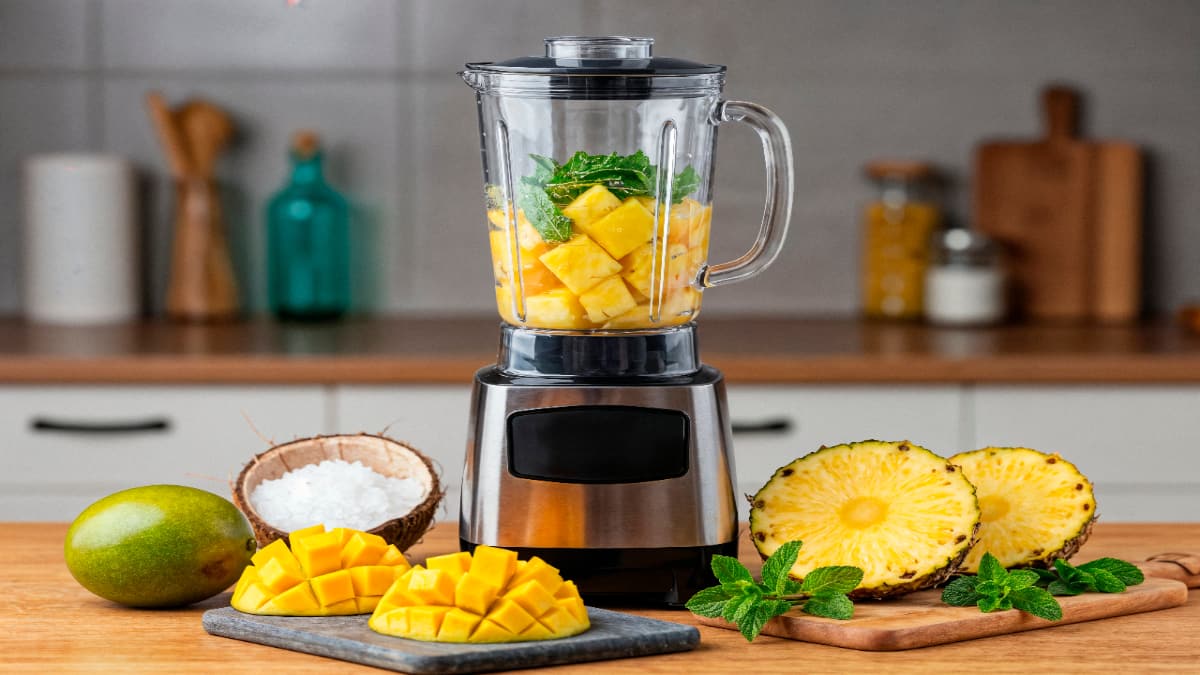
Budget Mixer Grinders Under ₹2,000: Compare Features Before Buying