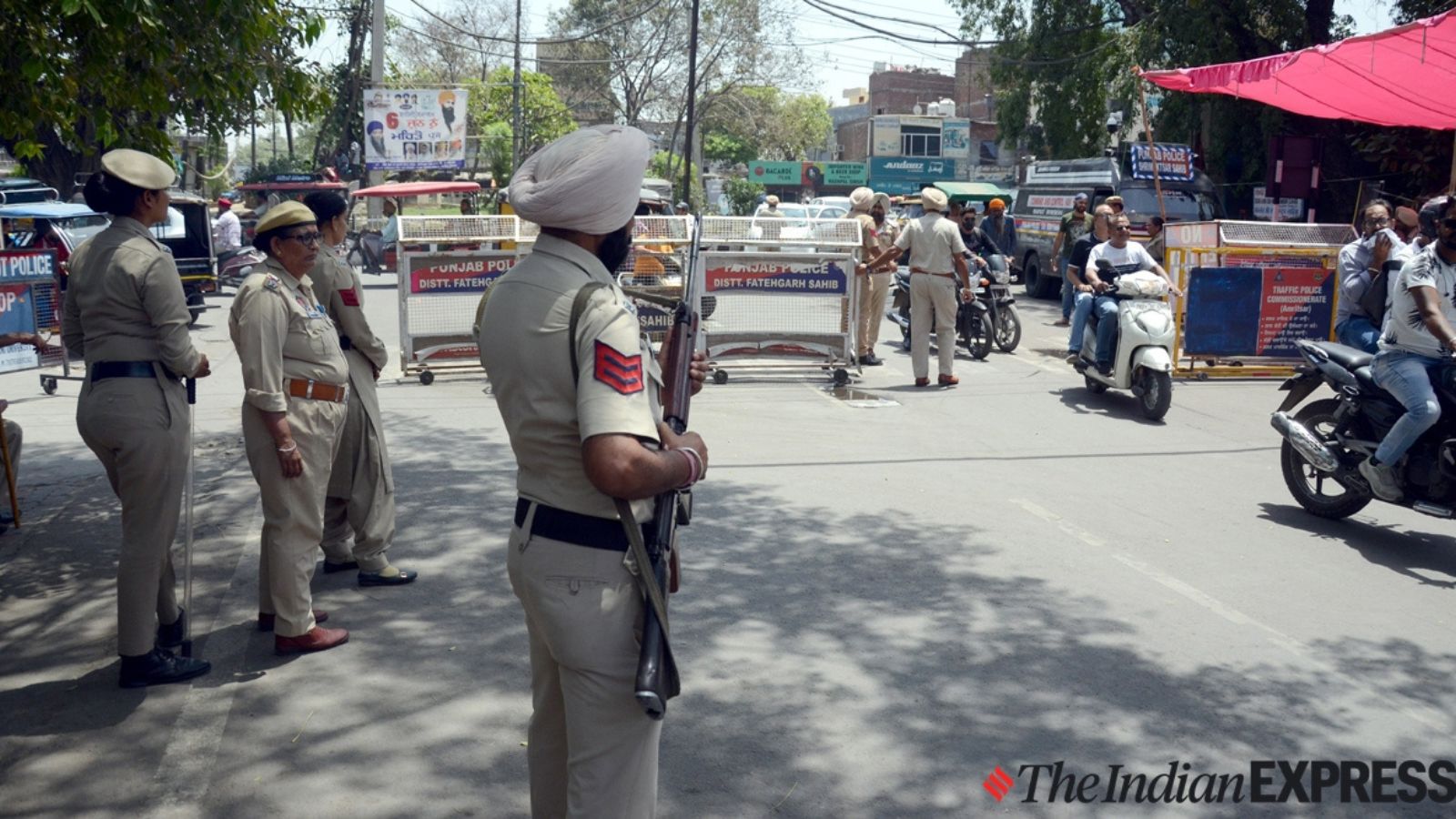
50 mins ago
Punjab Groundwater Shows Modest Improvement, But Deep Levels Worsen
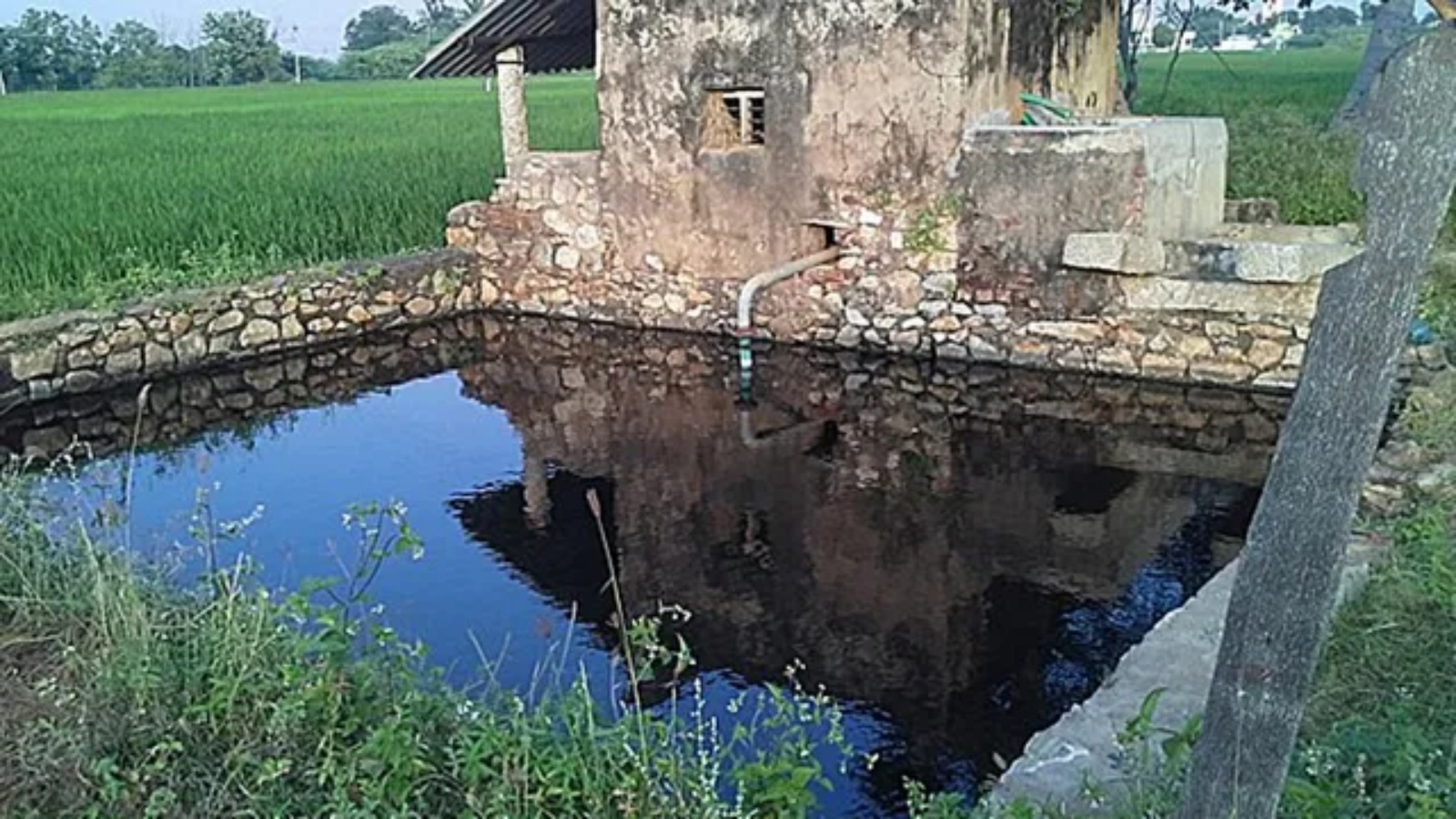
Punjab uses a lot of groundwater for farming.
Fewer areas were officially classified as over-exploited in the latest assessments.
However, this does not mean that groundwater has recovered everywhere.
In 2025, 24 of 267 monitored wells had water more than 40 metres below the ground.
This was the highest share recorded during the 2022–2025 period.
The number of over-exploited areas and the depth of water at individual wells measure different things.
Flooding and waterlogged fields may have reduced the need for some farmers to pump groundwater in 2025.
Experts say Punjab’s groundwater problem is still serious, especially in places such as Sangrur.

Punjab’s over-exploited groundwater units fell from 117 in 2022 to 111 in the 2025 Central Ground Water Board assessment and 110 in the state’s 2026 assessment.
The state’s annual groundwater extraction remained above its annual extractable resource, reaching 156.36% in the 2025 assessment.
The share of monitored wells with groundwater 20 metres or deeper declined to 32.2% in 2025, from 34.5% in 2022.
Wells with groundwater more than 40 metres below ground level rose to 9% in 2025, or 24 of 267 monitored wells.
Experts said the figures indicate modest improvement in extraction balance, but not recovery across Punjab, with Sangrur among the most critically depleted districts.
- Who
- The Punjab government, the Central Ground Water Board, Punjab Agricultural University experts, and Punjab water-resources officials.
- What
- Assessments show fewer over-exploited groundwater units but a higher share of monitored wells with very deep groundwater levels.
- Where
- Punjab, including monitored districts such as Sangrur, Patiala, Barnala, and Moga.
- When
- The comparison covers post-monsoon groundwater data from 2022 through 2025; the state’s latest assessment is identified as 2026.
- Why
- The two indicators measure different conditions: groundwater extraction compared with available resources, and water depth at individual observation wells. Flooding and waterlogging may also have reduced groundwater pumping in some areas during 2025.
Indicators Suggest Improvement
Deep Levels Show Continuing Stress
Meaning of fewer over-exploited units
Indicators Suggest Improvement
The decline in over-exploited units suggests a modest improvement in Punjab’s overall groundwater-extraction balance.
Deep Levels Show Continuing Stress
Punjab Agricultural University experts said the lower count should not be interpreted as groundwater recovery across the state.
Interpretation of 2025 data
Indicators Suggest Improvement
The share of wells at or below the 20-metre groundwater-depth threshold declined to 32.2% in 2025, and extraction indicators improved compared with earlier assessments.
Deep Levels Show Continuing Stress
The share of wells deeper than 40 metres rose to 9%, the highest level in the 2022–2025 period, showing that some monitored locations have become more depleted.
Possible reason for lower extraction
Indicators Suggest Improvement
Flooding and waterlogging in 2025 may have reduced irrigation demand and groundwater pumping in affected areas.
Deep Levels Show Continuing Stress
The rise in very deep groundwater levels during the same period means lower extraction cannot by itself be treated as evidence that the groundwater crisis has disappeared.
Key facts
- Assessment units
- Punjab has 153 groundwater assessment units.
- Over-exploited units
- The count fell from 117 in 2022 to 111 in the 2025 Central Ground Water Board assessment and 110 in the state’s 2026 assessment.
- 2025 recharge
- Annual groundwater recharge was estimated at 18.60 billion cubic metres.
- 2025 extractable resource
- Annual extractable groundwater resources were estimated at 16.80 billion cubic metres.
- 2025 extraction
- Annual groundwater extraction was estimated at 26.27 billion cubic metres, or 156.36% of the extractable resource.
- Deepest monitored wells
- In 2025, 24 of 267 observation wells, or 9%, had groundwater more than 40 metres below ground level.
- State 2026 assessment
- The state estimated extraction at 26.32 billion cubic metres against 17.29 billion cubic metres of annual extractable resources, producing an extraction stage of 152.22%.
Quotes
Central Ground Water Board sources
Sources familiar with the Central Ground Water Board’s groundwater assessment
“The message, therefore, is not that Punjab’s groundwater crisis has disappeared. Nor does the 9 per cent figure mean the entire state is facing water levels below 40 metres. It means that some of the deepest groundwater levels recorded by the monitoring network are becoming more prominent even as the broader extraction indicators show modest improvement.”
 indianexpress.com
“If only the 20-metre threshold and total number of over-exploited blocks are considered, the situation appears to have improved after 2023. But if the deepest category is examined, the picture is more worrying. That is why the latest data cannot simply be described as either an improvement or deterioration.”
indianexpress.com
Sources
Related news

Chhattisgarh Clears Critical Groundwater Blocks, Targets Security by 2030
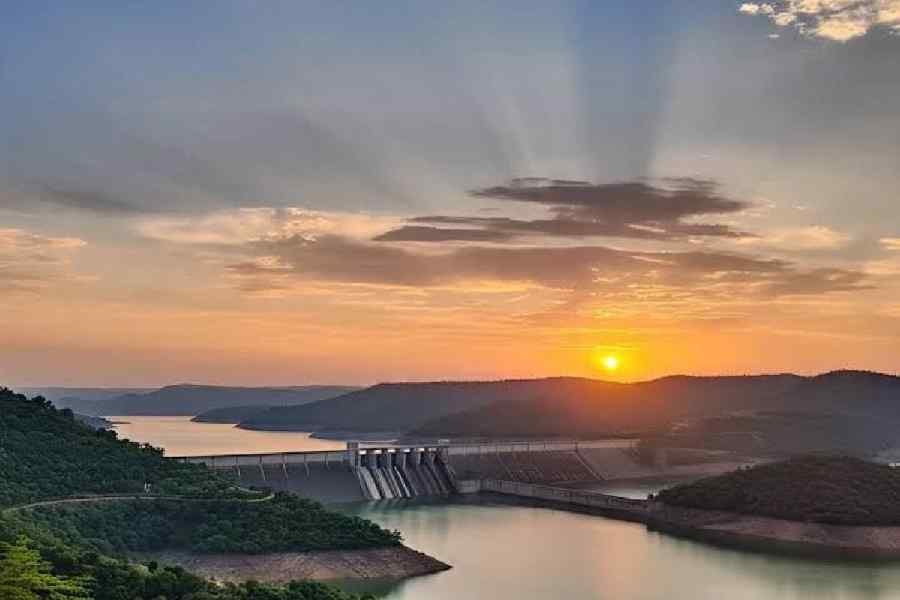
Punjab govt seeks flexible dam operations amid flood risk

Groundwater Depletion Worries Andhra Pradesh; 8,503 Villages Hit

India Urged to Modernize Environmental Data and Conservation Monitoring

CAQM Shifts Focus From Stubble Fire Counts to Intensity

SYL Canal Deadlock Pits Punjab Water Fears Against Haryana Claims

J&K Police Arrest Man With Heroin-Like Substance in Kulgam

Moga Woman Builds Rs 80 Lakh Enterprise on Leased Land

Star Health Ordered to Reimburse Dengue Claim in Moga

Punjab's Anti-Drug Campaign Empowers Women in Recovery