4 hrs ago
Bangladesh Tribunal Sentences Seven Awami League Leaders to Death
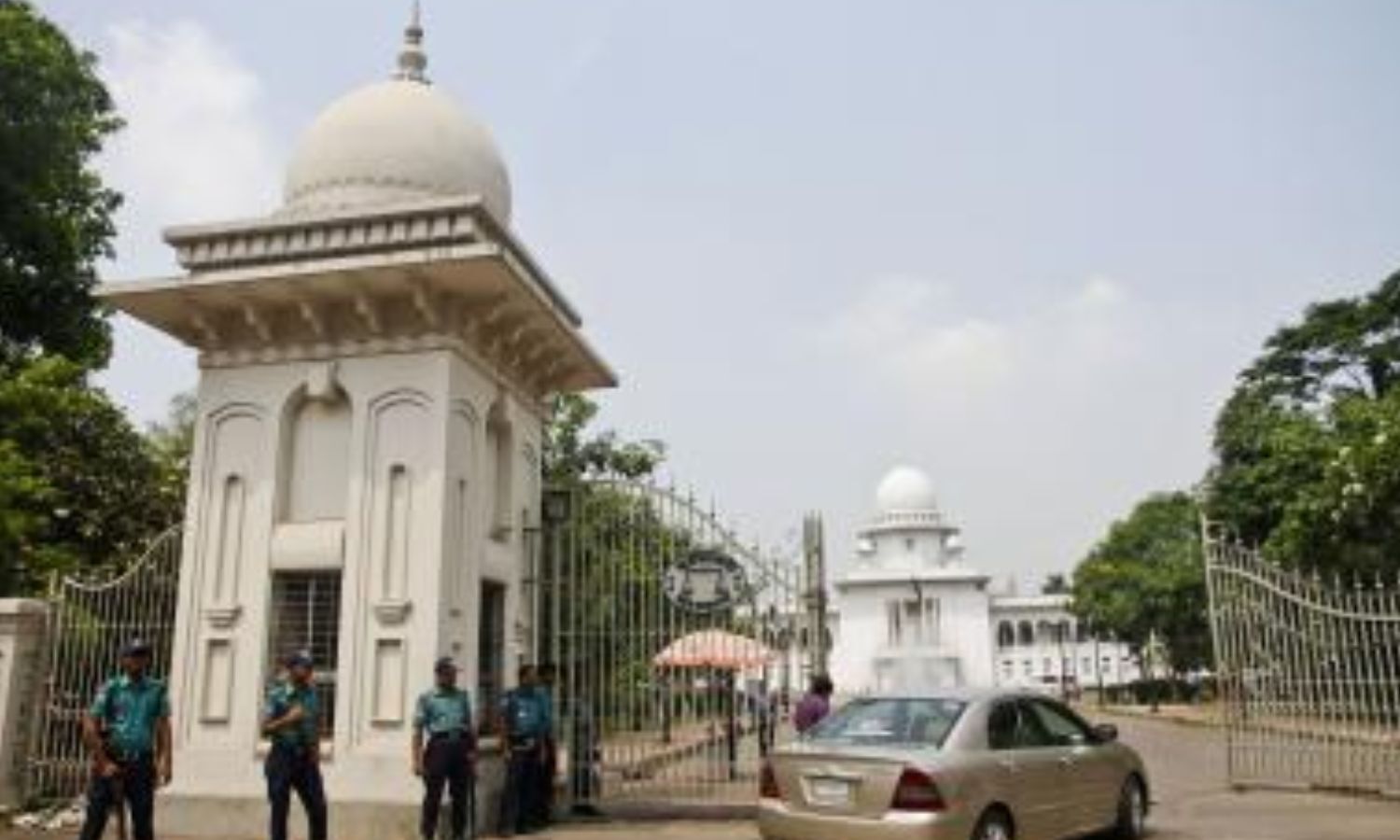
A court in Bangladesh sentenced seven political leaders to death.
The leaders belonged to the Awami League and related student and youth groups.
Prosecutors said they helped organize or support violence during protests in July 2024.
The alleged crimes included killings, attempted killings, torture, and encouraging attacks.
All seven people are reported to be fugitives.
The case was heard by Bangladesh’s International Crimes Tribunal.
Human Rights Watch said the tribunal may not be giving defendants enough legal protections.
It warned that weak procedures could lead to unfair punishment or political revenge.
The defendants’ side was not represented in the articles by direct comments.

Bangladesh’s International Crimes Tribunal-2 sentenced seven Awami League leaders to death on Tuesday.
Those sentenced include General Secretary Obaidul Quader and six leaders from government, student, and youth organizations.
Prosecutors accused the leaders of directing, encouraging, or supporting attacks, killings, torture, and other alleged crimes during the July 2024 uprising.
All seven defendants are reportedly fugitives, and the case was tried by a three-member tribunal led by Justice Nazrul Islam Chowdhury.
Human Rights Watch has criticized the tribunal’s procedures, citing concerns about fair-trial safeguards, trials in absentia, detention, and defense rights.
- Who
- Seven Awami League leaders, including Obaidul Quader, Mohammad Ali Arafat, and AFM Bahauddin Nasim, were sentenced.
- What
- Bangladesh’s International Crimes Tribunal-2 imposed death sentences for alleged crimes against humanity.
- Where
- Bangladesh, before the International Crimes Tribunal in Dhaka.
- When
- The verdict was announced on Tuesday; the allegations relate to the July 2024 mass uprising.
- Why
- Prosecutors alleged the leaders ordered, encouraged, assisted, or knew about systematic attacks, killings, and torture against students and civilians.
Prosecution and Accountability Position
Fair-Trial and Political-Vendetta Concerns
Basis for the convictions
Prosecution and Accountability Position
Prosecutors alleged that Awami League leaders and affiliated armed cadres carried out systematic attacks, killings, and torture during the July 2024 uprising, with the defendants exercising command or providing support.
Fair-Trial and Political-Vendetta Concerns
Human Rights Watch said people responsible for abuses should be held accountable, but argued that several prosecutions have fallen short of international fair-trial standards.
Trials in absentia
Prosecution and Accountability Position
The tribunal proceeded against defendants reported to be fugitives, allowing the cases to move forward despite their absence.
Fair-Trial and Political-Vendetta Concerns
Human Rights Watch said trials in absentia lacked appropriate safeguards, including defendants’ ability to choose lawyers to represent them.
Tribunal procedures
Prosecution and Accountability Position
The tribunal is being used under Bangladesh’s amended International Crimes Tribunal law to prosecute alleged crimes against humanity.
Fair-Trial and Political-Vendetta Concerns
Human Rights Watch criticized provisions allowing arrests without an evidential threshold, prolonged detention without written reasons, limited appeals, short preparation periods, and restrictions on cross-examination.
Key facts
- Tribunal
- International Crimes Tribunal-2
- Number sentenced
- Seven Awami League leaders
- Sentence
- Death
- Alleged offenses
- Murder, attempted murder, torture, inhumane acts, abetment, incitement, conspiracy, and other crimes against humanity
- Defendants’ status
- All seven were reported to be fugitives
- Tribunal leadership
- A three-member panel led by Justice Nazrul Islam Chowdhury
- Rights criticism
- Human Rights Watch cited concerns about detention, trials in absentia, defense preparation, appeals, and cross-examination
Quotes

Human Rights Watch
US-based international human rights organization
“Those responsible for the many abuses committed under the Sheikh Hasina government should be appropriately held to account, but many prosecutions are falling short of international fair trial standards. Bangladesh needs to urgently reform its criminal justice system, and the new government should ensure that there is no room for political vendettas through shoddy investigations and arbitrary allegations.”
 thehansindia.com
“Trials can begin three weeks after the prosecution discloses its evidence, leaving little time for adequate defence preparation. Trials in absentia are held without appropriate safeguards, including defendants’ right to choose lawyers to represent them. And the tribunal restricts defence lawyers’ ability to cross-examine witnesses.”
thehansindia.com
Sources
Related news
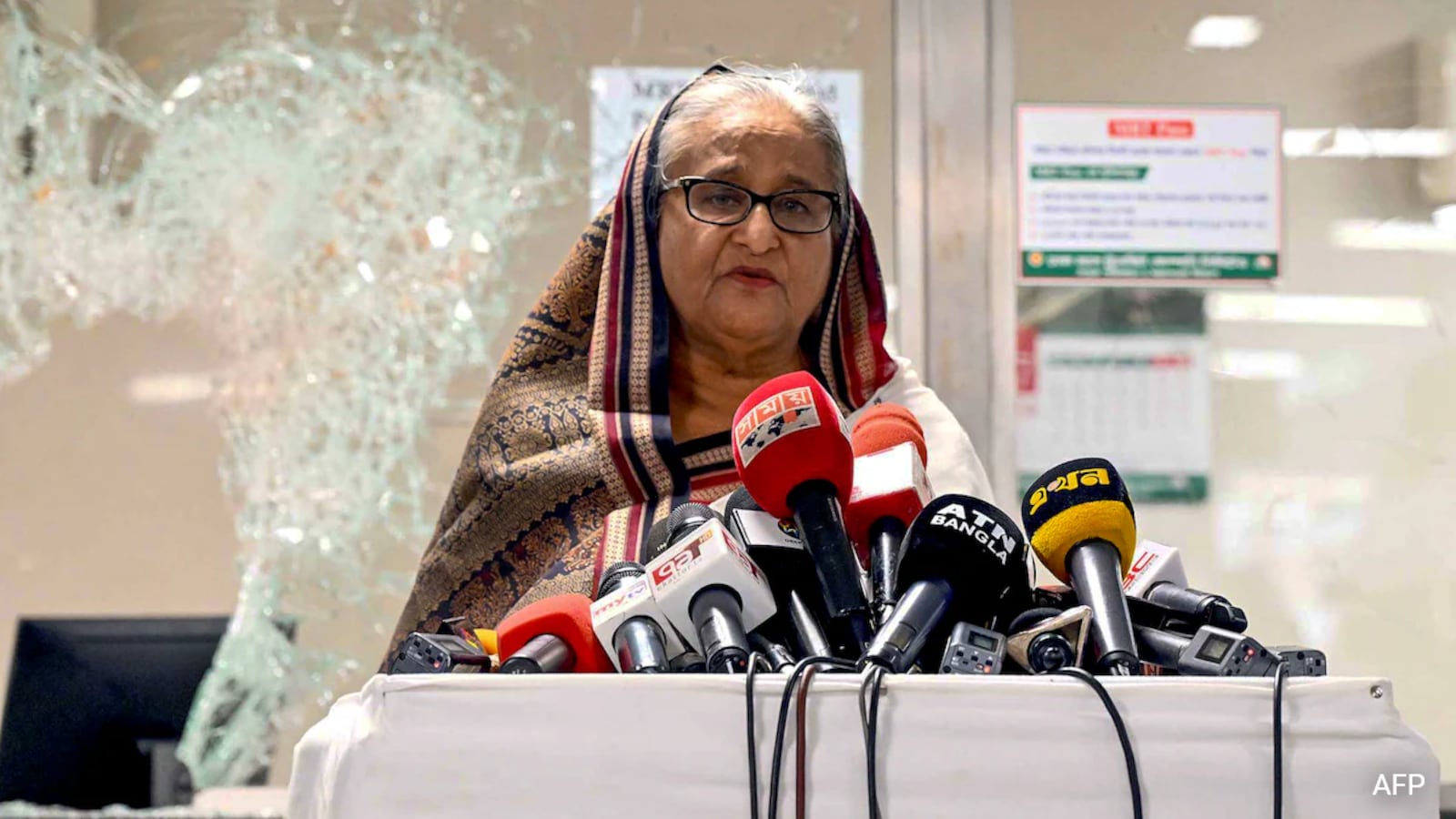
Bangladesh Sentences Seven Hasina-Era Leaders to Death Over 2024 Uprising
Analyst urges Bangladesh to protect rights and political inclusion

Bangladesh Rights Group Condemns Journalists’ Crimes Against Humanity Case

Bangladesh Seeks Interpol Red Notice for Ex-Army Chief
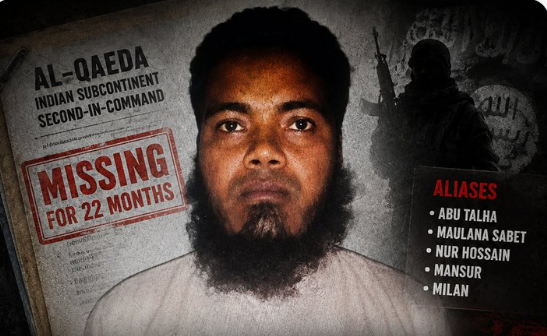
Wazed Claims Fugitive Al-Qaeda Leader Lives Freely in Bangladesh
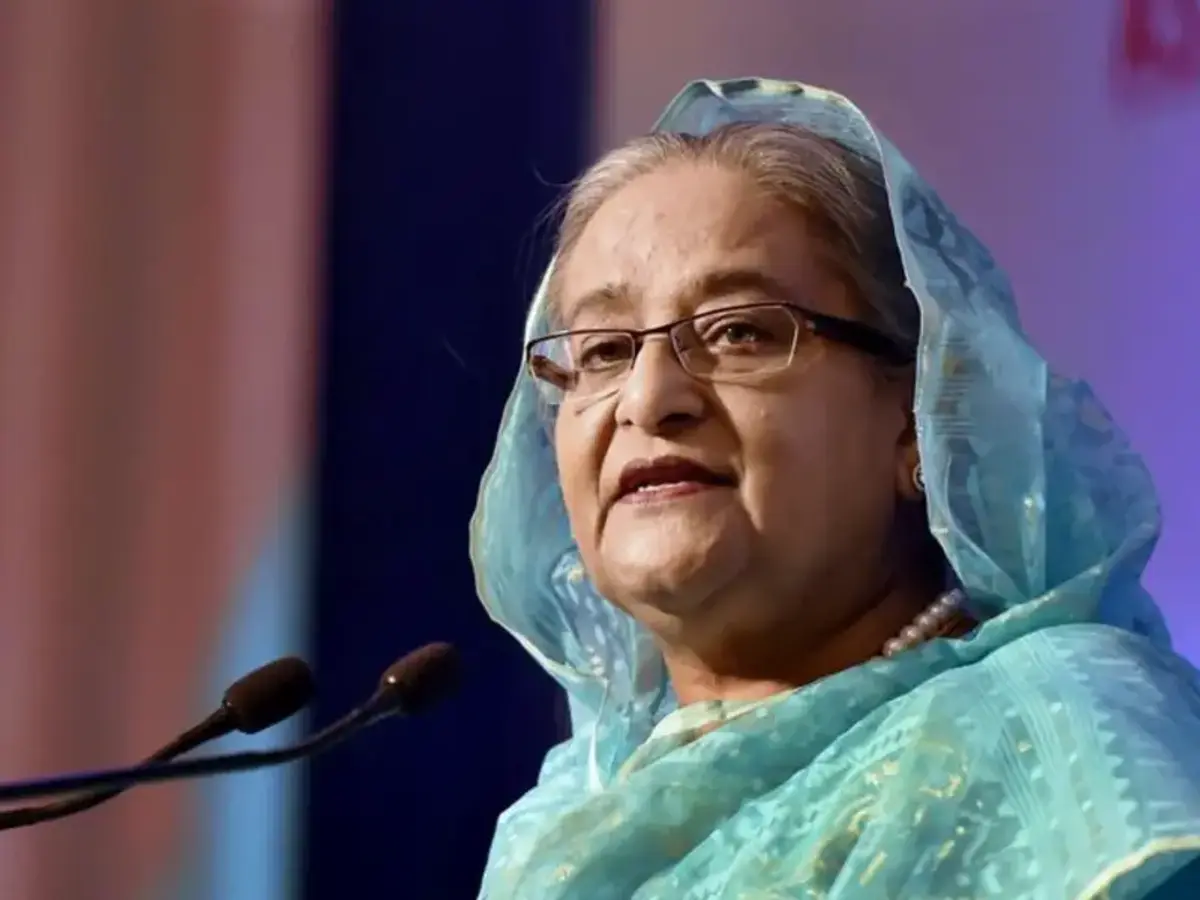
Bangladesh Speaker Accuses Sheikh Hasina of Disappearances and Killings
Jalil Akhtar Released After Detention Over Citizenship Suspicion
Jefferies Sees Three Shifts Unlocking India’s Textile Export Growth
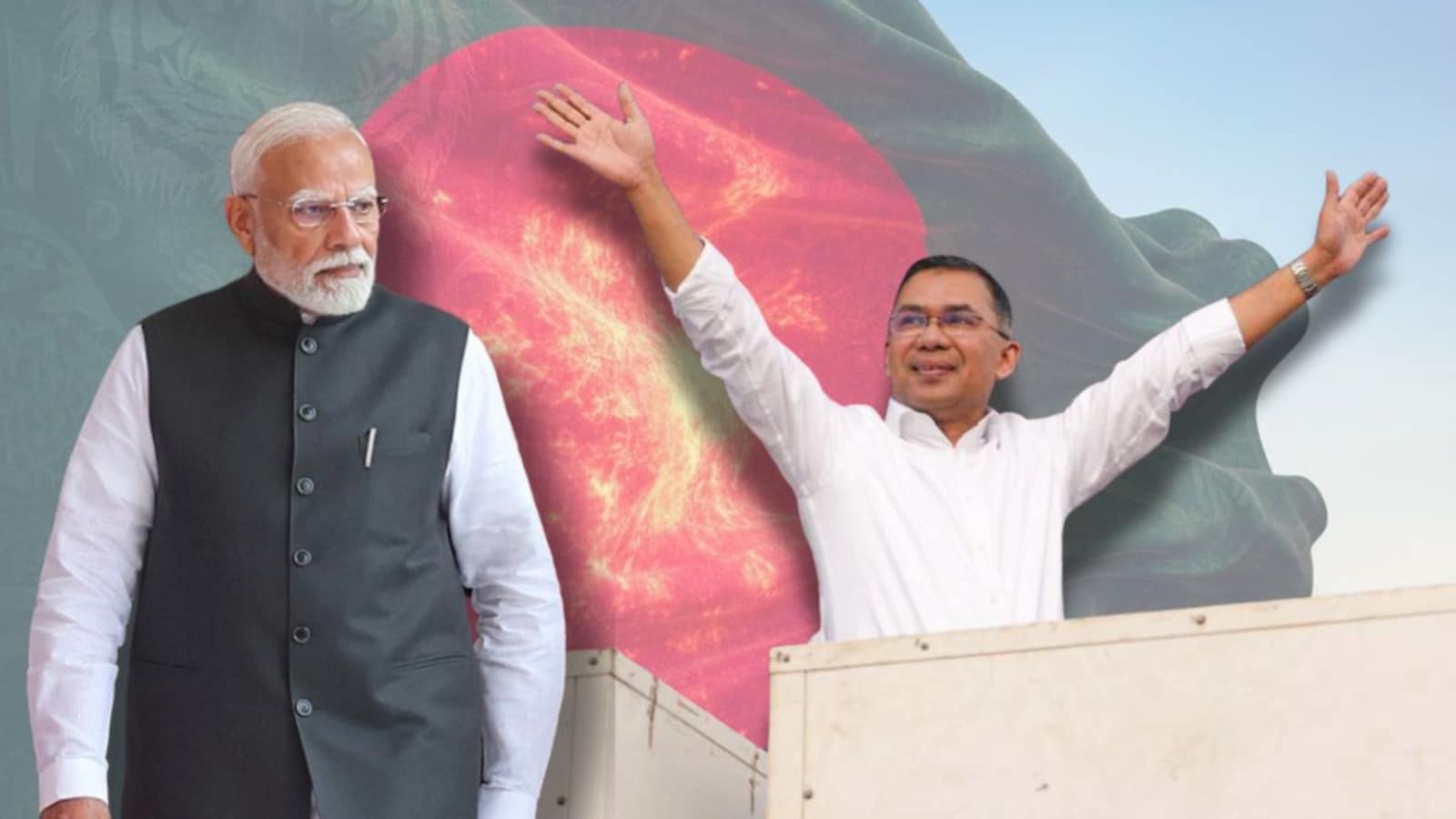
Why Bangladesh’s Tarique Rahman Skipped BRICS for UNGA
Bangladesh and Pakistan Rebuild Ties Through Flights, Trade and Dialogue