1 week ago
New Biography Reexamines Alexander the Great’s Conquests and Cruelty
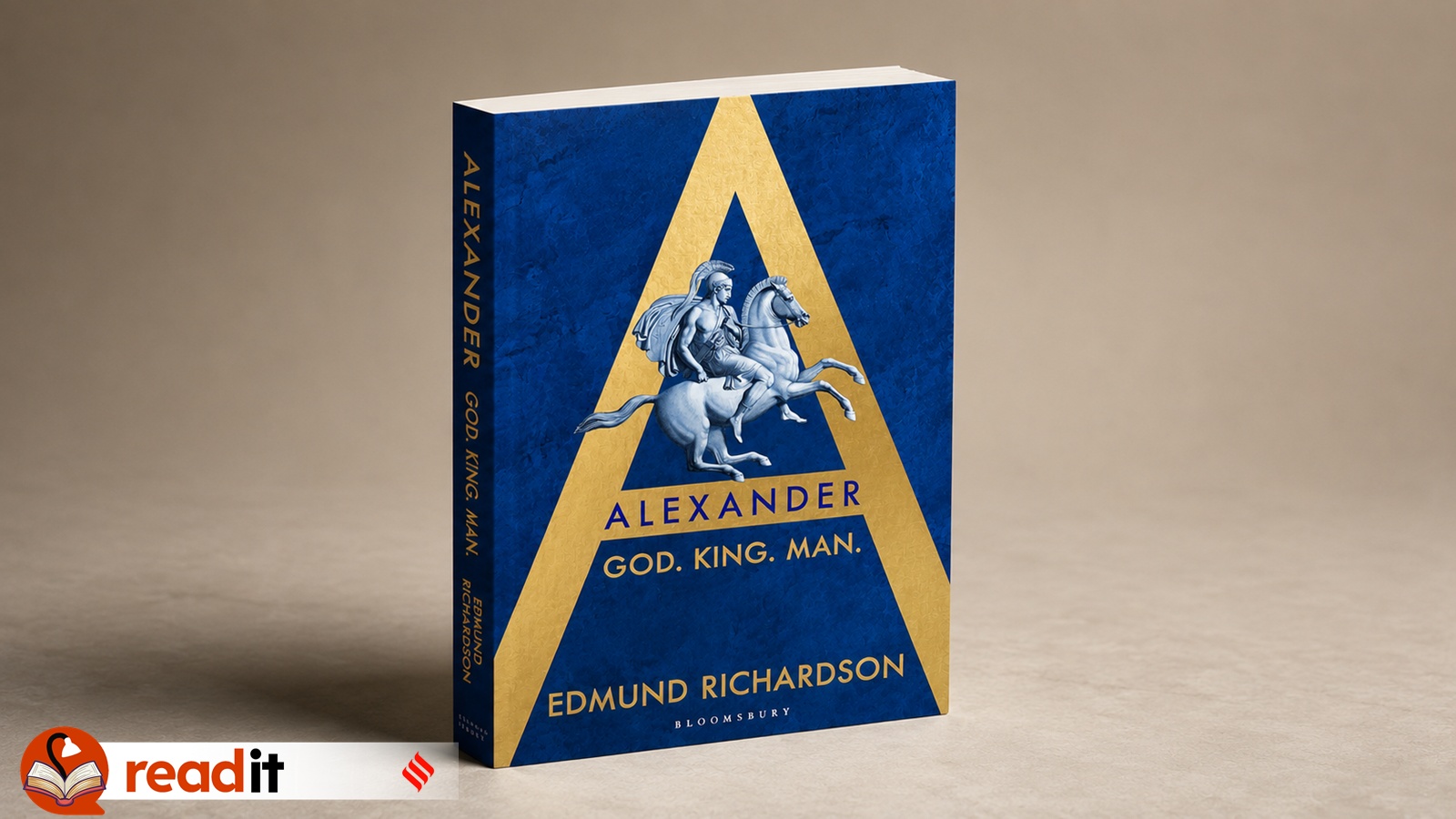
Alexander the Great was a young king who built a huge empire.
He began his military campaign in 334 BC and never returned to Greece.
He defeated the Persian king’s forces and conquered lands including Persia, Egypt, and parts of India.
A new biography by Edmund Richardson shows that Alexander was not only brave and clever, but also frightened, vain, and sometimes very cruel.
His army destroyed cities and killed or tortured many people.
Alexander also punished friends he believed had betrayed him, and later mourned some of them deeply.
The book explains how he tried to look like the hero Achilles and present himself as a son of a god.
The reviewer says the biography is exciting and readable.
However, it does not fully explain why so many soldiers stayed loyal to Alexander for so long.

Edmund Richardson’s 480-page biography uses Babylonian astronomical diaries, tombs, and other ancient evidence.
The book follows Alexander from his 334 BC campaign against Persia through his advance to India.
Richardson portrays Alexander as a gifted but insecure ruler who became increasingly autocratic and cruel.
The biography details atrocities including the destruction of Tyre, mass killings, torture, and executions of suspected disloyalists.
The reviewer praises the book’s gripping style but says it does not fully explain Alexander’s enduring popularity and army loyalty.
- Who
- Edmund Richardson, a Durham University professor of Classics, wrote the biography about Alexander the Great.
- What
- The book, Alexander: God, King, Man, reassesses Alexander’s military achievements, character, cruelty, and legacy.
- Where
- The story ranges from Greece through Persia and Egypt to India, with the Battle of Issus fought near modern Turkey.
- When
- Alexander’s campaign began in 334 BC, and he died in Babylon eleven years later; the review concerns Richardson’s newly published biography.
- Why
- Richardson uses ancient diaries, tombs, relics, and documents to offer a more human and critical portrayal of Alexander.
Traditional Alexander
Richardson’s Reassessment
Greatness and legacy
Traditional Alexander
Alexander is remembered as a remarkable conqueror who built one of the world’s largest empires and inspired generations of writers and filmmakers.
Richardson’s Reassessment
Richardson emphasizes that many of Alexander’s achievements were accompanied by manipulation, violence, superstition, and carefully constructed signs of greatness.
Leadership and loyalty
Traditional Alexander
Alexander’s soldiers followed him across a continent for nearly a decade, suggesting that he possessed exceptional leadership or inspired deep loyalty.
Richardson’s Reassessment
The book points to fear and superstition as important tools Alexander cultivated, but the reviewer finds these explanations insufficient and says the source of his appeal remains unclear.
Military hero or cruel ruler
Traditional Alexander
Alexander showed military and political ability, defeated major enemies, and sometimes treated captured enemies with respect.
Richardson’s Reassessment
The biography gives greater attention to his insecurity, vanity, executions, torture, the destruction of Tyre, and the slaughter of its citizens.
Key facts
- Book
- Alexander: God, King, Man
- Author
- Edmund Richardson
- Publisher
- Bloomsbury Publishing
- Length
- 480 pages
- Price
- Rs 799
- Campaign
- Alexander began his campaign in 334 BC and died in Babylon eleven years later.
- Battle of Issus
- The battle took place on November 5, 333 BC, near modern Turkey.
Quotes

Alexander
King of Macedonia, leading his army at the Battle of Issus
“Alexander was outnumbered and far from home. Unable to sleep, he had climbed to the top of a hill in the middle of the night. There, alone, surrounded by flaming torches, he prayed, knowing that it might be the last time he saw the stars.”
 indianexpress.com
Sources
Related news

Opinion argues India glorifies power over merit and accountability
Rare Alexander the Great-era silver coin for sale in Australia
Nolan's 'Odyssey' Draws Audiences, Critics Say It Lacks Homer's Eros

Poems Revisit Icons, History, Love, Grief, and Exclusion

New Biography of 'Myriad-Minded Man' Reveals Fragile Human Tagore