

3 weeks ago
Rare total solar eclipse leaves Europe scrambling for safe glasses
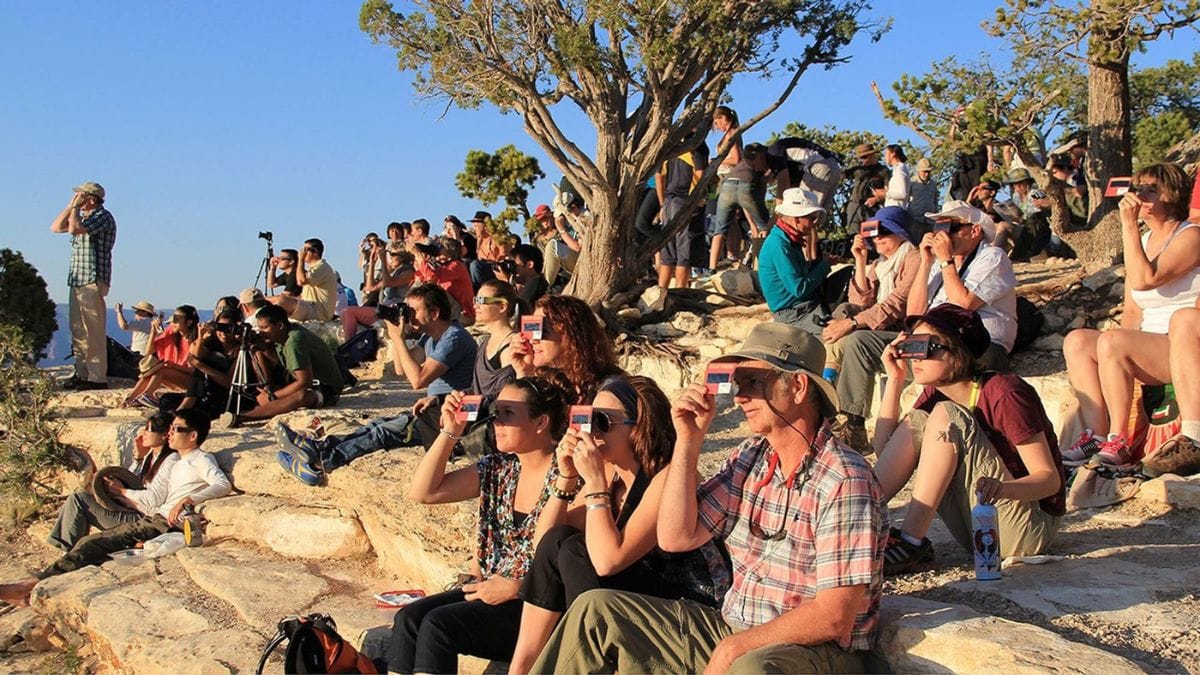
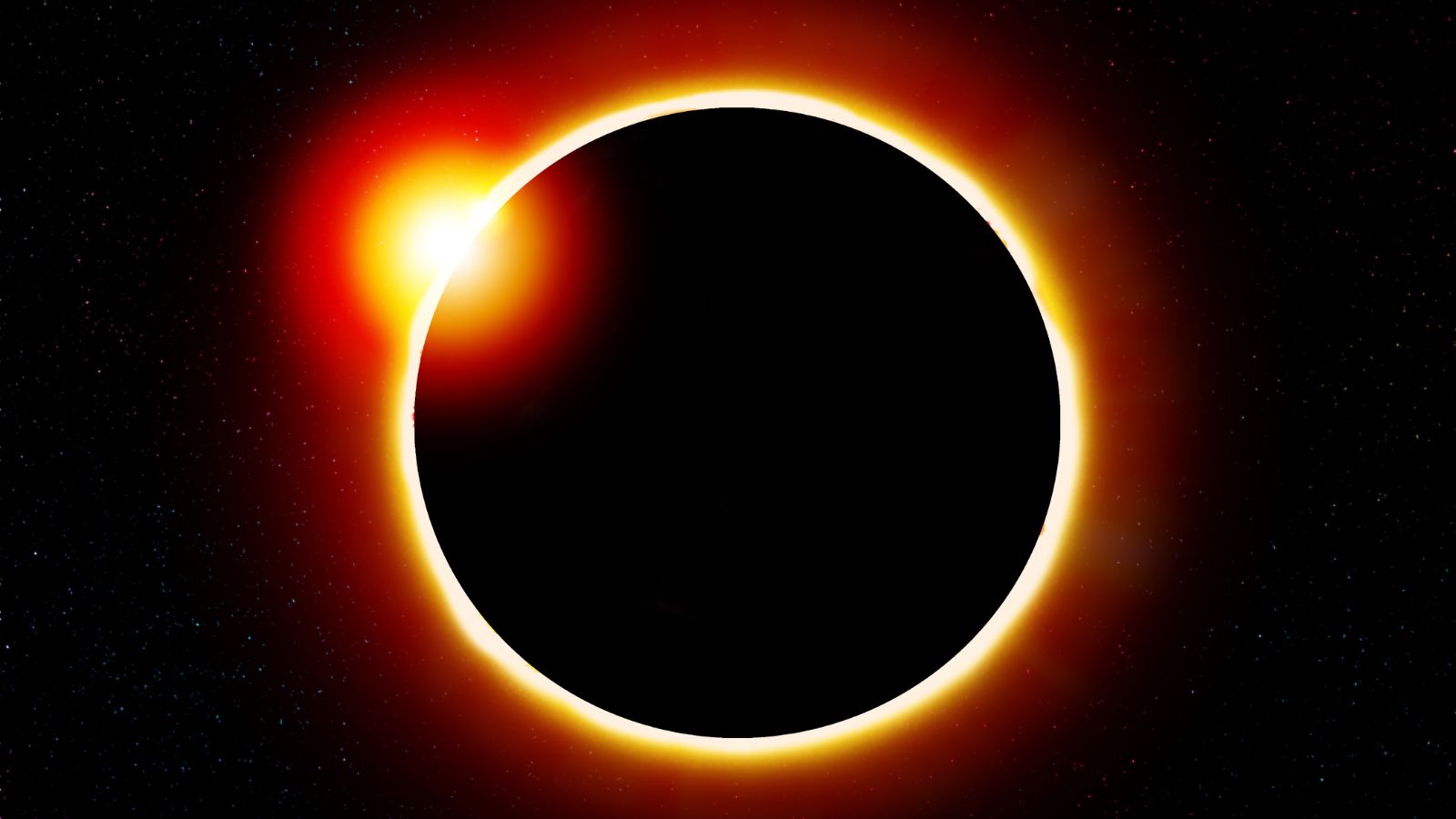
A solar eclipse happens when the Moon moves in front of the Sun and blocks its light.
On 12 August, a very special total solar eclipse will happen, and in some places the sky will suddenly turn dark in the daytime.
The same day will also bring a six-planet parade, a new moon, and the Perseid meteor shower, which shoots streaks of light across the sky.
People need special certified eclipse glasses to look at the Sun safely.
But across Europe, places like pharmacies, opticians, and science centres have run out of these glasses.
Doctors warn that looking at the Sun without proper glasses can hurt the middle of your eye and the damage may never heal.
They say there is no known treatment, so the only way to stay safe is to prevent the injury.
Fake glasses without certification are dangerous, so doctors tell people not to use them.
If you cannot find glasses, you can watch the eclipse using a pinhole projector, which shows the eclipse's shadow on the ground.
The only time it is safe to look directly is during the few moments when the Sun is completely covered.

NASA says a rare cosmic alignment on 12 August combines a total solar eclipse with a six-planet parade, a new moon, and the peak of the Perseid meteor shower.
According to AFP News Agency, pharmacies, opticians, and science centres across Europe—including in Barcelona and France—have sold out of certified protective eclipse glasses.
Barcelona resident Mabel was told glasses were sold out everywhere and that Amazon orders would not arrive in time, prompting residents to hunt for safety-compliant eyewear.
The path of totality crosses Greenland, Iceland, Spain, and the Arctic, while France will see a deep partial eclipse blocking 90 to 98 percent of the Sun.
Eye specialists, including New Delhi-based ophthalmologist Shruti Bhattacharya, warn that uncertified glasses risk permanent vision damage because solar retinopathy has no known treatment.
- Who
- Residents across Europe, especially in Spain and France, along with NASA and eye specialists.
- What
- A Europe-wide shortage of certified protective glasses ahead of a rare total solar eclipse on 12 August.
- Where
- Europe; the eclipse's path of totality crosses Greenland, Iceland, Spain, and the Arctic, with a deep partial eclipse in France.
- When
- 12 August.
- Why
- The rare celestial alignment has driven huge demand for safe viewing, and uncertified eyewear risks permanent eye damage.
Key facts
- Event
- Rare total solar eclipse
- Date
- 12 August
- Path of totality
- Greenland, Iceland, Spain, Arctic
- France's view
- Deep partial eclipse (90 to 98 percent of Sun blocked)
- Cosmic alignment
- Six-planet parade, new moon, Perseid meteor shower peak
- Health warning
- Solar retinopathy and permanent vision loss; no known treatment
- Safe alternative
- Pinhole projector for indirect viewing
- NASA safety rule
- Certified eye protection required; only the brief window of totality is safe to view directly
Quotes
Mabel
Barcelona resident
“"It’s ridiculous — so many people looking for glasses and whatnot. I’d rather watch it at home; it’s more comfortable,"”
 theprint.in
“"They’re all sold out now, sold out here."”
theprint.in
Shruti Bhattacharya
New Delhi ophthalmologist
“"It may cause solar retinopathy, or photochemical toxicity at the centre of the retina—and the resultant vision damage may be permanent, There is no known treatment for it, except prevention."”
theprint.in
Sources
Related news
Solar Eclipse 2026: rare total eclipse sweeps Europe, Spain, Iceland
Total solar eclipse wows millions across Spain, Iceland
Total Solar Eclipse August 12: How to View It Safely

Total Solar Eclipse August 2026: India Out, Greenland, Spain In
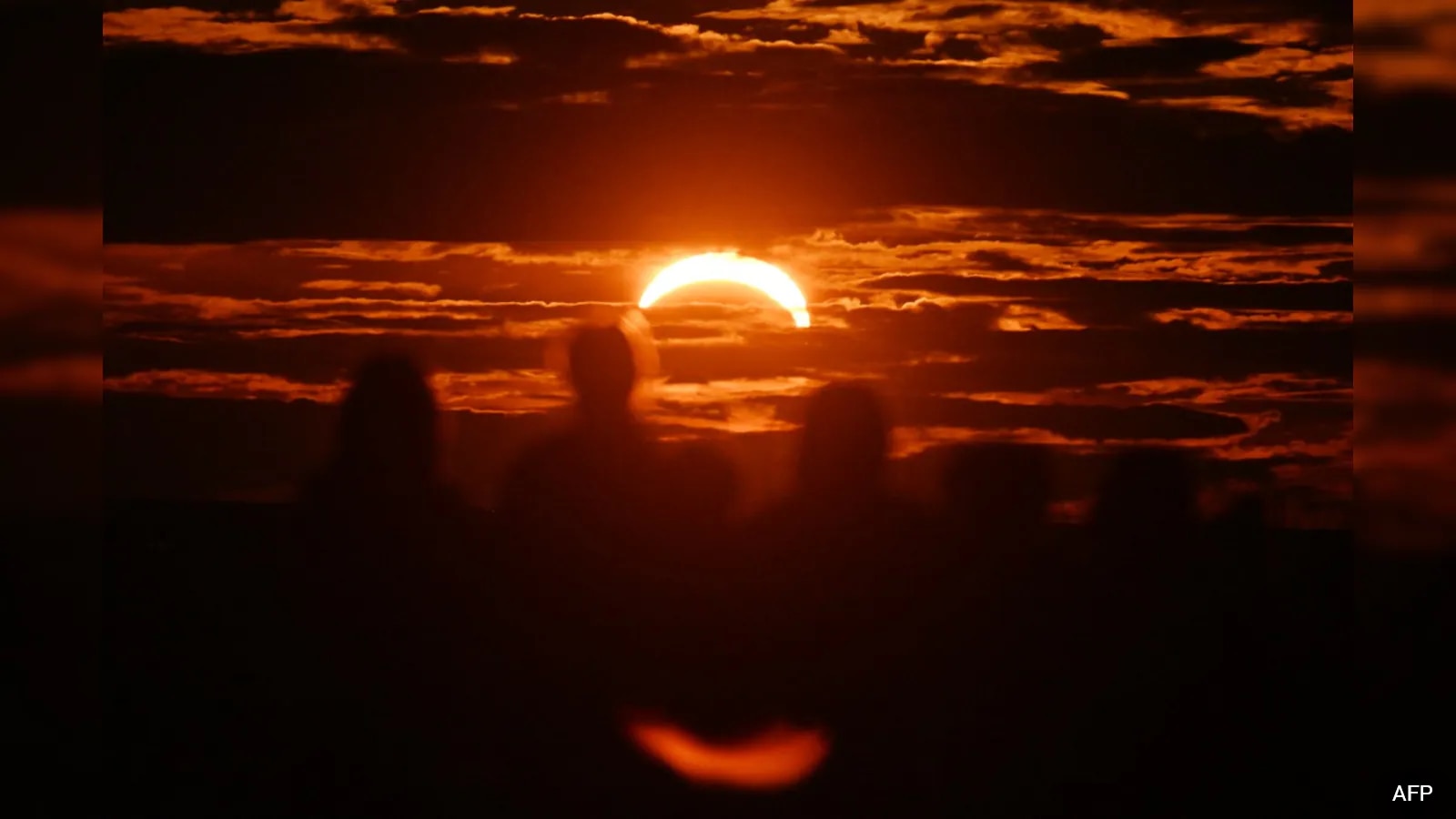
Millions Witness Spain's First Total Solar Eclipse in a Century

Total Solar Eclipse 2026: Greenland, Iceland Covered; India Misses
Ikea cuts European prices as cost pressures weaken demand

Europe's Bond Selloff Deepens as Middle East Tensions Lift Oil

China’s Rapid Car Development Faces Growing Safety Scrutiny
CNG Prices Rise Rs 2 per Kilogram in Pune

China Challenges US Leadership in Escalating Global AI Contest
