2 hrs ago
Seven Political Movements Reflect Growing Global Public Discontent
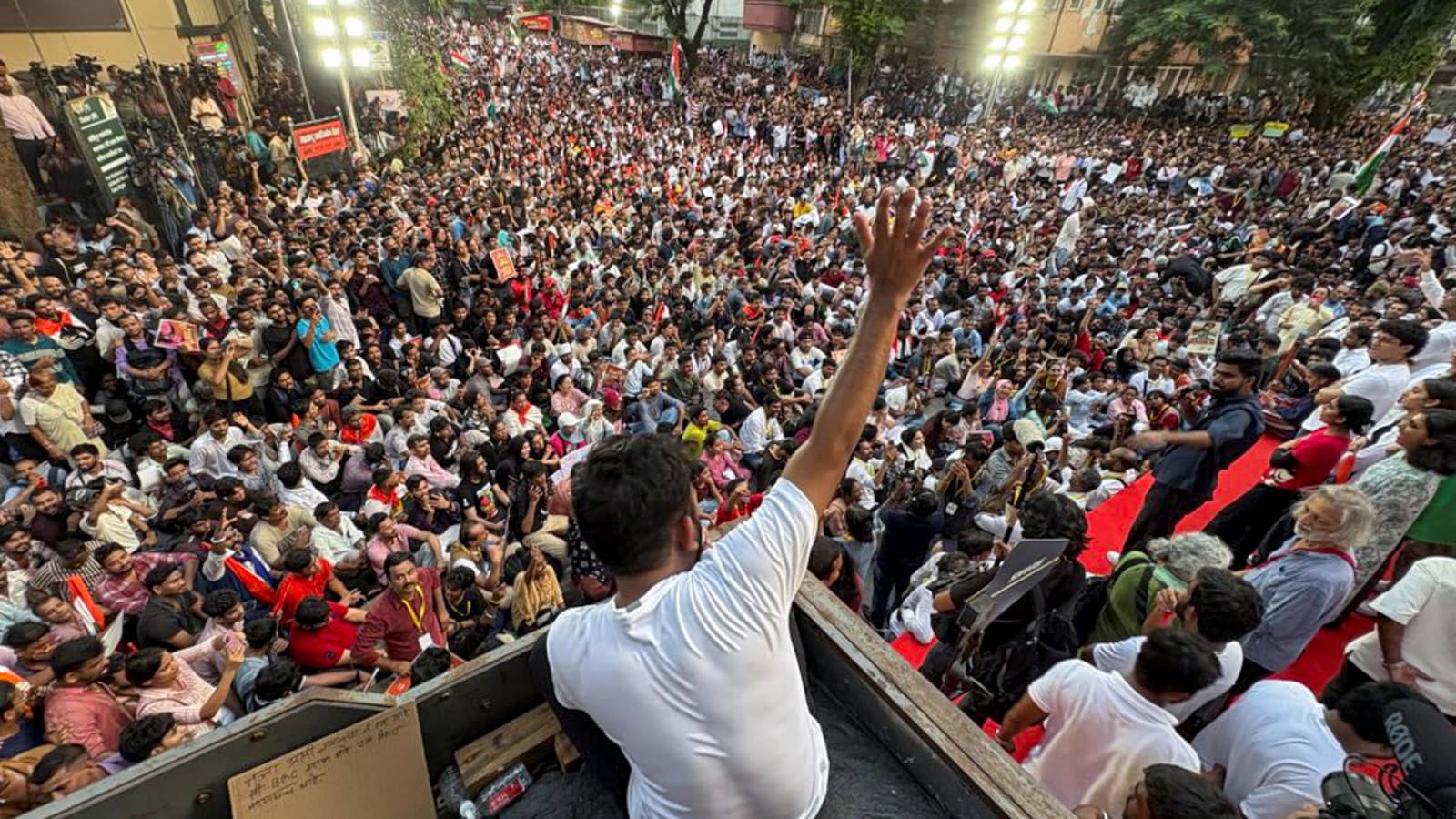
The article says people in many countries are protesting because they feel their governments are not solving important problems.
Young people are speaking out about corruption, jobs, education, and whether elections and public institutions are fair.
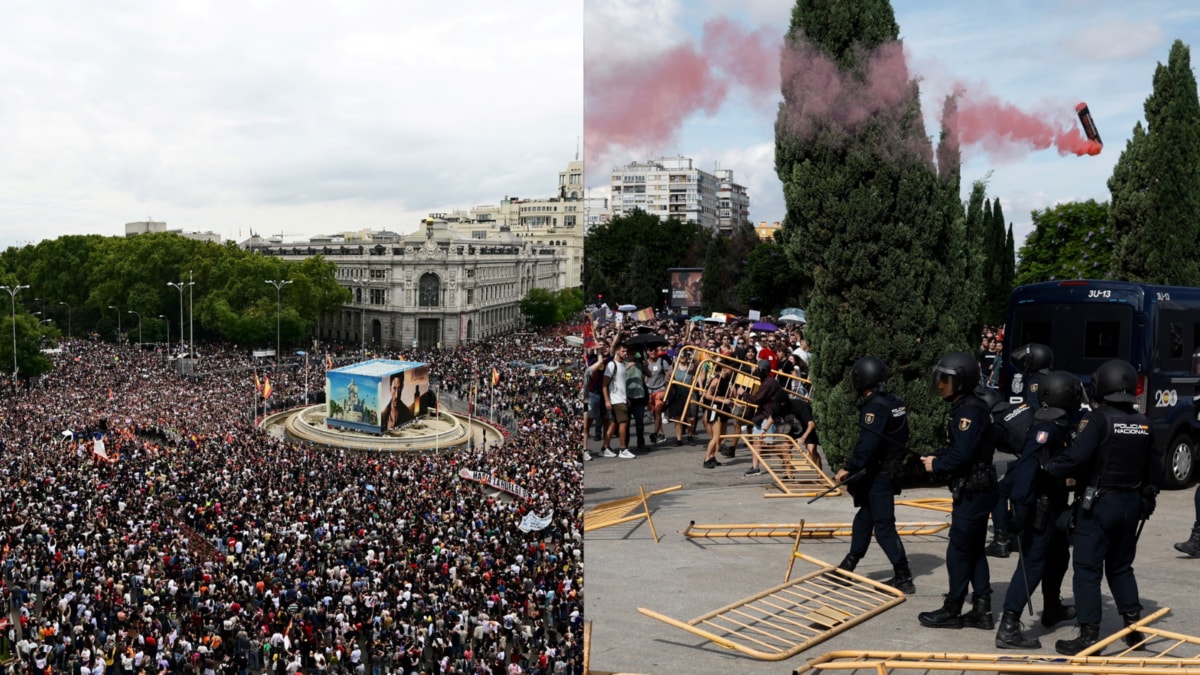
Many people in Europe are also worried about high rents and the difficulty of finding affordable homes.
In some places, protests focus on migration, while others focus on schools, healthcare, water, or electricity.
Workers and farmers are challenging economic changes and policies they believe put too much pressure on them.
Governments may say some changes are needed to manage the economy or protect the environment.
Protesters often ask why ordinary people should carry so much of the cost.
The article argues that these different movements share a demand for governments to work better for the people they serve.

The article describes seven political currents: youth anti-corruption, housing, anti-migration, public services, anti-austerity, institutional accountability, and farmers’ sovereignty.
Carnegie’s Global Protest Tracker is cited as recording significant anti-government protests in more than 57 countries over the past 12 months.
Young-led protests in countries including Nepal, Serbia, Kenya, and India have focused on corruption, jobs, education, or political accountability.
Housing costs have become a major protest issue in Europe, while migration-related demonstrations and counter-demonstrations have intensified local disputes in Britain.
Across countries, protesters challenge who bears the costs of economic reforms, weak public services, trade policies, and environmental rules.
- Who
- Protesters including young people, workers, tenants, farmers, and other residents in multiple countries.
- What
- A range of protest movements focused on corruption, affordability, public services, migration, economic policies, accountability, and farming.
- Where
- More than 57 countries, with examples across Europe, Asia, Africa, and Latin America.
- When
- The article describes protests over the past 12 months and cites examples from 2025 and January 2026.
- Why
- Protesters cite grievances including corruption, high housing costs, inadequate services, economic hardship, and distrust of institutions.
Protesters and critics
Governments and policy supporters
Economic reforms and austerity
Protesters and critics
Opponents say reforms, subsidy cuts, and spending reductions can burden workers, weaken rights, and worsen hardship.
Governments and policy supporters
Governments argue that painful reforms may be necessary to restore fiscal stability and make economic changes.
Migration and asylum accommodation
Protesters and critics
Anti-migration activists and some local protesters raise concerns about accommodation, public services, security, and government control of borders.
Governments and policy supporters
The article notes that authorities’ poor communication can leave an information vacuum; it does not provide a detailed defense of asylum policy.
Trade and environmental rules for farmers
Protesters and critics
Farmers argue that regulations and trade agreements could raise costs or expose them to cheaper imports and unfair competition.
Governments and policy supporters
Governments may view environmental regulation as necessary for the future, while the article also notes that farmers’ groups have pushed back against some reforms.
Key facts
- Protest activity
- The article says Carnegie’s tracker recorded significant anti-government protests in more than 57 countries over the previous 12 months.
- Active protests
- The article reports that 33 significant protests were active at the time of the cited snapshot.
- Corruption protests
- A Carnegie analysis cited in the article identified 151 protests primarily driven by corruption across 83 countries.
- European housing
- A Guardian report cited in the article says EU housing prices rose 53% and rents 25% between 2010 and 2024.
- Nepal
- The article says a youth-led movement expanded from opposition to a social-media ban into a broader revolt, helping bring down the government.
- Britain
- In Crowborough, demonstrations and counter-demonstrations followed the arrival of more than 300 asylum seekers at a former military site.
- Farm protests
- The article says French farmers drove tractors into Paris in January 2026 to oppose the EU-Mercosur trade agreement.
Quotes
Serbian student
A student involved in Serbia’s nationwide protests against corruption and weak institutions.
“We are done with corruption.”
 NDTV
NDTV
Kenyan activist
A Kenyan activist discussing the international connections between youth protest movements.
“Young people increasingly see their struggles as part of a wider global awakening against corruption, economic exclusion, political arrogance and state violence”
NDTV
Sources
Related news

Gen Z Protests Knock on India’s Democratic Door

Protests Escalate as Demonstrators Demand Election Chief’s Resignation
Tens of Thousands Protest Across Spain for Affordable Housing

French Gen Z Protests Over Education Reform Spark Political Dispute

Saurav Das Calls Gen Z to Protest on October 10

Madrid Housing Protests Enter Third Day After Pensioner’s Eviction
Odisha-Born CSM Tech Deploys Kenya’s National Royalty System

Survey Finds More People Say Social Media Harms Democracy
Pew Survey Finds Growing Concern Social Media Harms Democracy

INS Tarkash Visit Deepens India-Kenya Maritime Cooperation in Mombasa