2 weeks ago
Punjab Faces Alleged Rise in ISI-Linked Terror-Crime Attacks
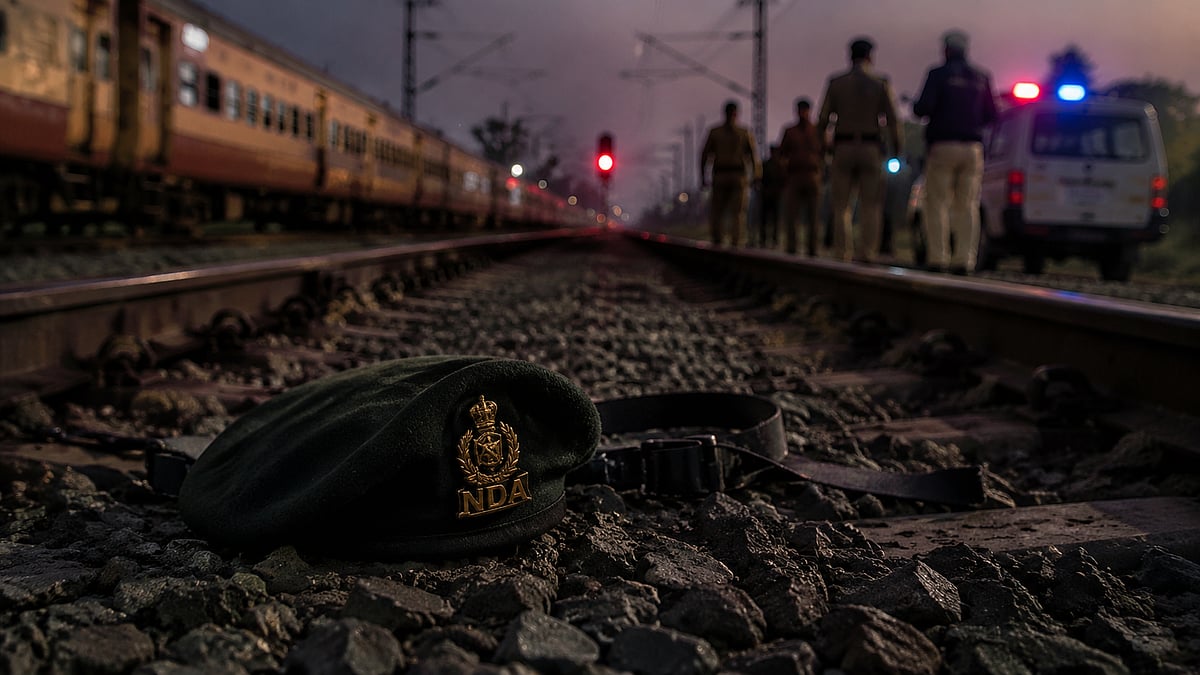
Punjab has experienced several small attacks in 2026, including petrol-bomb incidents.
Security agencies say some may be connected to groups operating from Pakistan.
One attack targeted a clinic in Bathinda, but nobody was hurt.
Investigators say young people are sometimes offered quick money to help these networks.
Recruiters may contact them through social media or encrypted messaging apps.
The people who carry out the tasks are often arrested soon afterward.
Their families can face shame, financial pressure and worry.
The article says young people should seek safer opportunities in education, agriculture, business and sports instead.

Security agencies attribute a rise in Punjab’s 2026 low-intensity attacks to Pakistan-based hybrid terror-crime networks.
On June 22, two men allegedly threw a petrol bomb at a homeopathy clinic in Bathinda, causing property damage but no injuries.
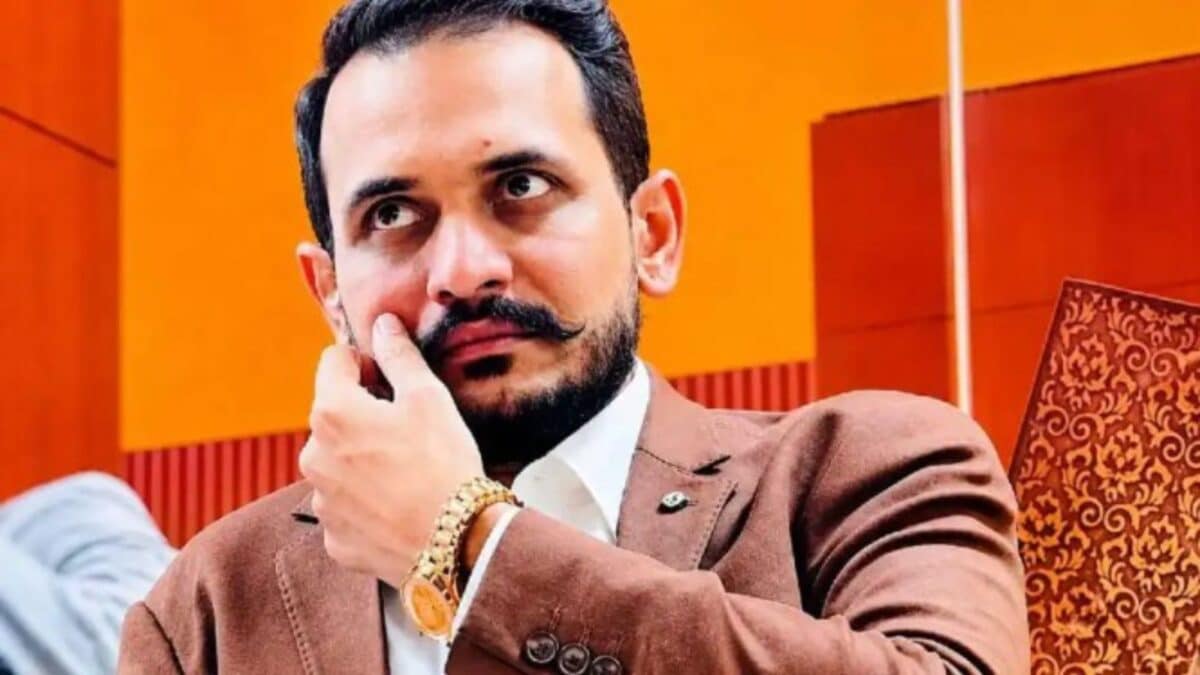
Investigators have linked Pakistan-based Shehzad Bhatti, described as an alleged ISI-linked gangster, to multiple incidents and threats.
Recruiters allegedly lure young men with small payments through encrypted apps and social media, while funding may involve hawala channels and narcotics trafficking.
Authorities say recruits often face arrest and anti-terror charges, while their families endure legal costs, stigma and disrupted futures.
- Who
- Punjab residents, young recruits and alleged Pakistan-based handlers, including Shehzad Bhatti, are central to the report.
- What
- Security agencies attribute several low-intensity attacks, including petrol-bomb incidents, to hybrid terror-crime networks; the allegations are disputed only in the sense that the article presents them as agency assessments and investigative claims.
- Where
- The incidents described occurred in Punjab, including Bathinda and Sangrur, with alleged handlers based in Pakistan.
- When
- The reported increase occurred in 2026; a Bathinda attack took place on June 22, 2026, and other incidents followed in late July.
- Why
- According to the article, the networks seek to create fear, disrupt ordinary governance and recruit vulnerable young people using promises of quick money.
Security and Counterterrorism Assessment
Skepticism and Civilian Impact
Responsibility for the attacks
Security and Counterterrorism Assessment
Security agencies and investigators attribute several incidents to Pakistan-based hybrid terror-crime networks and have linked Shehzad Bhatti to multiple cases.
Skepticism and Civilian Impact
The article does not provide a response from Bhatti or Pakistani authorities, so the responsibility claims remain allegations and agency assessments within the report.
Recruitment and motivation
Security and Counterterrorism Assessment
The article says foreign-based handlers deliberately exploit financial pressure and frustration among young people, using small payments and promises of larger rewards.
Skepticism and Civilian Impact
The young recruits are portrayed as vulnerable participants whose lives and families suffer most after arrests, charges, stigma and lost opportunities.
Best response for Punjab’s youth
Security and Counterterrorism Assessment
The article emphasizes vigilance, reporting suspicious online approaches and monitoring unexplained changes in behaviour or cash.
Skepticism and Civilian Impact
The article argues that agriculture, entrepreneurship, employment initiatives and sports offer more durable alternatives than illicit activity.
Key facts
- Reported pattern
- Punjab saw a noticeable rise in carefully planned low-intensity attacks during 2026, according to the article.
- Bathinda incident
- Two motorcycle-borne men allegedly threw a lit petrol-filled bottle at a homeopathy clinic on June 22, causing property damage but no injuries.
- Other alleged targets
- Reported incidents included a political office in Sangrur, hospitals, police stations and BSF facilities.
- Named suspect
- Investigating agencies identified Pakistan-based Shehzad Bhatti as an alleged ISI-linked gangster associated with the Khalistan Liberation Army and related proxies.
- Recruitment method
- The article says handlers use encrypted messaging apps and social media, offering young recruits small payments and larger promised rewards.
- Legal consequences
- Indian nationals allegedly involved face arrest, formal charges under anti-terror provisions of the Bharatiya Nyaya Sanhita and trial.
- Reported financing and supply
- The article says funding may move through hawala channels or narcotics trafficking, while arms and explosives are allegedly smuggled across the border.
Sources
Related news
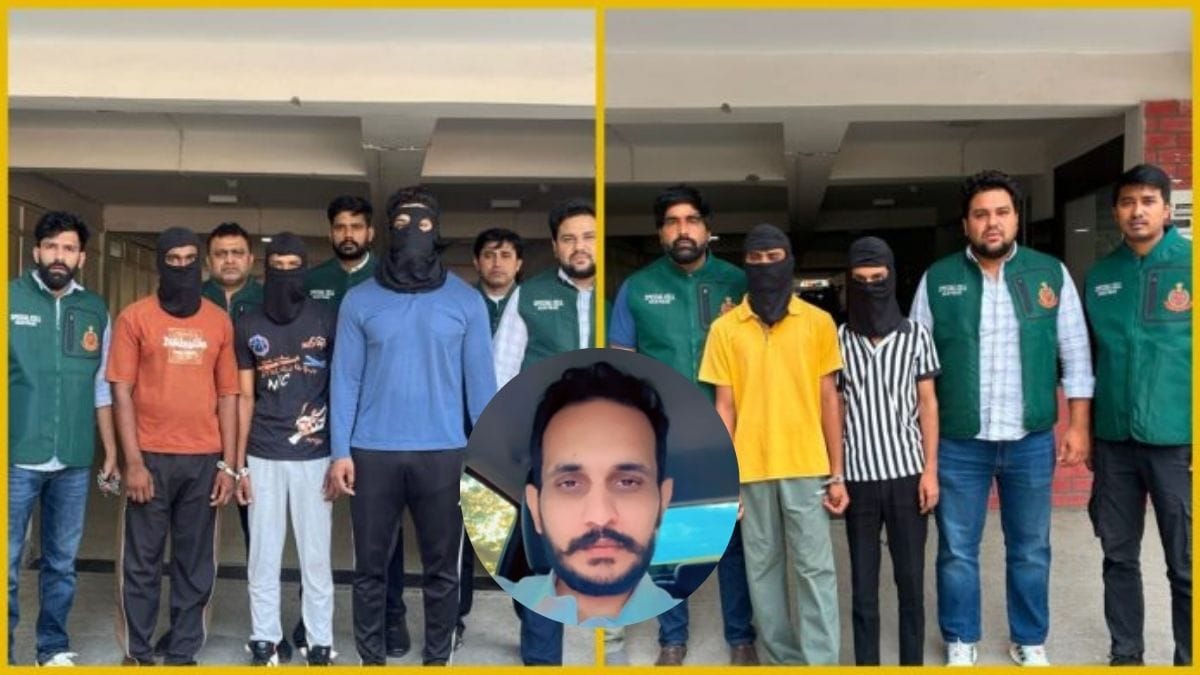
200 arrested as ISI-backed Bhatti network thwarted across 14 states
How Shahzad Bhatti Built an Online Terror Network

Punjab Police busts ISI-sponsored Babbar Khalsa International terror module

Punjab Police Bust Two ISI-Backed Terror Modules Targeting Jantar Mantar
Two Arrested in Telangana Over Alleged Pakistan-Based Network Links
Gunmen Open Fire At Mohali Salon; Police File Case

Punjab Police, ED Clash Over Alleged Transfer-Posting Network

India Demands Probe Into Pakistan Temple Destruction

Private Hospitals Flag Ayushman Bharat Payment Delays and Claim Deductions
Punjab Announces Statewide Awareness Drive on BC Certificates