

2 hrs ago
AI-Generated Child Sexual Abuse Images Surge in 2026
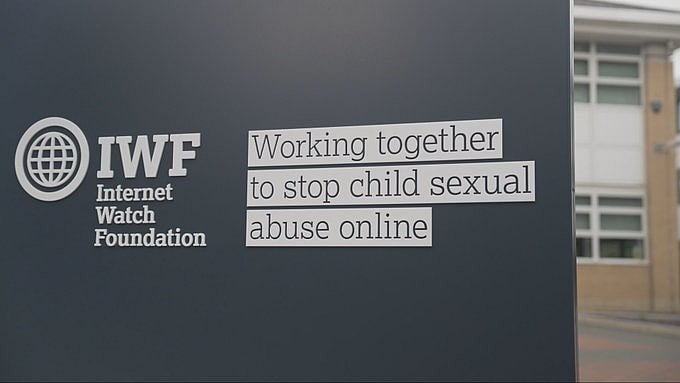
The Internet Watch Foundation counts AI-made pictures that show child sexual abuse.
In the first six months of 2026, it assessed more of these pictures than it did during all of 2025.
Most of the pictures with recorded details showed girls, and many showed children aged seven to 13.
The group also found many more AI-made abuse videos in 2025 than in 2024.
Some children reported pictures of themselves that they believed had been faked or changed to look explicit.
The IWF wants stronger rules requiring technology companies to make safer AI tools.
The UK government says abuse material is illegal even when AI creates it.
UK law also makes developing a model designed to create certain hyper-realistic abuse material punishable by up to five years in prison.
The IWF and National Crime Agency advise parents and guardians to limit public sharing of children’s photos online.

The Internet Watch Foundation assessed 6,310 AI-generated child sexual abuse images from January through June 2026, 40% more than its 4,512 total for all of 2025.
Of 6,221 images with age and gender recorded, 6,094 depicted girls; 79% depicted children aged seven to 13.
The IWF also identified 3,440 AI-generated abuse videos in 2025, compared with 13 in 2024.
Reports from children about images they believed had been faked or manipulated reached 420 in the first half of 2026, compared with 397 in all of 2025.
The IWF called for binding AI regulation; the UK government cited existing offences and up to five years in prison for developing a model designed to create hyper-realistic abuse material.
- Who
- The Internet Watch Foundation reported the findings; the UK government, the National Crime Agency, and the IWF also issued statements or advice.
- What
- IWF analysts assessed 6,310 AI-generated child sexual abuse images in the first half of 2026, exceeding the full-year 2025 total.
- Where
- The findings are from the UK-based Internet Watch Foundation, which monitors child sexual abuse material globally; the legal response described concerns UK law.
- When
- The image assessment covered January 1 to June 30, 2026; comparisons include 2025 and 2024 data.
- Why
- The IWF called for regulation and safer AI models as AI-generated abuse material and reports of manipulated images increased.
Calls for stronger regulation
Government response and regulatory test
Whether AI rules should be strengthened
Calls for stronger regulation
The IWF called for comprehensive regulation and binding legislation requiring companies to build safer models and enabling platforms to detect, prevent, and respond to abuse material.
Government response and regulatory test
The UK government said child sexual abuse material is illegal whether AI-generated or not and cited offences covering AI models used to create it. AI Minister Kanishka Narayan said further proposals would be judged by whether they make the British people safer.
Key facts
- Images assessed, January–June 2026
- 6,310
- Images recorded in all of 2025
- 4,512
- Images with age and gender recorded
- 6,221
- Girls depicted in recorded images
- 6,094 (98%)
- Images depicting children aged 7–13
- 79% in the first half of 2026, compared with 70% across 2025
- AI-generated abuse videos identified
- 3,440 in 2025, compared with 13 in 2024
- Reports of believed fake or manipulated images
- 420 in the first half of 2026, compared with 397 in all of 2025
- Maximum sentence cited for developing a specified AI model
- Up to five years in prison
Quotes
UK government spokesperson
Spokesperson for the UK government.
“UK law is clear that child sexual abuse material is illegal, regardless of whether it is AI-generated or not. We are going further by banning AI models that are used to create this type of abuse material and produce sickening, hyper-realistic imagery that often contains the likeness of real children.”
 freepressjournal.in
“If Europe is serious about protecting children, it needs a comprehensive Child Sexual Abuse Regulation that gives platforms the legal certainty to detect, prevent and respond to known and unknown child sexual abuse content.”
 theprint.in
Sources

Related news

India Examines Platform Gaps After Instagram Child Abuse Ads

Supreme Court Judge Warns AI Misuse Threatens Children Online
New York Shuts 12 Websites Over AI Deepfake Abuse

Telangana Child Cybercrime Cases Reach 72, Ranks Eighth Nationally

Meta India Executives Face Renewed Inquiry Over Abuse Advertisements

Google Proposes Direct Child Abuse Reports to Indian Authorities

When AI Agents Act, Governments Face Accountability Questions

MP Police Band Recruitment Results Select 560 Amid Petitions

Madhya Pradesh Plans Recruitment For 85,000 Vacant Posts

King Charles Warns AI Executives About Existential Technology Risks
