1 hr ago
Online Checkout Fees and Dark Patterns Add to Consumer Bills
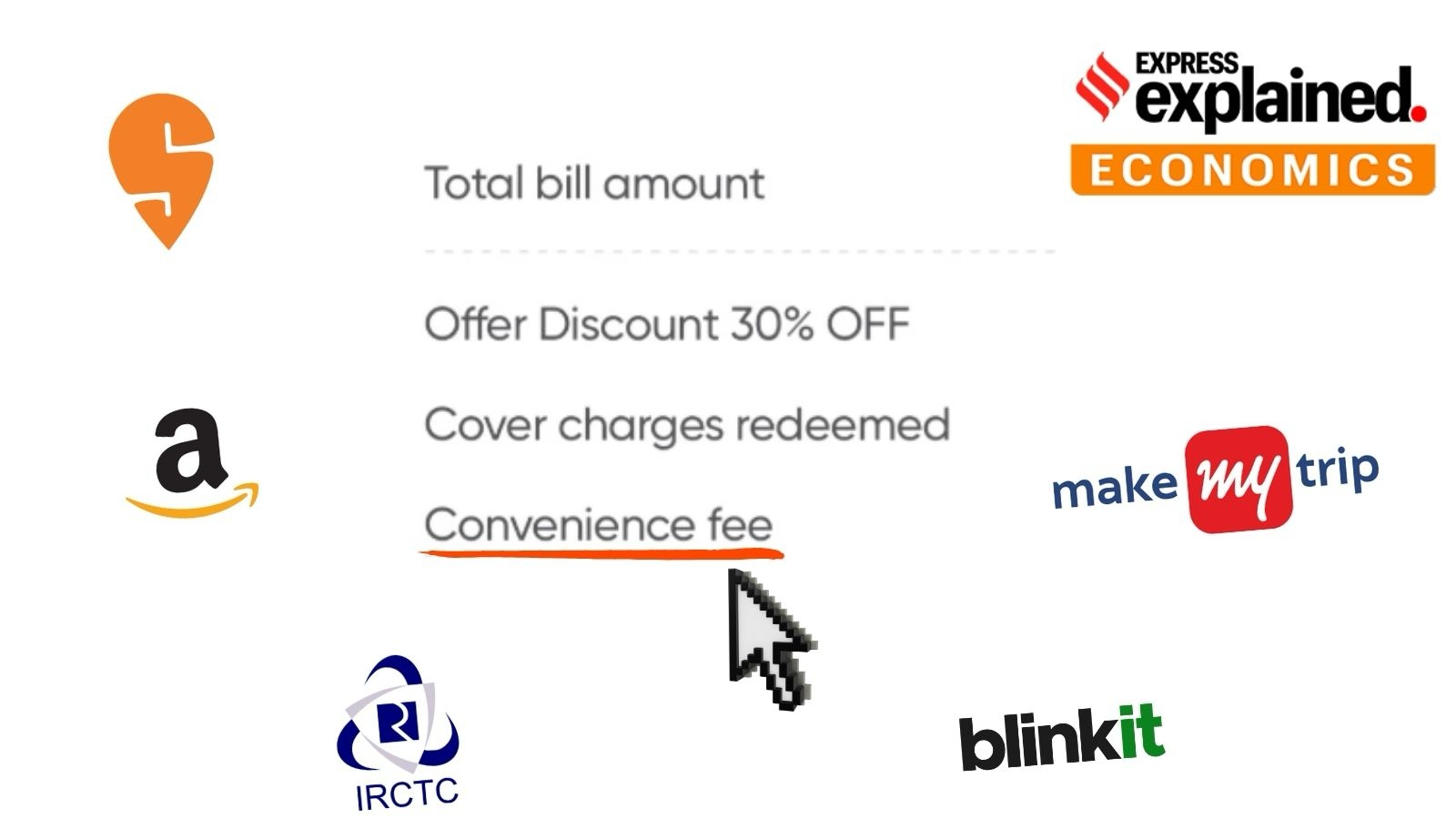
Many websites and apps add fees when people buy things online.
These fees can appear for food delivery, shopping, train tickets, movies and travel.
Sometimes the first price shown is not the final price.
Extra charges may appear only after a person has chosen what to buy and is nearly ready to pay.
Some apps may also add a product or service to a cart without asking clearly.
India’s consumer authority fined Zepto over a practice it called basket sneaking.
These designs can make it harder for people to see the real cost before they decide.
The article says these charges have become an important source of income for some companies.

Platform and convenience fees are now common across food delivery, e-commerce, ticketing and travel bookings in India.
IRCTC charges convenience fees of Rs 15 plus GST for non-AC e-tickets and Rs 30 plus GST for AC tickets, with reduced fees for specified BHIM/UPI payments.
IRCTC earned Rs 248 crore from convenience fees in the June 2026 quarter, more than 18% of its total revenue for that period.
The CCPA fined Zepto Rs 7 lakh over alleged basket sneaking and directed it to stop the cited dark patterns.
Drip pricing describes mandatory charges revealed progressively, sometimes only late in the checkout process.
- Who
- Online platforms and service providers, including IRCTC, Swiggy, Zomato, Amazon India and Zepto, and consumers using their services.
- What
- The spread of platform and convenience fees, alongside checkout designs that may obscure or add charges.
- Where
- India, across online food delivery, shopping, ticketing and travel services.
- When
- The article discusses current practices and cites IRCTC figures for the June 2026 quarter and a CCPA action in August.
- Why
- The article examines how extra fees have become a revenue source and how late or unclear disclosures can make the final price less transparent.
Consumer concerns
Platform and policy rationales
Additional online fees
Consumer concerns
The article argues that separate charges can raise the final price and may be revealed late, even though digital transactions can save providers resources.
Platform and policy rationales
IRCTC says reduced fees for specified BHIM/UPI payments are intended to promote digital payments and support the Digital India mission.
Checkout design and disclosure
Consumer concerns
Consumer authorities and the article describe basket sneaking and drip pricing as practices that can mislead shoppers or hide the real cost.
Platform and policy rationales
The article reports that such fees are widely used across online sectors, but provides no broader defense from platforms for late fee disclosures.
Key facts
- IRCTC non-AC convenience fee
- Rs 15 plus GST per e-ticket; Rs 10 for specified BHIM/UPI payments.
- IRCTC AC convenience fee
- Rs 30 plus GST per e-ticket; Rs 20 plus applicable GST for specified BHIM/UPI payments.
- IRCTC convenience-fee revenue
- Rs 248 crore in the June 2026 quarter.
- IRCTC total revenue
- Rs 1,369 crore in the June 2026 quarter.
- Analyst estimate for Swiggy and Zomato
- Each is estimated to earn roughly Rs 1,000 crore to Rs 1,200 crore annually from platform fees.
- Zepto penalty
- The CCPA imposed a fine of Rs 7 lakh and directed Zepto to discontinue the cited dark patterns.
- Relevant guideline
- India’s Guidelines for Prevention and Regulation of Dark Patterns, 2023 define drip pricing.
Quotes
A retired chief of a technology regulator
A retired leader of a technology regulator quoted discussing online convenience fees.
“The word convenience charge itself is an anomaly, given that it is the service provider who is benefiting by offering that service online.”
 indianexpress.com
Sources
Related news
CCPA Fines Rapido ₹10 Lakh Over Dark Patterns
India Orders Cab Aggregators to End Advance Tipping Practices

UPI Apps Won’t Charge Consumers as Merchant MDR Begins
UPI Charge Sparks Memes Over Who Will Ultimately Pay
Zomato Adds Variable Cash-on-Delivery Fee Amid Intensifying Competition
UPI Charges Raise Questions About Digital Payments’ Future
AI, Flagship Devices and Starlink Lead Tech Week
Big Bash League Opener in Chennai Tickets Go on Sale
Ex-Zomato Employee Says Four Income Streams Earned Rs 2.28 Lakh

Deepinder Goyal’s Temple Wearable Launch Nears, Price Unconfirmed