

2 weeks ago
Indonesia Earthquake Highlights Pacific Ring of Fire’s Tectonic Dangers
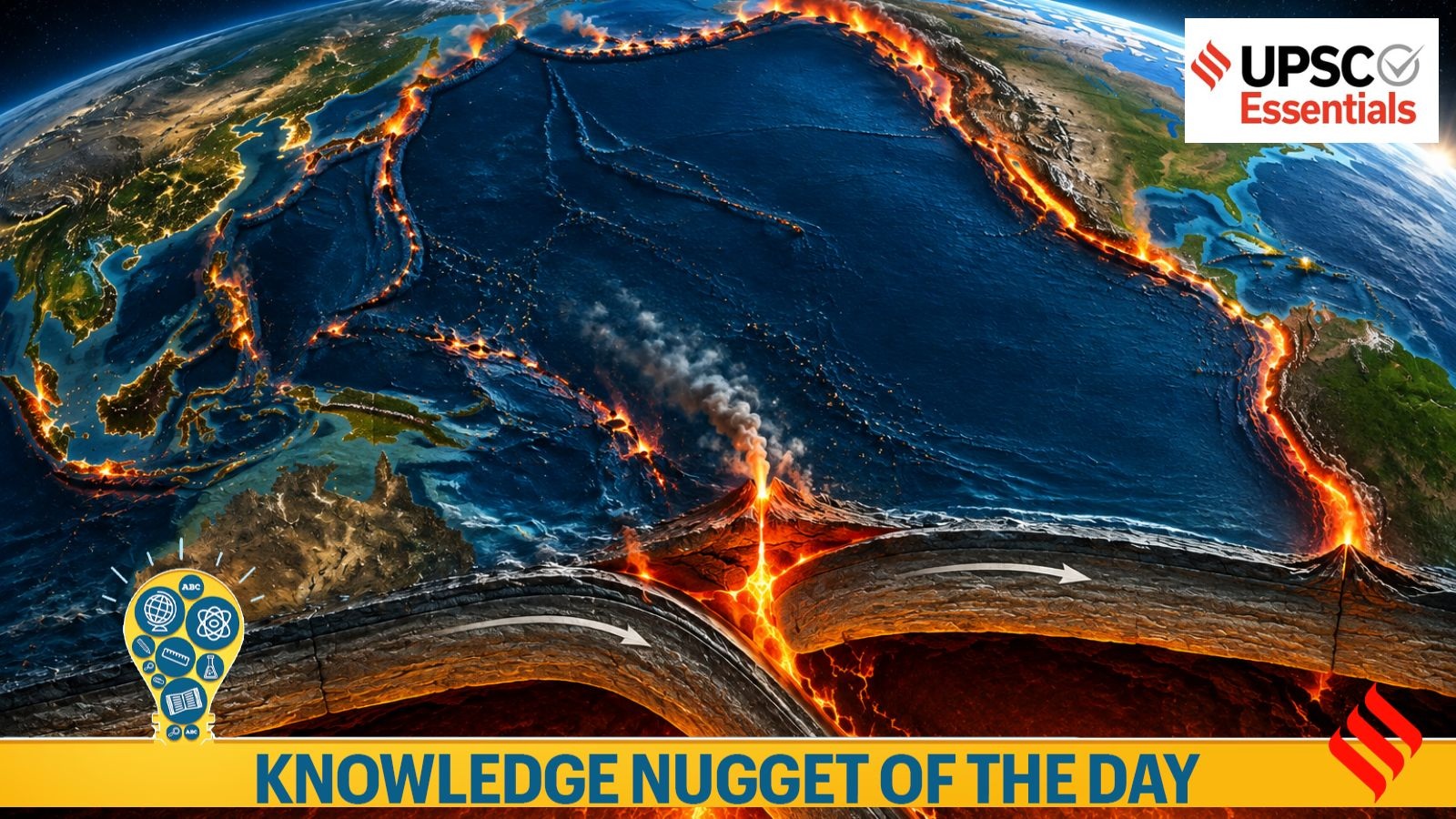
The Pacific Ring of Fire is a large, curved area around the Pacific Ocean.
Many pieces of Earth’s outer shell, called tectonic plates, meet there.
These plates move very slowly, but they can push, pull, or slide against one another.
When one plate sinks beneath another, the process is called subduction.
Subduction can create deep ocean trenches, volcanoes, and powerful earthquakes.
The earthquake near Indonesia happened in one of the world’s most active earthquake regions.
It caused deaths and injuries and led authorities to issue a tsunami warning.
The warning was later cancelled after no major continuing tsunami threat was found.
Not every earthquake in the region happens in the same way, because some occur when plates slide sideways along faults.

A magnitude 7.7 earthquake struck off Indonesia’s Flores region at 5:58 a.m. local time.
The quake occurred about 10 kilometres deep, roughly 68 kilometres north-northwest of Ende.
Indonesia’s disaster agency reported at least 51 deaths and dozens of injuries.
A tsunami warning was issued for parts of Indonesia’s eastern coast and later lifted after no continuing major threat was detected.
The Pacific Ring of Fire spans more than 40,000 kilometres and contains about 75% of the world’s volcanoes and 90% of its earthquakes.
- Who
- Residents and authorities in Indonesia were affected; the United States Geological Survey reported the earthquake’s location and magnitude.
- What
- A magnitude 7.7 earthquake struck off the Flores region, causing deaths and injuries and triggering a temporary tsunami warning.
- Where
- The epicentre was about 68 kilometres north-northwest of Ende in East Nusa Tenggara, Indonesia, at a depth of approximately 10 kilometres.
- When
- The earthquake struck at 5:58 a.m. local time on a Saturday; the supplied article does not specify the calendar date.
- Why
- The earthquake occurred amid tectonic activity around the Pacific Ring of Fire, where several plates interact along active boundaries.
Established explanations
Alternative or differing interpretations
Main cause of Ring of Fire volcanism
Established explanations
Most volcanism associated with the classic Ring of Fire is linked to subduction, in which one tectonic plate sinks beneath another and generates magma.
Alternative or differing interpretations
Some volcanic activity is attributed to mantle plumes, or unusually hot upwellings from within the mantle; their exact nature and origin remain scientifically uncertain.
How earthquakes occur in the Pacific seismic belt
Established explanations
Many of the largest earthquakes and tsunamis occur at subduction zones, where stress builds along the boundary between converging plates and is released suddenly.
Alternative or differing interpretations
Not every earthquake in the broader Ring of Fire is caused by subduction. The western Colombia earthquake described in the article was a strike-slip event involving mainly horizontal movement along a fault.
Key facts
- Magnitude
- 7.7
- Epicentre
- Approximately 68 kilometres north-northwest of Ende, East Nusa Tenggara
- Depth
- About 10 kilometres
- Reported casualties
- At least 51 people killed and dozens injured
- Tsunami response
- A warning for parts of Indonesia’s eastern coast was later lifted; small waves were recorded in some coastal areas.
- Ring of Fire length
- More than 40,000 kilometres
- Global geological activity
- The region contains about 75% of the world’s volcanoes and approximately 90% of its earthquakes.
Sources
Related news
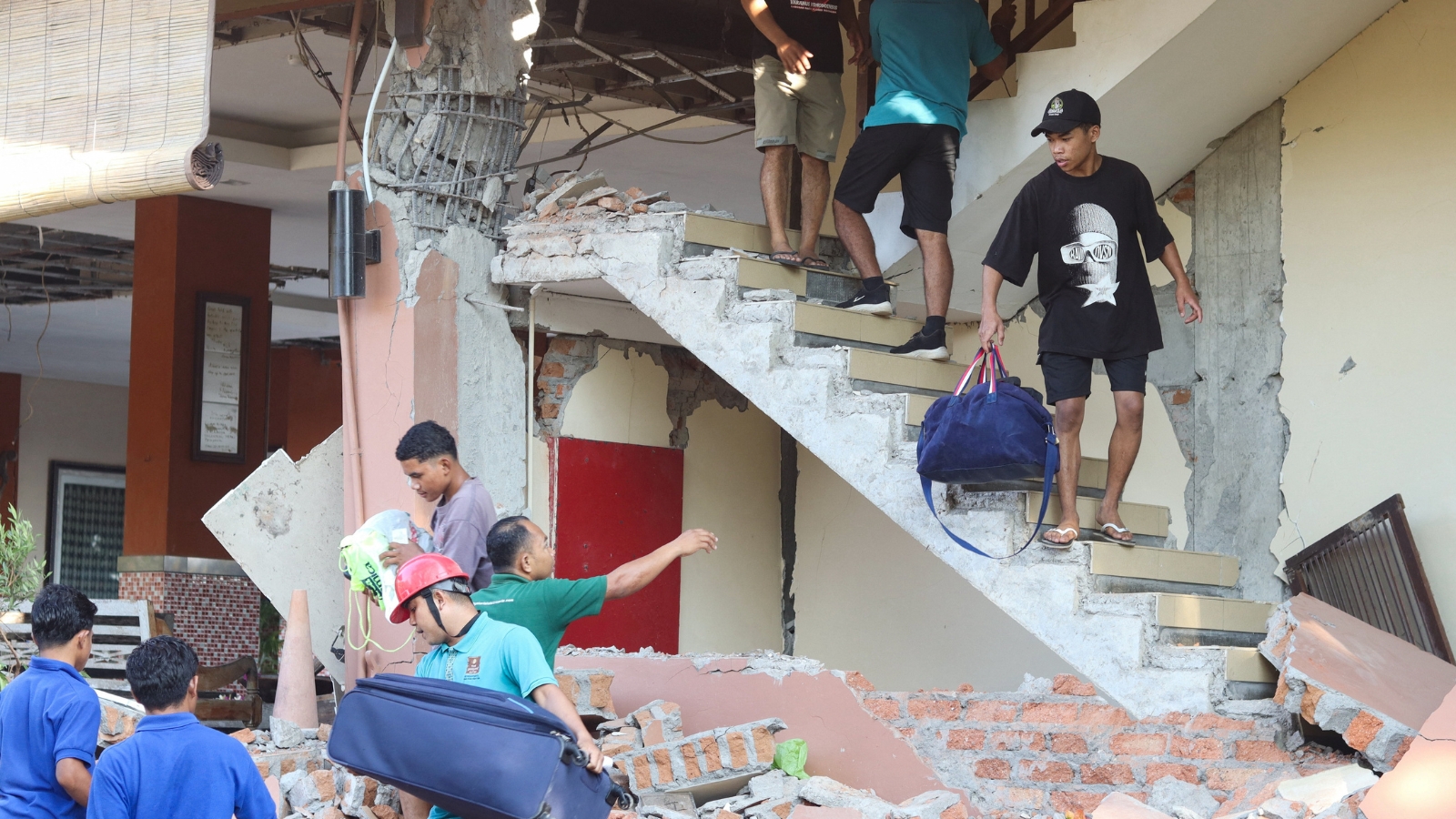
Powerful earthquakes hit Indonesia, Colombia as Ring of Fire stirs
7.7 Magnitude Earthquake Strikes Indonesia's Flores Island, Tsunami Warning Issued
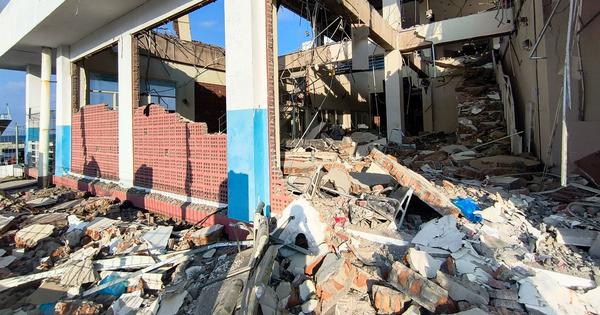
At least 38 dead as 7.7-magnitude earthquake strikes eastern Indonesia

7.7 Magnitude Earthquake Strikes Indonesia's Flores, Killing at Least 38

Powerful Quakes Rock Indonesia, Leaving 40 Dead on Flores Island
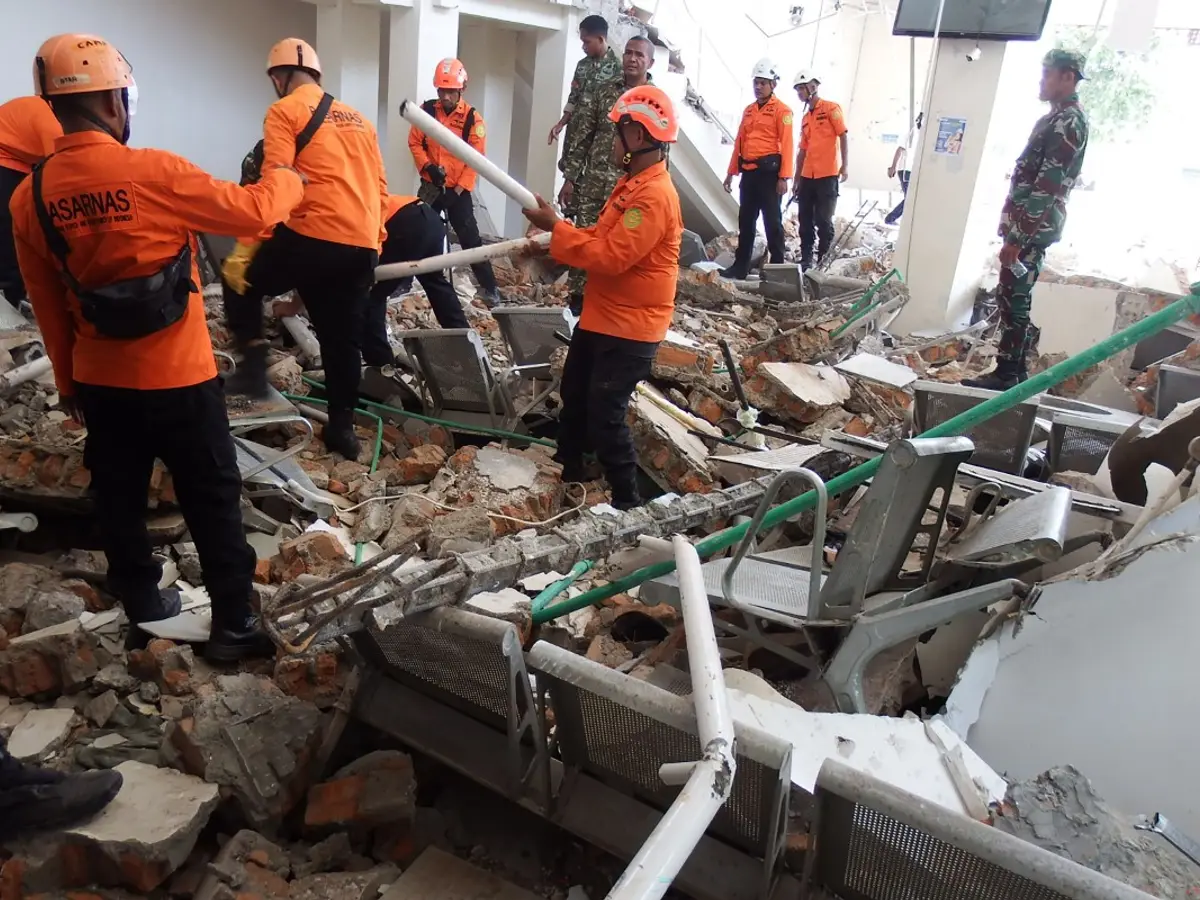
Indonesia 7.7-magnitude quake kills 20, triggers tsunami warning
UPSC Essentials International Relations Subject Quiz Week 175 With Explanations
