1 hr ago
Hawaii Tests Recycled Plastic Asphalt on Oahu Road
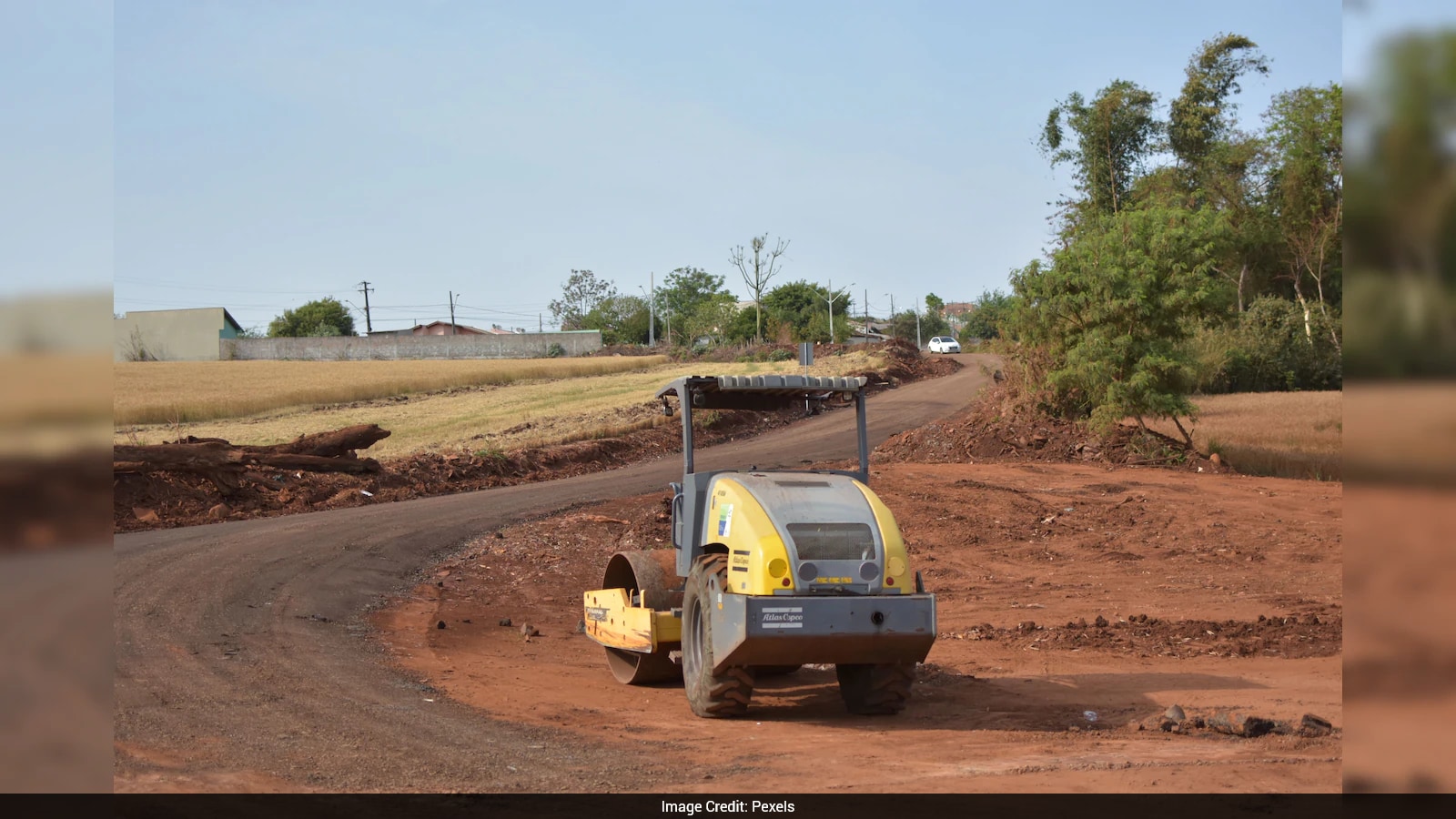
Hawaii tested whether old plastic could be mixed into road asphalt.
The plastic was not used to make the entire road.
Instead, it was added to a normal asphalt mixture.
The amount of recycled plastic was equal to nearly 195,000 bottles.
Researchers built another nearby road section without the recycled plastic for comparison.
They watched both sections as cars drove over them for 18 months.
They also checked whether tiny pieces called microplastics might enter the environment.
So far, the researchers said the results were encouraging, and nearby residents said the road felt smoother.

Hawaii transportation officials began a recycled-plastic asphalt pilot project on Oahu on October 11, 2022.
The project used about 1,950 tons of plastic-modified asphalt, equivalent to nearly 195,000 plastic bottles.
Researchers compared the experimental pavement with a control section made from polymer-modified asphalt.
University of Hawaii at Manoa researchers monitored the road for 18 months, including potential microplastic release.
Residents reported that Fort Weaver Road near Puuloa Beach Park appeared noticeably smoother, while researchers said findings were encouraging.
- Who
- The Hawaii Department of Transportation, the University of Hawaii at Manoa, and other organizations conducted the pilot project; Professor Adrian Ricardo Archilla was among the researchers.
- What
- Officials tested asphalt containing recycled plastic and studied its road performance and possible microplastic release.
- Where
- The project took place along Fort Weaver Road near Puuloa Beach Park in Ewa Beach, on Oahu, Hawaii.
- When
- Work began on October 11, 2022, and researchers evaluated the pavement over 18 months.
- Why
- Officials wanted to determine whether recycled plastic could be added to asphalt without reducing pavement performance and whether recycled materials could be used more extensively in future roads.
Recycling and road-performance benefits
Environmental caution and testing
Use of recycled materials
Recycling and road-performance benefits
Officials and researchers are testing whether recycled plastic and higher proportions of recycled asphalt can reduce waste while maintaining or improving road performance.
Environmental caution and testing
Researchers are examining what happens to the plastic as vehicles repeatedly drive over the pavement, including whether it releases microplastics into the surrounding environment.
Early assessment
Recycling and road-performance benefits
Researchers said findings so far were encouraging, and residents near the project reported that the road had become noticeably smoother.
Environmental caution and testing
The pavement was a pilot project still undergoing evaluation, so researchers had not finished determining its long-term environmental effects.
Key facts
- Plastic equivalent
- Nearly 195,000 plastic bottles
- Plastic-modified asphalt
- Approximately 1,950 tons
- Project start
- October 11, 2022
- Evaluation period
- 18 months
- Comparison surface
- Polymer-modified asphalt control section
- Additional material studied
- Asphalt mixtures containing 50 percent recycled asphalt pavement
- Reported early results
- Researchers described microplastic findings as encouraging, and residents reported a smoother road
Sources
Related news
Costa Rican Mother Gets Recycled-Plastic Home After Nine-Year Savings
New ₹45 Lakh Khandwa Road Develops Potholes Within Two Months

Nashik Rider Falls on Muddy, Pothole-Ridden Makhmalabad Road

Astronaut-Dressed Residents Step Into Potholes To Protest Jaipur's Damaged Roads

YSRCP Stages Innovative Protest Over Damaged Rajamahendravaram Road

Study Finds Hot Takeaway Paper Cups Release Millions Of Microplastics

Hawaii Declares Emergency as Hurricane Lowell Strengthens Near Islands

Bryan Fogel’s The Row Chronicles Tez Steinberg’s Ocean Quest

China’s Hypersonic Weapons Could Threaten Aircraft Near US Bases

Tropical Storm Moke Brings More Rain to Flooded Hawaii