1 hr ago
Coolant Helps Keep Vehicle Engines at Safe Temperatures
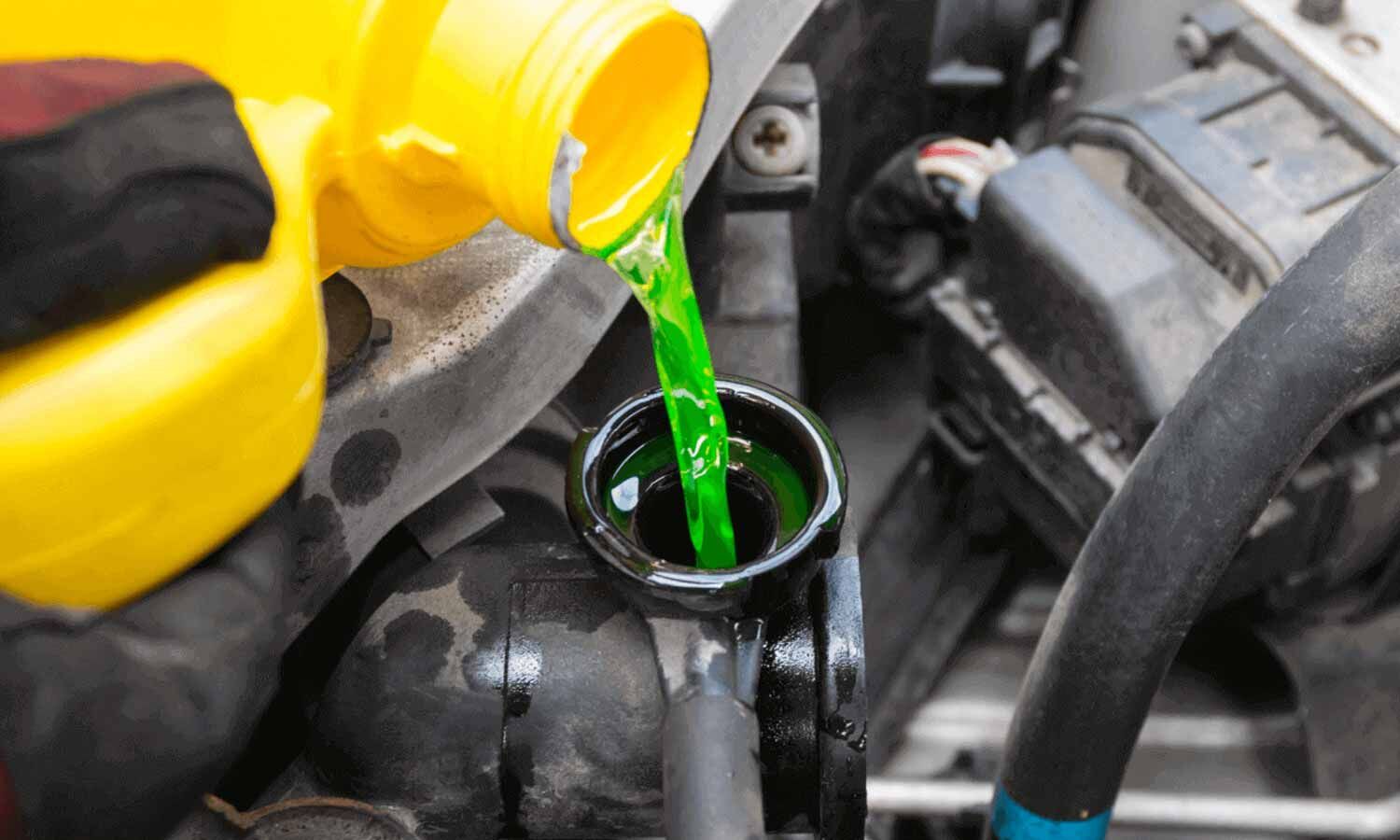
A car engine gets very hot while it runs.
Coolant is a liquid that travels through the engine and picks up extra heat.
It then goes to the radiator, where it cools down.
After that, it travels through the engine again.
This cycle helps the engine stay at a safe temperature.
In cold weather, antifreeze in the coolant helps stop the liquid from freezing.
Keeping the cooling system working properly helps protect the engine.

Coolant, also called antifreeze, helps keep a vehicle’s engine at its optimum operating temperature.
It circulates through passages in the engine block and cylinder head, absorbing heat from combustion.
The heated coolant flows to the radiator, where it cools before circulating back through the engine.
Without an effective cooling system, an engine can overheat, lose performance, or suffer damage.
Antifreeze in the coolant mixture helps prevent freezing and engine-component damage in cold weather.
- Who
- Vehicle owners and drivers.
- What
- Coolant circulates through the engine and radiator to help regulate engine temperature.
- Where
- Through passages in the engine block and cylinder head, and through the radiator.
- When
- During vehicle operation, in both hot and cold weather.
- Why
- To help prevent overheating in warm conditions and freezing-related damage in cold conditions.
Key facts
- Other name
- Antifreeze
- Main role
- Helps maintain the engine's optimum operating temperature
- Heat source
- Combustion in the engine
- Coolant route
- Engine passages to radiator and back
- Hot-weather benefit
- Helps prevent engine overheating
- Cold-weather benefit
- Helps prevent coolant from freezing and damaging engine components
Sources
Related news

Microsoft Announces Hyderabad Cloud Region With Near-Zero Water Cooling
Failing Car Batteries Can Cause Starting and Safety Problems
Salt Deficiency Can Affect Fluid Balance, Nerves and Muscles

Why Calf Muscles Are Called the Body’s Second Heart
Car Battery Buying Tips for Choosing the Right Replacement