

11 hrs ago
Visa, Mastercard Build Trust Framework for AI Shopping Agents
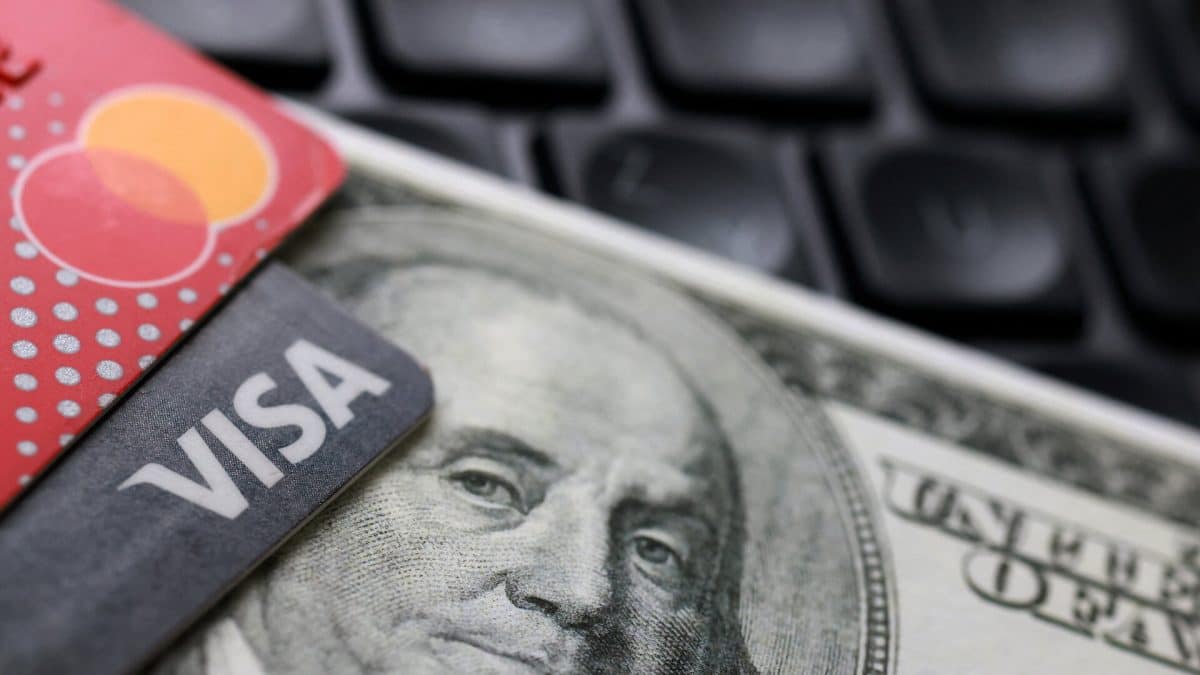
AI programs may soon be able to shop and pay for people.
A person could tell an agent to find an item under a certain price and buy it.
The agent would need permission to use the person’s money.
Visa, Mastercard and Ant International are working on a shared way to check whether an agent is real and trusted.
The system could also show who approved the agent and what it is allowed to buy.
This matters because different banks, stores, wallets and payment networks use different systems.
The International Monetary Fund has warned that AI decisions may not always fit payment systems’ strict rules.
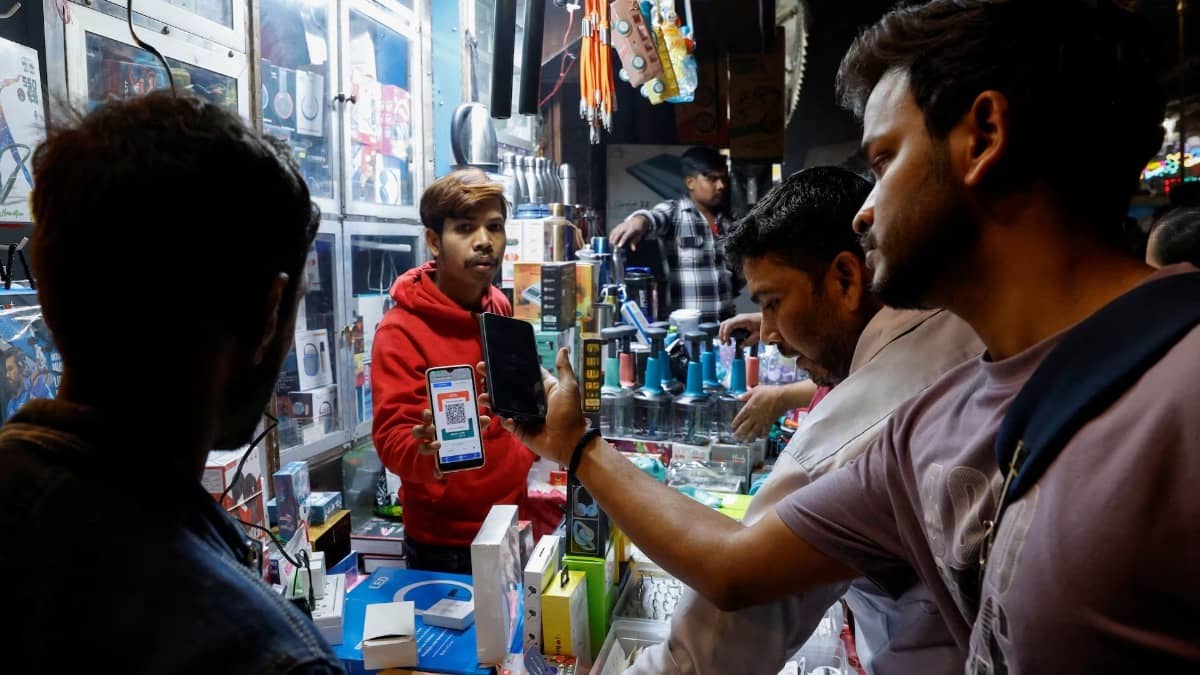
India is also exploring a way for agents to make some small UPI payments without asking for approval each time.
These systems are intended to make AI shopping useful while limiting unauthorized or risky spending.

Visa, Mastercard and Ant International are developing a shared Know-Your-Agent framework for agentic commerce.
The framework would help payment networks, wallets, AI platforms and marketplaces identify trusted agents across different systems.
AI agents could search, compare and buy products within user-defined permissions, prices, merchants and spending limits.
The initiative combines Visa’s Trusted Agent Protocol, Mastercard’s Verifiable Intent and Ant International’s Agentic Mobile Protocol.
India is considering a Unified Agent Protocol for low-value UPI payments, with rules for limits, identity, delegation and liability.
- Who
- Visa, Mastercard and Ant International are collaborating, while the International Monetary Fund and India’s payments ecosystem are also involved in the wider issue.
- What
- The companies are developing a Know-Your-Agent interoperability framework to help payment participants identify, authorize and manage AI agents that make purchases.
- Where
- The framework concerns international card, wallet and marketplace systems, while a related agentic-payments effort is being prepared in India through UPI.
- When
- The collaboration was announced on Thursday; the article also refers to an International Monetary Fund note from April 2026 and UPI figures from August 2026.
- Why
- AI agents may soon make purchases autonomously, creating a need to verify their identity, permissions, spending limits and transaction risks.
Potential benefits
Trust and security concerns
Interoperability
Potential benefits
A shared framework could let card networks, wallets, AI platforms and marketplaces recognize trusted agents without building separate connections between every participant.
Trust and security concerns
Agents, merchants, wallets and payment networks may operate on different systems, making it difficult to verify which agent acted and whether it was authorized.
Delegated spending
Potential benefits
Users could delegate routine purchases to agents using defined prices, merchants, spending limits and other rules, reducing the need to approve every transaction.
Trust and security concerns
The International Monetary Fund highlighted a gap between what users intend and what agents actually do, creating questions about authorization, compliance, liability and risk.
Market development
Potential benefits
The companies say greater visibility into risks and lower integration costs could accelerate new agentic payment services.
Trust and security concerns
Payment providers would need to establish that an agent is genuine, identify its authorizer and confirm that each transaction remains within the granted permissions.
Key facts
- Companies involved
- Visa, Mastercard and Ant International
- Framework
- Know-Your-Agent interoperability framework
- Existing technologies
- Visa Trusted Agent Protocol, Mastercard Verifiable Intent and Ant International Agentic Mobile Protocol
- Potential agent permissions
- Product types, merchant choices, prices and spending limits set by users
- India proposal
- Unified Agent Protocol for initially low-value and routine UPI purchases
- UPI activity cited
- 24.51 billion transactions worth Rs 29.82 trillion ($314.21 billion) in August 2026
- Key concern
- Payment systems must reconcile probabilistic AI decisions with deterministic authorization, compliance and settlement rules
Sources
Related news
India Considers AI Agents for Automated UPI Payments

Agentic Commerce Needs Human Control As AI Agents Shop
India Plans Agentic AI Payments Through Popular UPI Network

SBI Chairman Calls for Know Your Agent Framework
SBI Plans Agentic AI to Improve Banking Efficiency and Safeguards

Razorpay Launches AI-Powered Vulcan With NVIDIA, AWS For Payments
India Stalls Alipay+ UPI Link Over Security Concerns

BBC's Panorama: Not a 'Hatchet Job' on Trump, Says Former Guardian Editor

Danny Tipping Launches Longwave Studios with True Crime Doc

Blue Ant Media Acquires MagellanTV in $12M Deal
