

1 hr ago
Paramount Antitrust Settlement Clears Path for Warner Bros. Acquisition
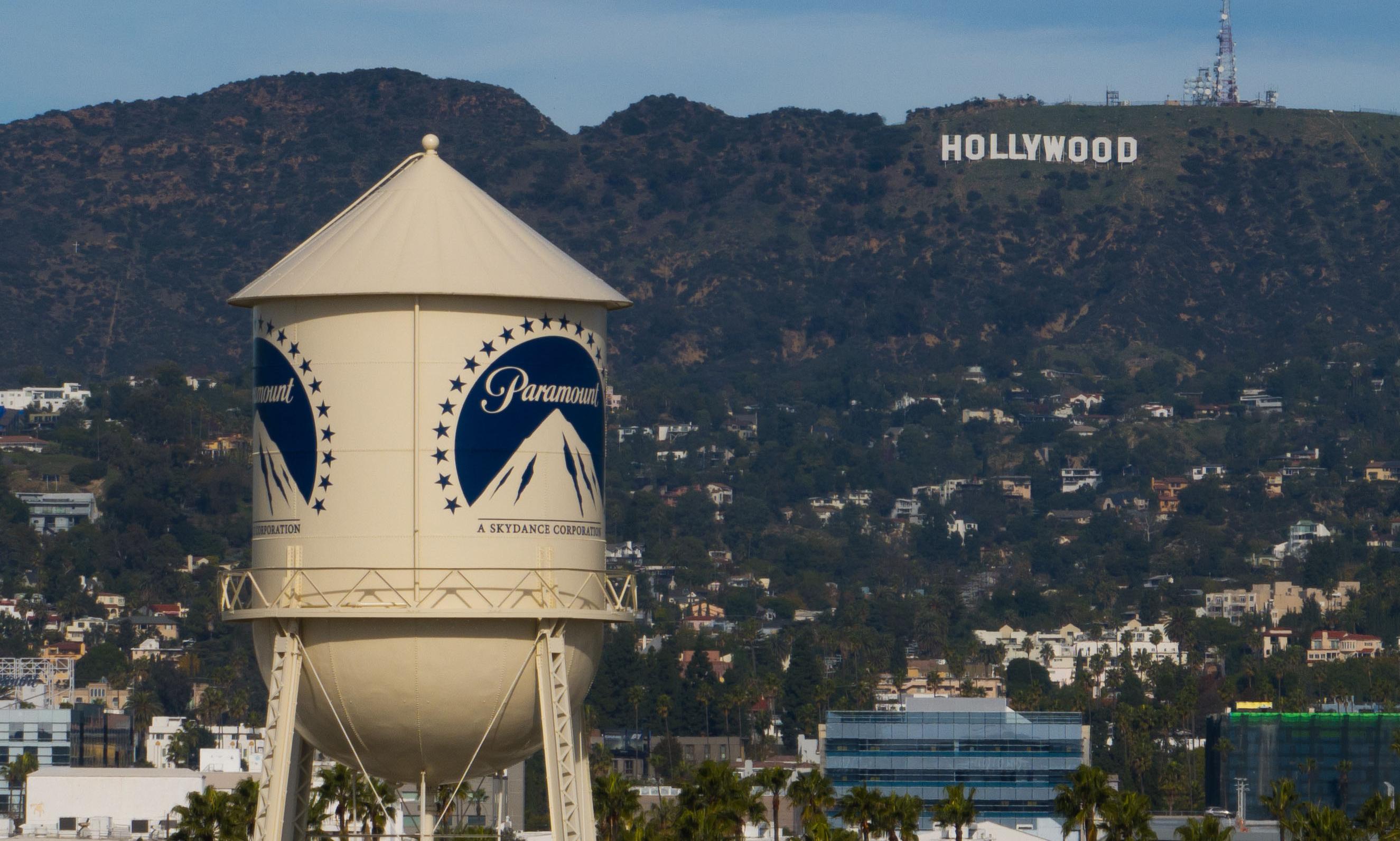
Paramount agreed to settle a lawsuit brought by 12 states.
The lawsuit was about whether its planned purchase of Warner Bros.
Discovery would reduce competition.
A judge must still approve the settlement.
If approved, the deal could reshape the movie business.
Paramount promises to spend $1.5 billion on movies made in the United States.
It also promises to support independent films and make a certain number of movies each year.
The company would create money and training programs for workers who lose their jobs.
Some officials say the agreement protects movie workers and production.
Critics worry that fewer competing companies could mean higher prices for viewers.

Paramount agreed to settle an antitrust lawsuit brought by 12 states, removing a major obstacle to its planned $81 billion acquisition of Warner Bros. Discovery.
The settlement requires Paramount to invest $1.5 billion in domestic films over five years and create a $25 million fund for independent films.
Paramount must produce 30 films annually for the first two years and 32 annually for the next three years, including at least four independent films each year.
The agreement creates a $47.5 million fund for laid-off workers and requires Paramount to honor existing collective bargaining agreements.
Analysts warn the acquisition could reduce competition and raise consumer prices, while the settlement still requires approval from a judge.
- Who
- Paramount and the attorneys general of 12 states are parties to the antitrust settlement; Warner Bros. Discovery is the proposed acquisition target.
- What
- Paramount agreed to settle an antitrust lawsuit while making commitments on film production, investment, workers, cable-channel negotiations, and editorial independence.
- Where
- The announcement was reported from New York, and the investment commitment concerns domestic, or U.S., film production.
- When
- The settlement was announced on Monday and covers commitments lasting five years.
- Why
- The settlement is intended to resolve the antitrust lawsuit and remove an obstacle to Paramount's planned $81 billion acquisition of Warner Bros. Discovery.
Supporters' View
Critics' View
Competition and consumer prices
Supporters' View
State attorneys general say the settlement addresses concerns about the transaction and guarantees continued investment in domestic movie production.
Critics' View
Analysts say the acquisition is still likely to reduce competition and lead to higher prices for consumers.
Movie production commitments
Supporters' View
Paramount's required production schedule and domestic investment could preserve film output and expand support for independent movies.
Critics' View
The commitments do not resolve broader concerns about how the combined company could affect competition across the movie industry.
Workforce protections
Supporters' View
The workforce fund, existing labor agreements, and good-faith bargaining requirements provide protections for workers affected by layoffs.
Critics' View
Paramount has said it will seek about $6 billion in savings through job cuts in duplicative operations, creating concern about employment losses.
Key facts
- Proposed acquisition
- Paramount plans to acquire Warner Bros. Discovery for $81 billion.
- Domestic film investment
- Paramount agreed to spend $1.5 billion over five years, or $300 million annually, on domestic films.
- Independent film fund
- Paramount will create a five-year fund worth $25 million to buy independent films.
- Production schedule
- The company agreed to make 30 films annually for two years and 32 annually for the following three years.
- Independent releases
- Paramount agreed to release at least four independent films each year.
- Worker support
- A $47.5 million fund will support training and career development for laid-off workers.
- Settlement status
- The agreement still requires approval from a judge.
Quotes
Mike Proulx
Forrester research director commenting on consumers’ concerns about the proposed merger
“Where I’m looking at this is through the consumer’s point of view and resoundingly consumers are concerned about price hikes and they are preparing for price hikes. They care less about the theatrical releases and some of the other industry terms. What they care about is how this is going to hit their wallets.”
 deccanchronicle.com
Sources
Related news
Paramount-Warner Bros Merger Clears Final Major Antitrust Hurdle

States Settle Paramount-Warner Lawsuits, Clearing Hurdle For Mega-Merger

Paramount Discusses Major Concessions to Advance Warner Bros. Deal

Paramount-Warner Merger Settlement Talks Advance Amid Antitrust Lawsuit

Paramount Settlement Talks Include California Commitment and Asset Sales
Tom Cruise Backs Paramount-Warner Bros. Deal, 30-Film Promise
Paramount-Warner Bros. Merger Could Cost 4,500 Los Angeles Jobs

Katie Martin Kelley Exits Warner Bros for Netflix VP Communications Post
Paramount may leave California if merger misses October deadline

California AG Bonta Open to Structural Remedies in Paramount-WBD Suit
