6 days ago
Delhi Police Opposes Fresh Bail Pleas in Delhi Riots Case
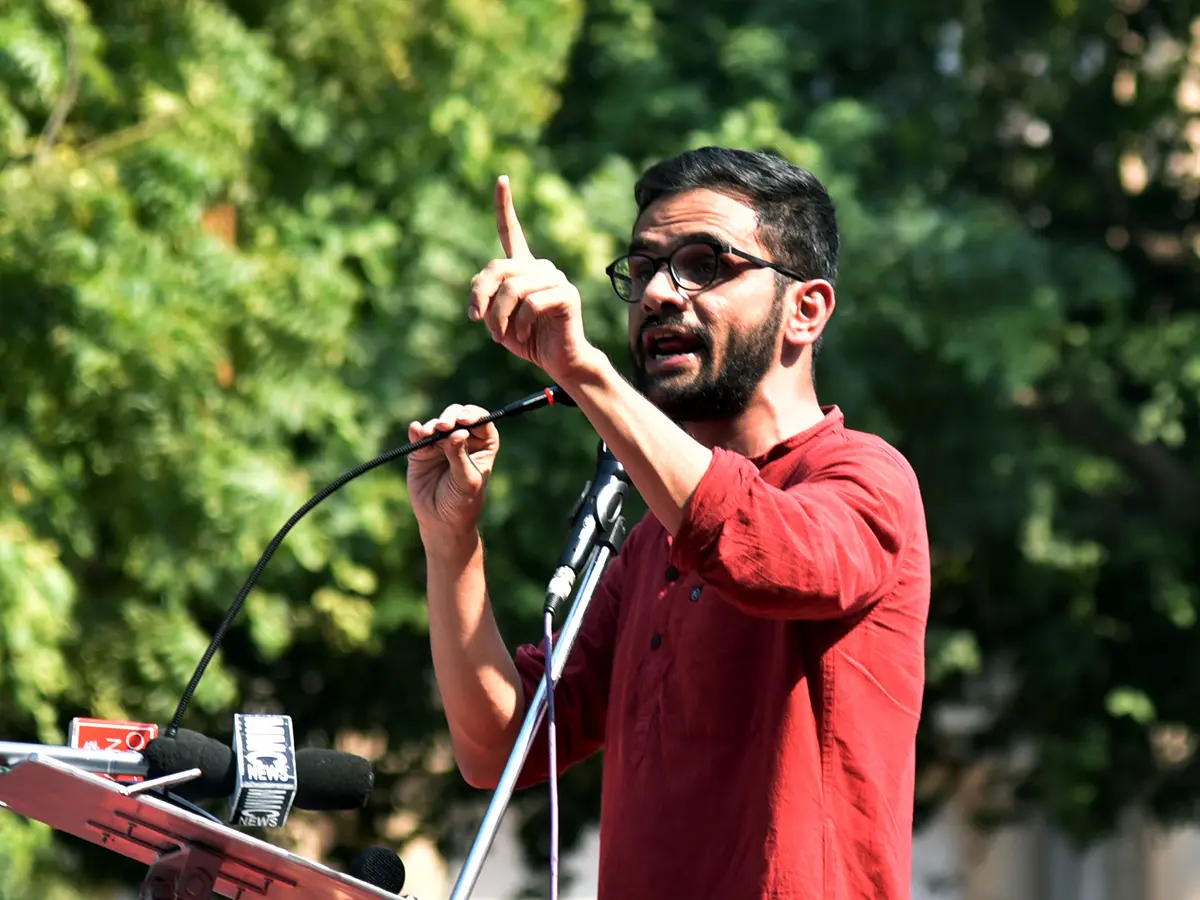
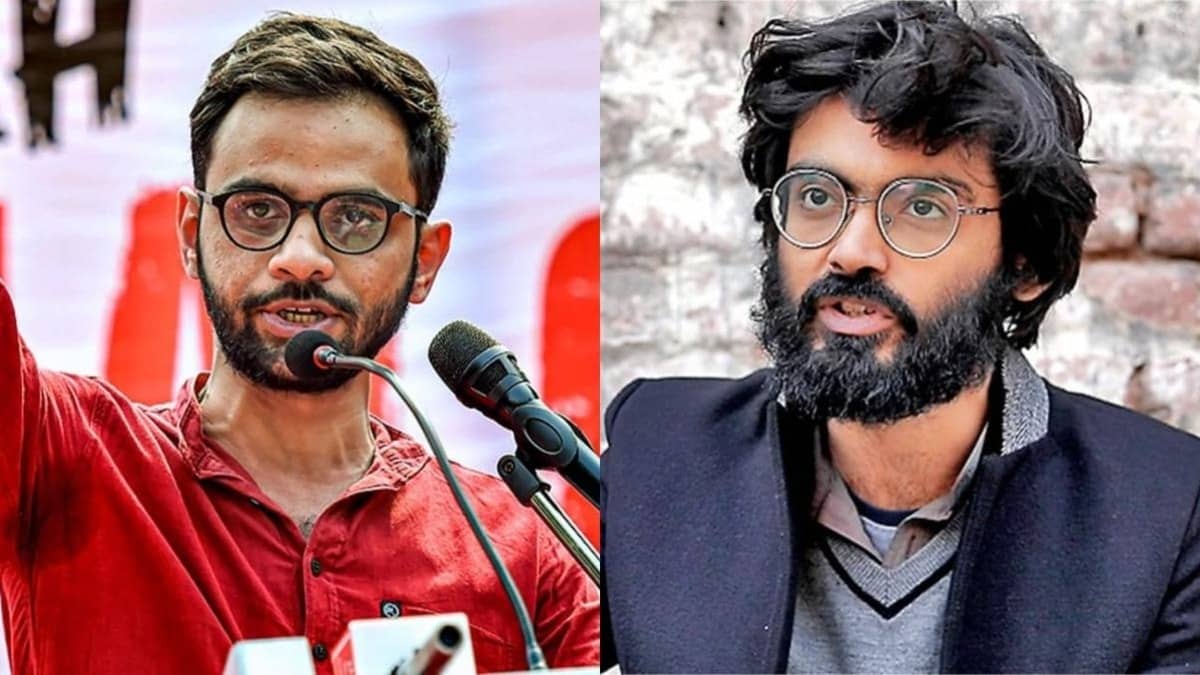
Delhi Police wants the High Court not to accept new bail requests from Umar Khalid and Sharjeel Imam yet.
The requests relate to the 2020 Delhi riots case.
Police says the Supreme Court set rules about when the two men could ask for bail again.
They could do so after certain protected witnesses were questioned or after one year from January 5, 2026, whichever happened first.
The State says neither event had happened when the new pleas were filed.
Police also says evidence points to important alleged roles for both men.
This evidence includes digital messages, recoveries and statements.
The defence has relied on later Supreme Court decisions, but the State says those decisions do not change the earlier directions.
The State also says a law limiting bail in certain cases still applies.

Delhi Police has asked the Delhi High Court to reject fresh bail pleas by Umar Khalid and Sharjeel Imam.
The State says the pleas were filed before the stage set by the Supreme Court for renewing bail applications.
That stage arrives after protected witnesses are examined or one year passes from January 5, 2026, whichever comes first.
Police cites alleged central roles, recoveries, digital communication trails and witness statements against both accused.
The State says Section 43D(5) of the Unlawful Activities (Prevention) Act continues to restrict bail and that later rulings do not override earlier directions.
- Who
- Delhi Police, Umar Khalid, Sharjeel Imam and the Delhi High Court.
- What
- The State has opposed fresh bail pleas filed by Khalid and Imam in the 2020 Delhi riots case.
- Where
- Before the Delhi High Court in proceedings concerning the 2020 Delhi riots case.
- When
- The relevant Supreme Court judgment was issued on January 5, 2026; a later order mentioned by the State was issued on May 22, 2026.
- Why
- The State says the pleas were filed too early, that evidence indicates central alleged roles, and that the statutory bail restrictions remain applicable.
Delhi Police and State
Umar Khalid and Sharjeel Imam
Timing of the bail pleas
Delhi Police and State
The State says the Supreme Court allowed renewed bail pleas only after protected witnesses were examined or one year had passed from January 5, 2026, and argues that neither condition had occurred.
Umar Khalid and Sharjeel Imam
The accused filed fresh bail proceedings and relied on the Supreme Court’s grant of liberty and subsequent legal developments, according to the State’s account.
Effect of later Supreme Court rulings
Delhi Police and State
The State argues that Syed Iftikhar Andrabi v. NIA arose in a different case and cannot override the specific directions in Gulfisha Fatima v. State (NCT of Delhi). It also says referring the issue to a larger bench does not unsettle existing law.
Umar Khalid and Sharjeel Imam
The defence has relied on later Supreme Court developments, including Syed Iftikhar Andrabi, in support of the fresh proceedings.
Alleged roles and bail restrictions
Delhi Police and State
Police relies on alleged mastermind roles, evidence of planning and mobilisation, and the continuing applicability of Section 43D(5) to oppose bail.
Umar Khalid and Sharjeel Imam
The fresh pleas seek consideration despite the State’s reliance on earlier findings and the statutory bail bar; the articles do not provide the applicants’ detailed response to those allegations.
Key facts
- Case
- 2020 Delhi riots case
- Applicants
- Umar Khalid and Sharjeel Imam
- State’s position
- The fresh bail proceedings are misconceived and illegal.
- Renewal condition
- Bail pleas may be renewed after protected witnesses are examined or one year passes from January 5, 2026, whichever comes first.
- Evidence cited
- Recoveries, digital communication trails and statements indicating managerial responsibility.
- Legal provision
- Section 43D(5) of the Unlawful Activities (Prevention) Act.
- Later legal development
- The State says differences between relevant Supreme Court rulings were referred to a larger bench on May 22, 2026.
Sources
Related news

Delhi Police Opposes Fresh Bail Pleas in 2020 Riots Case

Supreme Court Seeks Delhi Police Reply on Athar Khan Bail

Intellectuals Urge CJI to Uphold Liberty in Umar Khalid Case

Delhi High Court admits appeals in Ankit Sharma murder case

Allahabad High Court Rejects Bail Plea of Atiq Ahmed’s Son

Delhi High Court Denies Sushil Kumar Bail in Murder Case
Two Years After RG Kar Doctor's Rape-Murder, Case Remains Unresolved

ED widens Chhattisgarh probes with two arrests and searches
Delhi High Court Orders Madhya Pradesh to Pay Advocate Dues
Haryana sanitation workers’ strike puts BJP government under pressure
Orissa High Court Says Brothel Customers Cannot Face Trafficking Charges