6 days ago
Supreme Court Seeks Delhi Police Reply on Athar Khan Bail

Athar Khan has asked India’s Supreme Court to release him on bail.
His case is connected to the February 2020 riots in Delhi.
The police accuse him of helping plan protests that became violent.
Khan’s lawyers say he had a smaller role and has already spent six years in jail.
They also point out that some other accused people received bail.
The Delhi High Court disagreed and said Khan’s alleged role was more serious.
The Supreme Court has now asked Delhi Police to respond.
It has not yet decided whether Khan will receive bail.
The court will consider the matter again after eight weeks.

The Supreme Court issued notice to Delhi Police on Athar Khan’s bail plea in the UAPA larger-conspiracy case.
Khan is challenging the Delhi High Court’s July 7 decision refusing him bail.
The High Court called Khan a main conspirator rather than a local-level operator in the February 2020 riots.
Khan’s lawyers cited his six years in custody and bail granted to similarly placed co-accused.
The case concerns alleged violence during protests against the Citizenship (Amendment) Act and the National Register of Citizens.
- Who
- Athar Khan, Delhi Police, the Delhi High Court, and the Supreme Court are involved.
- What
- The Supreme Court sought Delhi Police’s response to Khan’s appeal for bail in a UAPA case.
- Where
- The case concerns alleged events at Chand Bagh in northeast Delhi and the February 2020 Delhi riots.
- When
- The Supreme Court issued notice and ordered the matter to be listed after eight weeks; Khan was arrested in July 2020.
- Why
- Khan seeks release from custody, while authorities allege he was a main conspirator in violence that caused deaths and property destruction.
Khan’s Defense
Police and High Court’s Case
Extent of Khan’s role
Khan’s Defense
Khan’s counsel describes him as a local-level facilitator and argues that his role was similar to that of co-accused who received bail.
Police and High Court’s Case
The High Court said Khan was one of the main conspirators, not merely a local-level operator, and that his role was clearly distinguishable from those co-accused.
Evidence and alleged intent
Khan’s Defense
The defense seeks bail while challenging the conclusions used to deny relief and points to Khan’s six years in custody.
Police and High Court’s Case
The High Court relied on material including a protected witness statement, saying Khan continued to pursue violent protests and was prima facie linked to deaths and destruction of property.
Bail standard
Khan’s Defense
Khan is asking the Supreme Court to overturn the High Court’s refusal and grant him bail.
Police and High Court’s Case
The High Court held that the strict bail test under Section 43D(5) of the UAPA was not satisfied because of Khan’s alleged role.
Key facts
- Case
- UAPA case concerning the alleged larger conspiracy behind the February 2020 Delhi riots
- Supreme Court action
- Notice issued to Delhi Police; matter listed after eight weeks
- Earlier High Court ruling
- Bail denied on July 7 after the trial court also rejected bail on January 29
- Arrest
- Khan was arrested in July 2020
- Reported toll
- The riots left 53 people dead and more than 700 injured
- Legal provision
- Section 43D(5) of the Unlawful Activities (Prevention) Act, 1967
- Alleged role
- Police accuse Khan of helping organise protests at Chand Bagh, delivering inflammatory speeches, and coordinating the destruction of CCTV cameras
Quotes
Supreme Court bench
The two-judge Supreme Court bench hearing Athar Khan’s bail appeal.
“Issue notice. List after eight weeks”
 deccanchronicle.com
“time has come to burn Delhi”
deccanchronicle.com
Sources
Related news

Delhi Police Opposes Fresh Bail Pleas in 2020 Riots Case
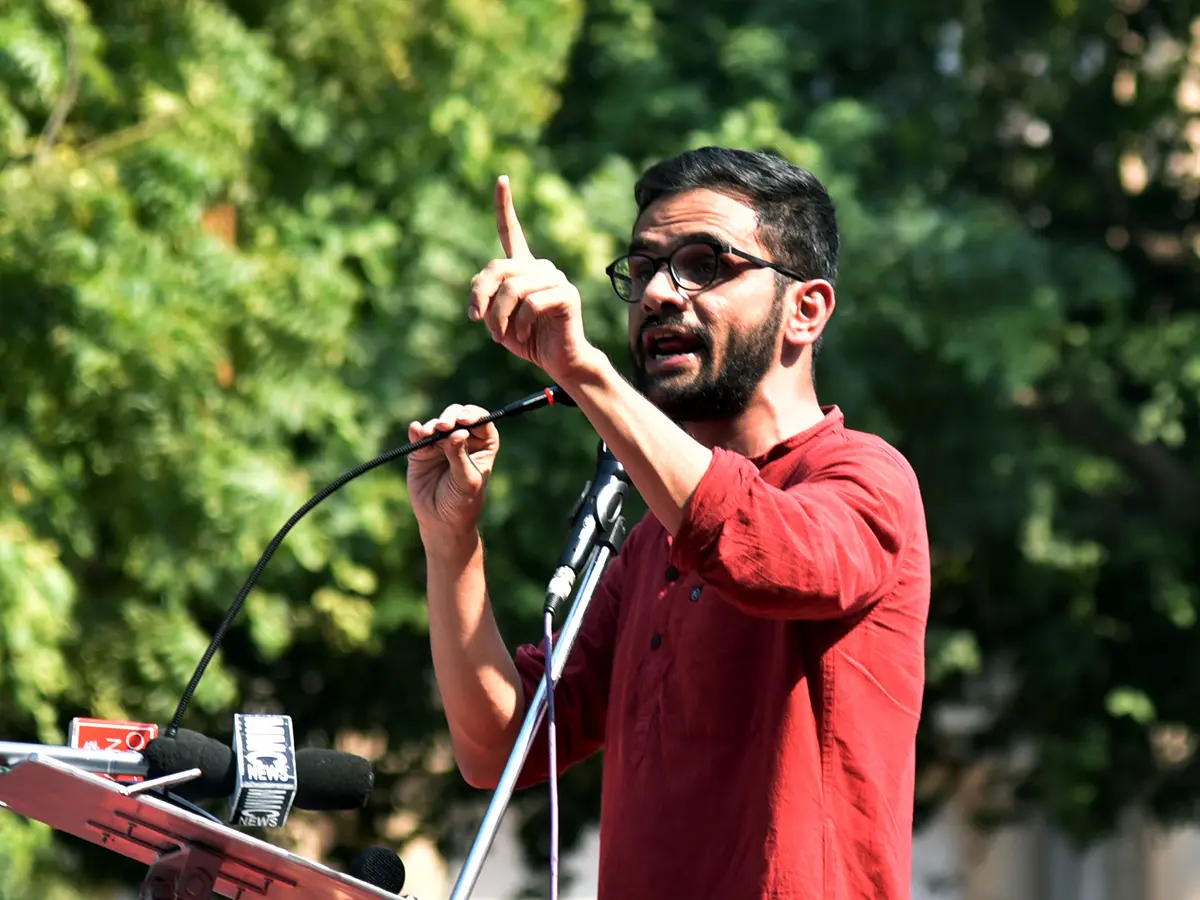
Delhi Police Opposes Fresh Bail Pleas in Delhi Riots Case

Intellectuals Urge CJI to Uphold Liberty in Umar Khalid Case

Delhi High Court admits appeals in Ankit Sharma murder case

Allahabad High Court Rejects Bail Plea of Atiq Ahmed’s Son
Supreme Court Seeks Police Reply on Balyan’s MCOCA Bail Plea
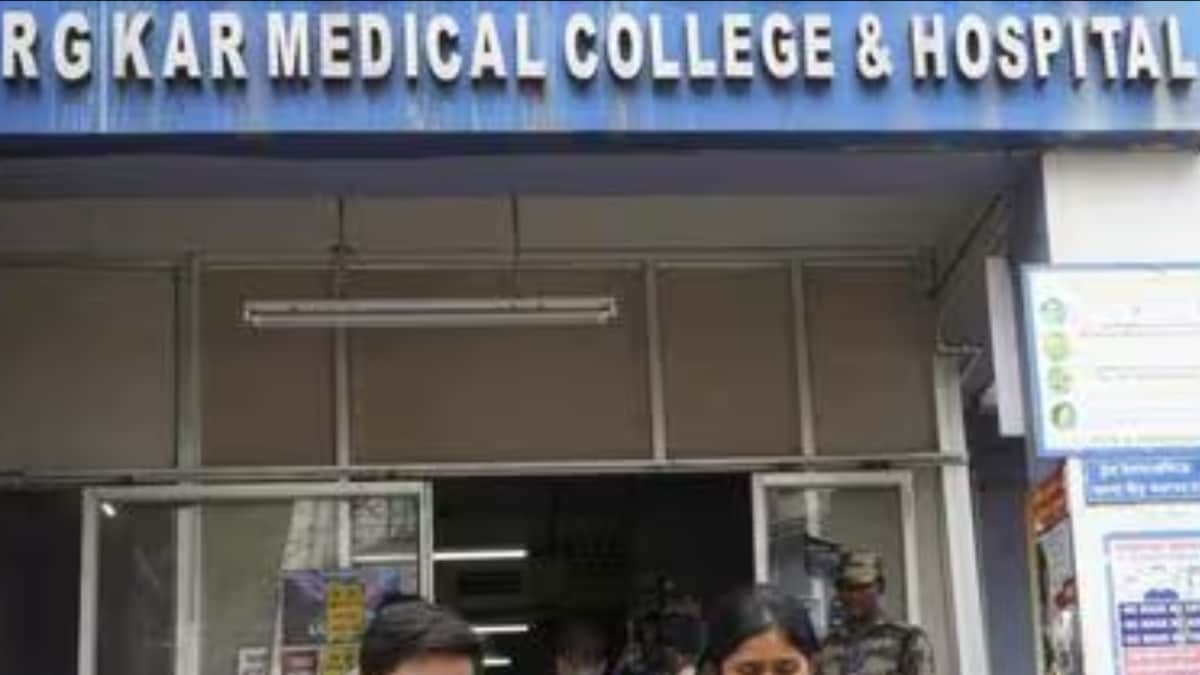
Two Years After RG Kar Doctor's Rape-Murder, Case Remains Unresolved

ED widens Chhattisgarh probes with two arrests and searches
Delhi High Court Orders Madhya Pradesh to Pay Advocate Dues
Haryana sanitation workers’ strike puts BJP government under pressure
Orissa High Court Says Brothel Customers Cannot Face Trafficking Charges