1 hr ago
Why Earphones Tangle: Physics, Movement, and Friction Explained
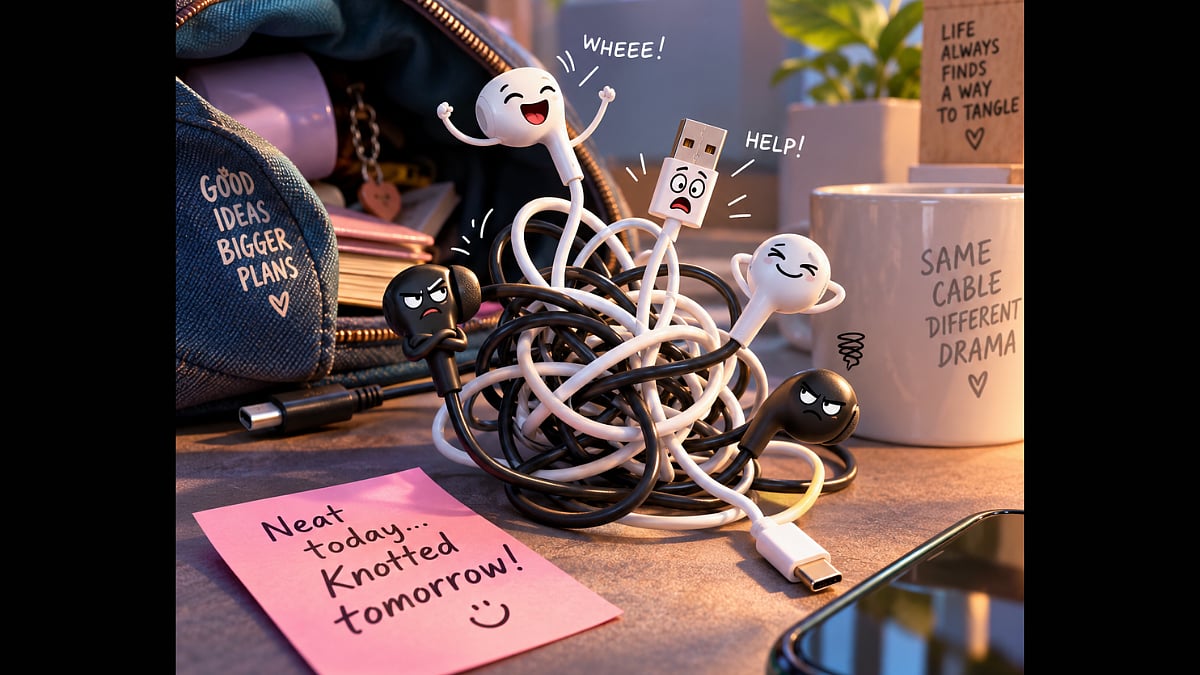
Earphones get tangled because their wires are flexible.
Flexible wires can bend and make loops very easily.
Moving your bag shakes the wires around.
Those movements can push one loop through another.
A messy shape has many more possible arrangements than a neat coil.
Friction makes the crossed wires grip each other.
Winding a cable repeatedly in one direction can add extra twists.
Coiling cables in a figure-eight and securing them can help.
The wires are not plotting against you; they are simply following the rules of physics.

Flexible wires can bend, twist, loop, and curl, creating many chances to tangle.
Movement inside bags can make cable loops slide through one another.
Random motion is more likely to turn a neat coil into a messy arrangement.
Friction can keep crossed wires from sliding back apart.
Figure-eight coiling, straps, separate pouches, and fewer repeated twists can help prevent tangles.
- Who
- Flexible wires, including earphones and charging cables, are involved.
- What
- The article explains why wires become tangled and how to reduce tangling.
- Where
- In bags and other places where cables are moved or stored.
- When
- Why
- Flexibility, random movement, friction, and repeated twisting cause wires to form and retain knots.
Key facts
- Main cause
- Physics, random movement, and friction
- Why wires tangle
- Their flexibility allows them to bend, twist, loop, and curl.
- Role of movement
- Walking, tossing a bag, and rummaging can shift cable loops through one another.
- Role of friction
- Friction can stop crossed wires from sliding apart.
- Extra twists
- Repeatedly winding a cable in the same direction can create loops and kinks.
- Recommended method
- Use a figure-eight coil and secure it with a Velcro strap or cable tie.
- Storage advice
- Keep cables in separate pouches and avoid excessive winding, pulling, or twisting.
Sources
Related news
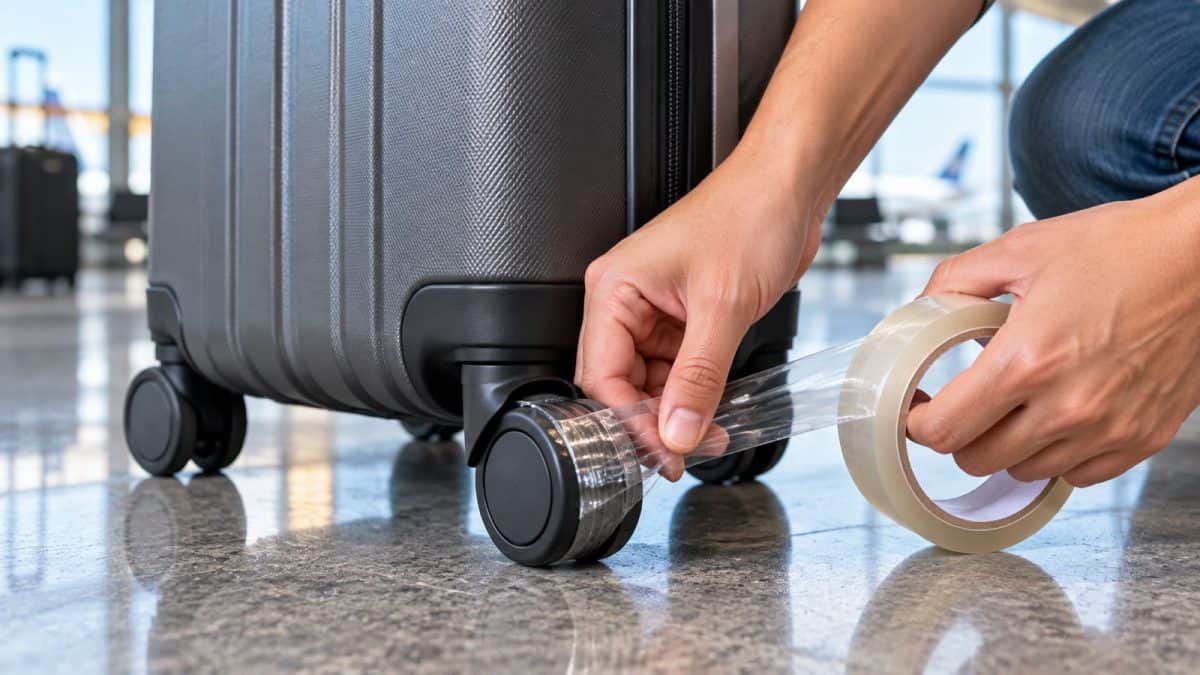
Why Travellers Are Taping Luggage Wheels Before Flights
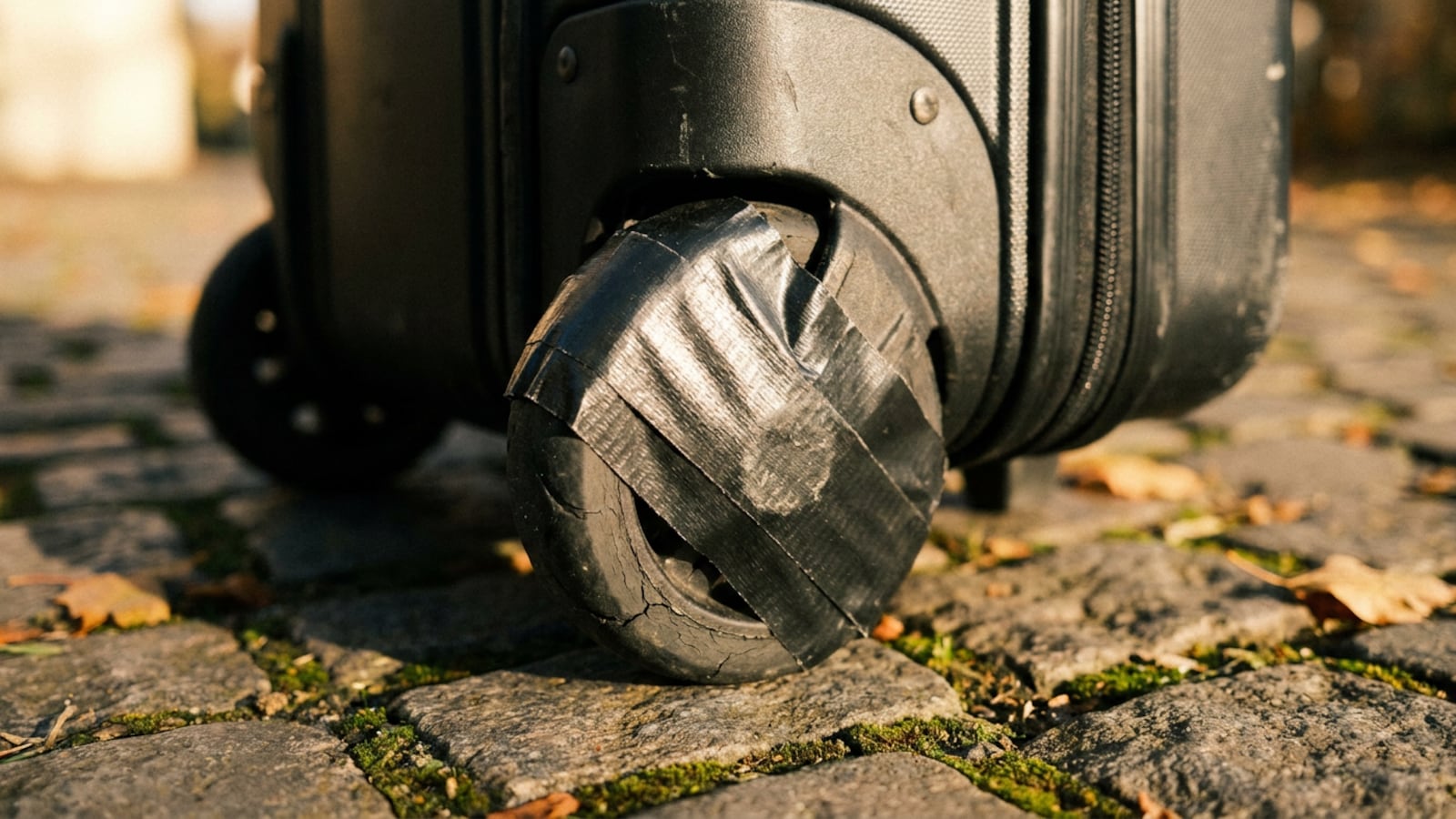
Travellers Tape Luggage Wheels Before Flights: Does It Work?
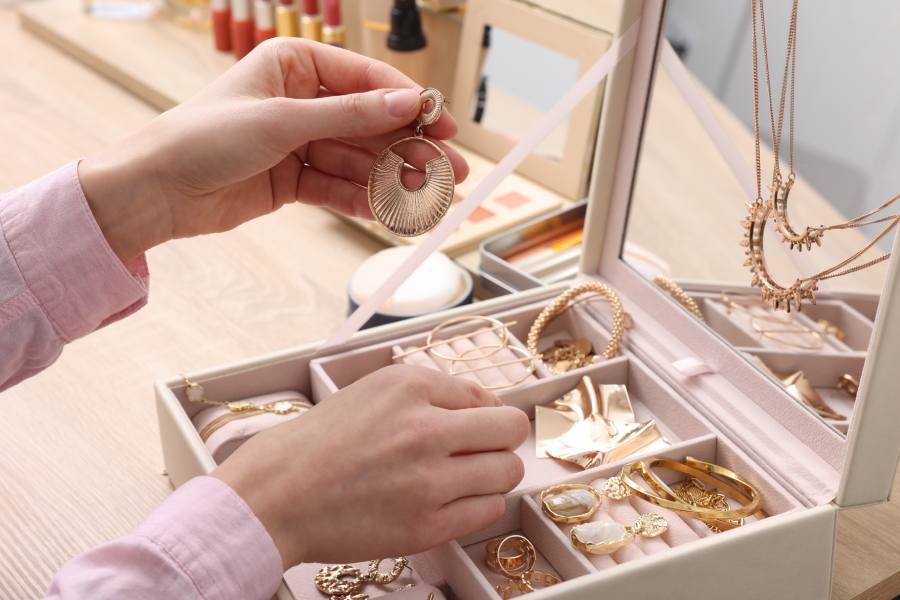
How Jewellery Pieces Become Necklaces, Pendants, Bracelets and More

Woman Finds Long Rope-Like Worm Inside Brinjal, Viral Video
Why Hairbrush Choice and Technique Matter for Healthier Hair