2 days ago
Why Hairbrush Choice and Technique Matter for Healthier Hair
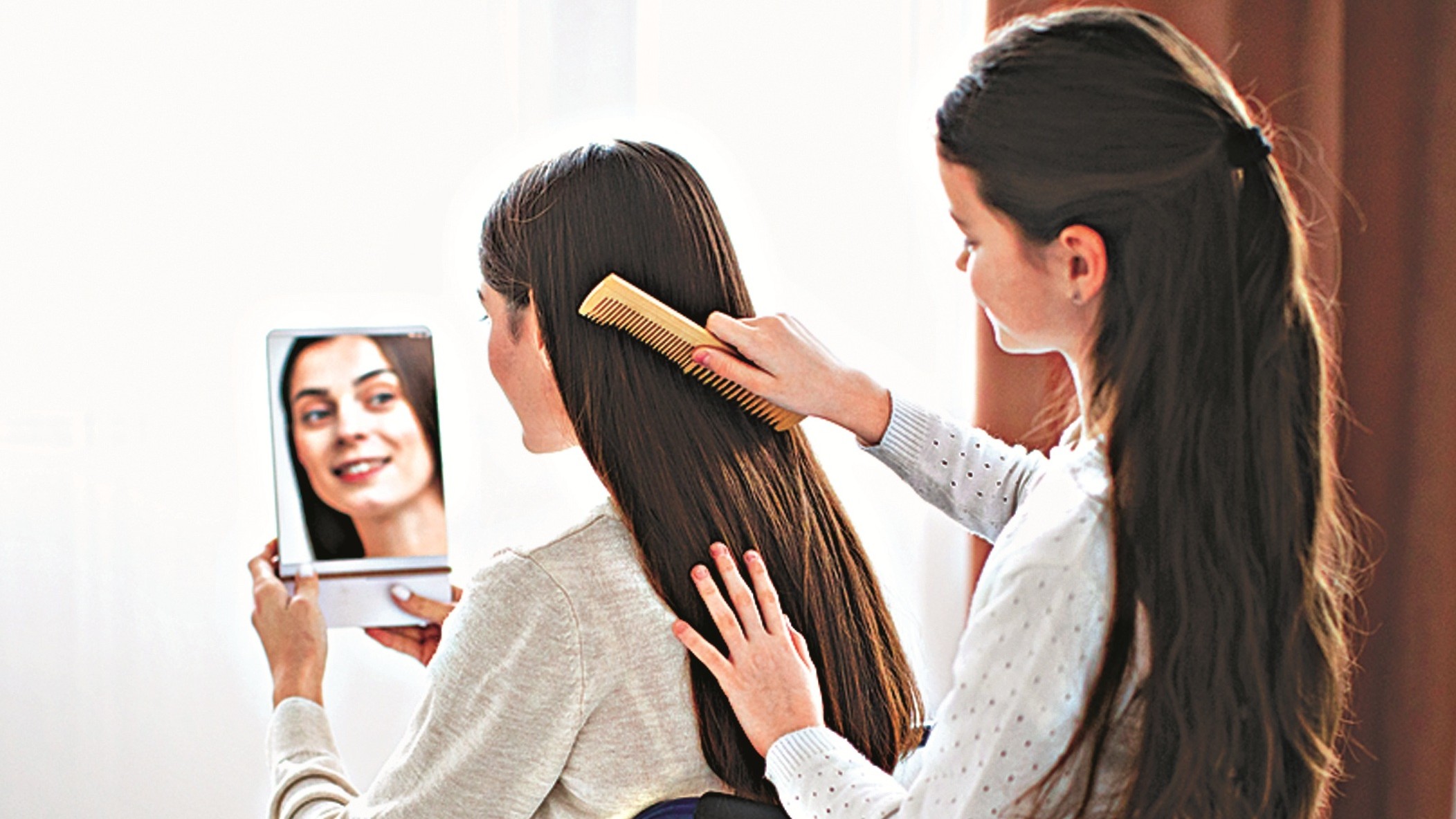
Hair health depends on more than shampoos and special treatments.
The brush you use and how you use it also matter.
Pulling hard on knots can damage hair and make the scalp sore.
Wet hair can stretch and break more easily, so it should be handled gently.
However, people with curls or coils may find it easier to detangle wet hair with conditioner.
Different hair types may need different brushes or combs.
It is usually gentler to start at the ends and slowly work toward the roots.
Cleaning a brush helps keep old oil, products and dirt from returning to the hair.
A better brush cannot fix every hair problem, but gentler grooming may reduce avoidable damage.

The wrong brush or rough brushing can contribute to pulling, breakage, frizz and scalp irritation.
Hairbrushes should be chosen according to hair type, texture, thickness and detangling needs.
Wet hair is more vulnerable to stretching and breakage, although wet detangling may help people with curls and coils.
Experts recommend starting at the ends, working upward in sections, and removing knots with minimal force.
Regularly cleaning brushes helps remove accumulated oils, products, dead skin cells and debris.
- Who
- Hair professionals, dermatologist Dr. Shilpi Khatri and professional hairdresser Akbar Shaikh offer guidance for consumers.
- What
- The article explains how brush choice, brushing technique and brush hygiene can affect hair and scalp health.
- Where
- In consumers’ regular haircare and styling routines.
- When
- The guidance applies to everyday haircare, especially during and after washing or detangling.
- Why
- To reduce unnecessary pulling, breakage, frizz, scalp irritation and buildup caused by unsuitable or poorly maintained brushes.
Reasons to Handle Wet Hair Cautiously
Reasons Wet Detangling Can Help
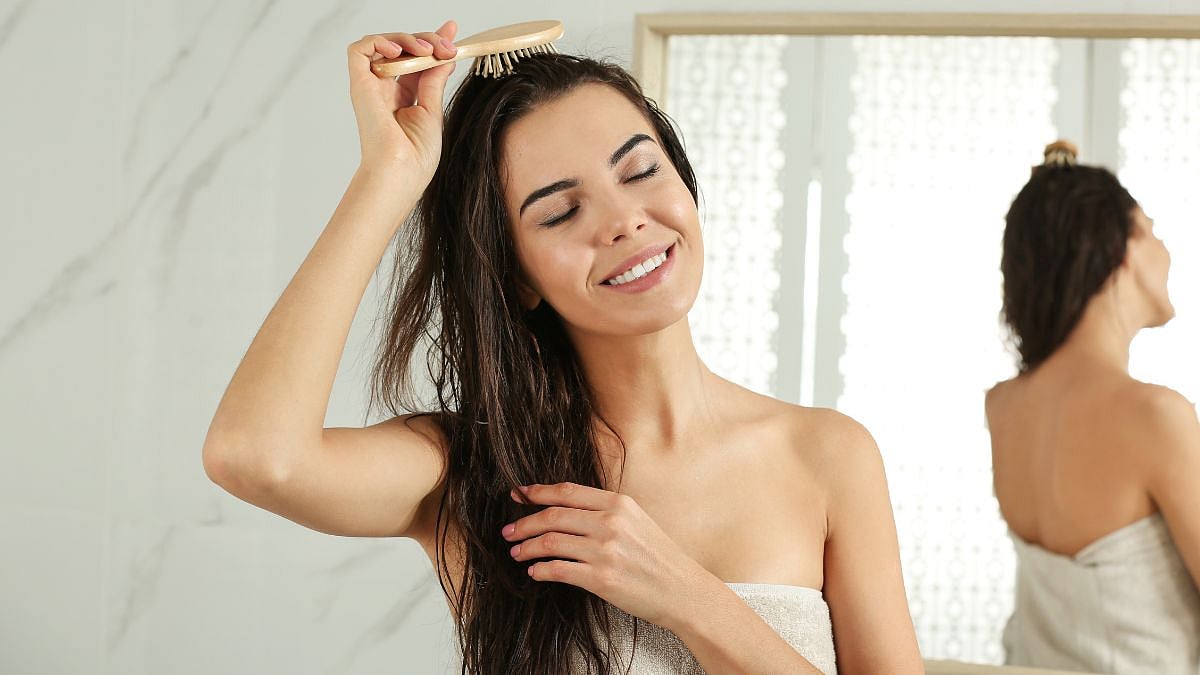
Brushing wet hair
Reasons to Handle Wet Hair Cautiously
Dermatologist Dr. Shilpi Khatri says wet hair is more vulnerable to stretching, snapping and breakage, so aggressive brushing can increase damage.
Reasons Wet Detangling Can Help
For people with tightly curled or textured hair, experts may recommend damp or wet detangling with adequate conditioner because knots can be addressed with greater control and less pulling.
One brush for everyone
Reasons to Handle Wet Hair Cautiously
A densely packed brush may smooth some hair types but create excessive resistance through thick or tangled hair.
Reasons Wet Detangling Can Help
A wide-tooth comb or flexible detangling brush may be more suitable when minimizing tension is the priority, showing that different hair types and situations require different tools.
Key facts
- Main risk
- A poorly suited brush or aggressive technique can cause pulling, breakage, frizz and irritation.
- Wet hair
- Wet hair is more prone to snapping, stretching and breaking.
- Textured hair
- Curls and coils may be easier to detangle when damp or wet and adequately conditioned.
- Detangling method
- Experts recommend beginning at the ends, moving upward gradually and working in small sections.
- Scalp comfort
- Brushing should not be painful or leave the scalp scratched, tender or irritated.
- Brush hygiene
- Brushes can collect hair products, oils, dead skin cells and environmental debris and should be cleaned regularly.
- Limits of brushing
- Changing a brush cannot magically reverse hair loss or repair severely damaged hair.
Quotes
Dr. Shilpi Khatri
Dermatologist discussing the effects of brushing and mechanical stress on hair.
“Your brush should work with the structure of your hair, rather than forcing your hair to adapt to the brush. If you are constantly pulling through knots, you can create unnecessary tension on the strands. The goal should be to remove tangles with as little force as possible.”
 deccanchronicle.com
“Haircare is not only about the products you apply. Mechanical stress matters, too.”
deccanchronicle.com