3 weeks ago
Maharashtra Allows Homeopaths to Prescribe Allopathic Medicines After Bridge Course

The government of Maharashtra, a state in India, made a new rule.
It says doctors who practice homeopathy can also give regular medicines, called allopathic medicines, after taking a special short course.
The government says this will help people in villages who do not have enough regular doctors.
The state already has more doctors than the World Health Organization recommends, but villages still face a shortage.
Some people think the new rule is dangerous, because regular doctors spend many years learning how diseases work and how medicines affect the body, and a short course cannot teach all of that.
These people say homeopathy and regular medicine are based on very different ideas.
They worry that mixing the two systems could be unsafe for patients.
They also think it could make people lose trust in doctors.

The Maharashtra government will allow homeopathic doctors to prescribe allopathic medicines after completing a bridge course.
The decision is framed as a response to a persistent shortage of allopathic practitioners in rural areas.
The state has roughly one physician for every 700 people, better than the WHO's benchmark of one doctor per 1,000.
Critics say a bridge course cannot replace the diagnostic reasoning and clinical judgement developed through MBBS training.
The article warns that mixing the two therapeutic systems could undermine professional standards and compromise patient safety.
- Who
- The Maharashtra state government and homeopathic doctors in Maharashtra.
- What
- A decision to allow homeopathic doctors to prescribe allopathic medicines after undergoing a bridge course.
- Where
- Maharashtra, India.
- When
- Not specified in the articles.
- Why
- To address a persistent shortage of allopathic practitioners in rural areas.
Government's View
Critics' View
Fixing the rural doctor shortage
Government's View
Allowing homeopaths to prescribe allopathic medicines after a bridge course is a pragmatic way to improve access to medical care in areas with a shortage of allopathic practitioners.
Critics' View
Addressing the shortage by combining therapeutic systems with conflicting principles can undermine professional standards and compromise patient safety.
Value of the bridge course
Government's View
A bridge course can prepare homeopathic practitioners to prescribe allopathic medicines.
Critics' View
A bridge course cannot recreate the intellectual and clinical architecture of MBBS training, and knowing common prescriptions is not the same as diagnostic reasoning.
Key facts
- Government
- Maharashtra state government
- Policy
- Homeopathic doctors may prescribe allopathic medicines after a bridge course
- Physician-to-population ratio
- Roughly 1 physician per 700 people
- WHO benchmark
- One doctor per 1,000 people
- Stated motive
- Persistent rural shortage of allopathic practitioners
- Main criticism
- Bridge course cannot recreate MBBS clinical and diagnostic training
- Stated risks
- Compromised patient safety, lower professional standards, eroded public trust
Sources
Related news
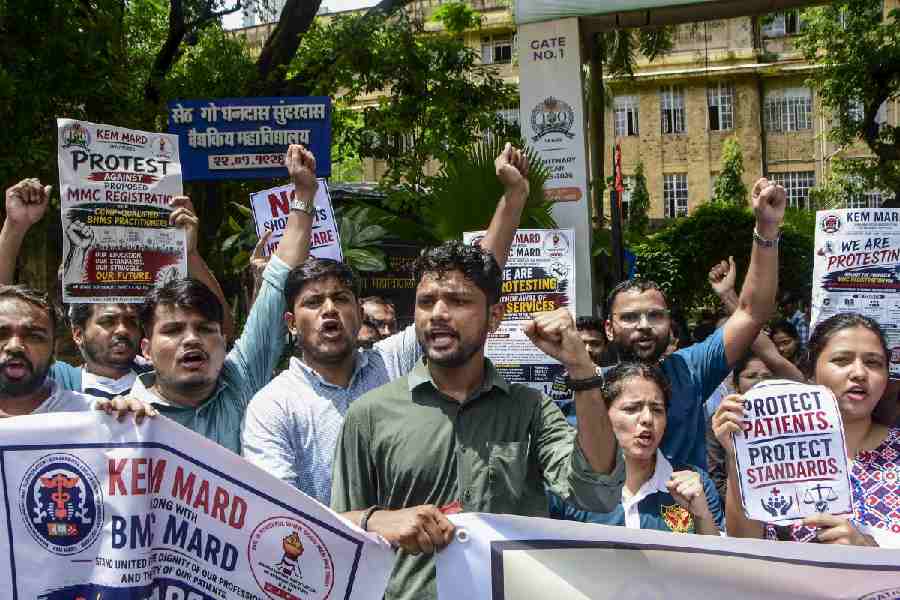
Bengal doctors oppose Maharashtra bridge course for homoeopathy practitioners
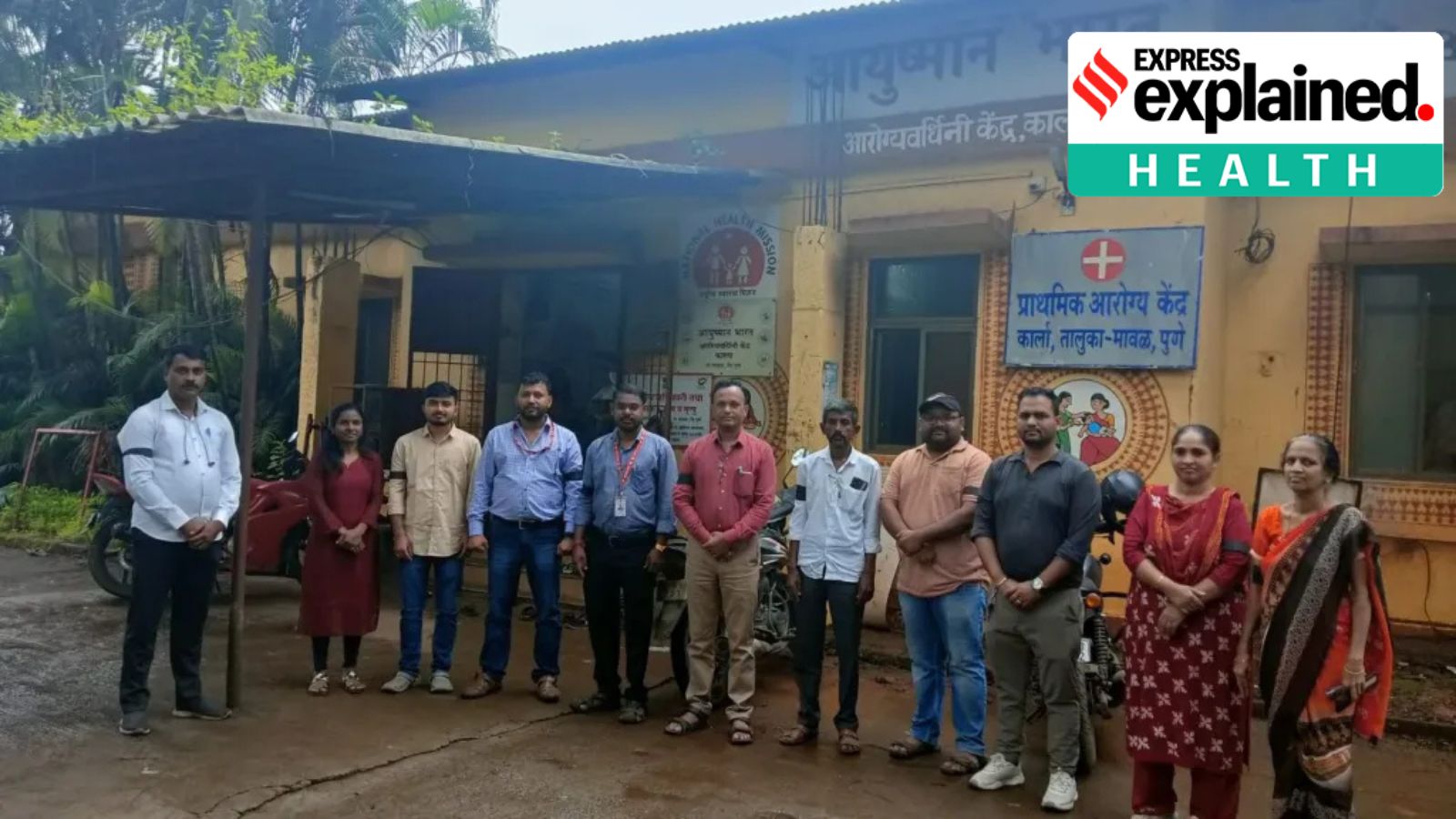
Maharashtra allows some homeopaths to prescribe modern drugs amid protests

Maharashtra's homoeopathic registration with allopathic council sparks doctor debate

IMA threatens nationwide doctors' strike over Maharashtra homeopathy registration plan

Maharashtra Resident Doctors Launch Indefinite Strike over Homoeopathy Registration

Stocks to Watch Thursday as Key Corporate Developments Drive Focus
Jarange Accuses Maharashtra Government of Inciting Riots During Fast
Mumbai Trains Election Officials Amid Statewide Electoral Roll Revision

Bombay Gymkhana Squash Finals Set After Junior Semifinals
NMMC Launches Navi Mumbai Drive to Protect Existing Trees