

2 weeks ago
Maharashtra's homoeopathic registration with allopathic council sparks doctor debate

In the Indian state of Maharashtra, there are two very different kinds of doctors: allopathic doctors, who use modern medicines tested by science, and homoeopathic doctors, who follow an older, different system of healing.
In 2014, the state government changed the law so homoeopathic doctors could also be registered as allopathic doctors after taking a special course.
Last week, the first homoeopathic doctor was registered with the allopathic Maharashtra Medical Council.
Many allopathic doctors are unhappy because they think the two healing systems are too different to mix.
They worry that mixing the systems, which they call 'mixopathy,' could be confusing and risky for patients.
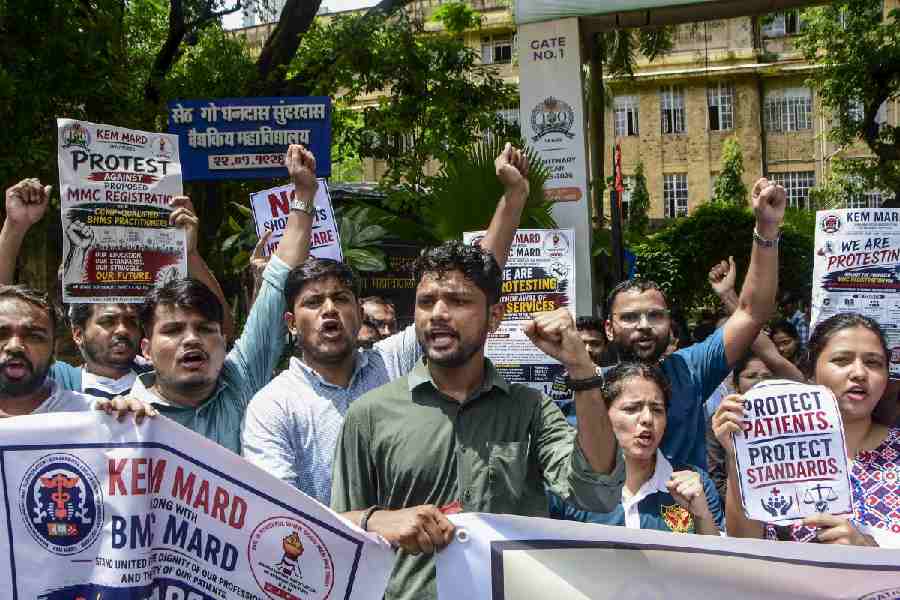
Some doctors went on strike to protest, but the Bombay High Court told them to go back to work.
The government says it made the rule because there were not enough doctors in rural areas.
Homoeopathic doctors must complete a bridge course, the Certificate Course in Modern Pharmacology, before they can register.
Patients may also wonder who to complain to if something goes wrong and whether their medical insurance will still pay.
The fight is not over yet, and the final decision could affect the whole country.

The Maharashtra Medical Council (MMC) registered its first homoeopathic practitioner last week, following a 2014 amendment to the Maharashtra Medical Commission Act.
Allopathic doctors and the MMC oppose the move, calling it 'mixopathy' or 'crosspathy' that erases core differences between the two systems of medicine.
The government justified the amendment citing a shortage of doctors in rural areas, with registration requiring completion of the Certificate Course in Modern Pharmacology bridge course.
Doctors went on strike in protest, but the Bombay High Court intervened to make them withdraw it; the Maharashtra Association of Resident Doctors (MARD) failed to secure a stay.
Critics warn of risks to patient well-being, unclear grievance redressal between the MMC and homoeopathy bodies, and complications with medical insurance claims.
Some homoeopathic practitioners, including office-bearers of the National Commission for Homoeopathy, have also expressed grave reservations about the decision.
- Who
- The Maharashtra government, the Maharashtra Medical Council (MMC), homoeopathic practitioners, and allopathic doctors including the Maharashtra Association of Resident Doctors (MARD).
- What
- The first homoeopathic practitioner was registered with the allopathic MMC, triggering protests from allopathic doctors over cross-practice.
- Where
- Maharashtra, India, with the dispute heard by the Bombay High Court.
- When
- The enabling amendment was passed in 2014; the first registration took place last week.
- Why
- The government sought to address rural doctor shortages, while objecting doctors cite patient safety and fundamental differences between allopathic and homoeopathic medicine.
Doctors Opposing Cross-Practice
Government's Rural Shortage Argument
Mixing medical systems
Doctors Opposing Cross-Practice
Allopathic doctors argue that merging the two systems creates a 'mixopathy' or 'crosspathy' and erases the core differences between evidence-based allopathy and homoeopathy's law of similars; practitioners trained in one system should not use the methods of the other.
Government's Rural Shortage Argument
The government allowed homoeopathic practitioners to register with the allopathic council, arguing this would address the shortage of doctors in rural areas, where positions were being filled by homoeopathic practitioners unable to legally prescribe basic allopathic medicines.
Patient safety and accountability
Doctors Opposing Cross-Practice
Critics warn of risks to patients' well-being, unclear grievance redressal (whether patients approach the MMC or homoeopathy bodies such as the National Commission for Homoeopathy), and complications in filing medical insurance claims.
Government's Rural Shortage Argument
The government notes that registration is conditional on completing the Certificate Course in Modern Pharmacology and says the rural doctor shortage situation has since improved, suggesting the reform has addressed the original problem.
Key facts
- Key Event
- First homoeopathic practitioner registered with the allopathic Maharashtra Medical Council (MMC)
- Amendment
- 2014 amendment to the Maharashtra Medical Commission Act
- Bridge Course
- Certificate Course in Modern Pharmacology
- Location
- Maharashtra, India
- Objecting Body
- Maharashtra Association of Resident Doctors (MARD)
- Court Involved
- Bombay High Court
- Government's Rationale
- Shortage of doctors in rural areas
- Status
- Legal battle ongoing; first registration proceeded after stay request was denied
Sources
Related news
Bengal doctors oppose Maharashtra bridge course for homoeopathy practitioners
Maharashtra allows some homeopaths to prescribe modern drugs amid protests

Maharashtra Allows Homeopaths to Prescribe Allopathic Medicines After Bridge Course

IMA threatens nationwide doctors' strike over Maharashtra homeopathy registration plan

Maharashtra Resident Doctors Launch Indefinite Strike over Homoeopathy Registration

Maharashtra MMC Sets Three-Month Registration Deadline For PG Medicos

Maharashtra Restarts Registration Of BHMS-CCMP Doctors After Halt

Maharashtra Halts CCMP Registration Pending Bombay High Court Decision
