10 months ago
Does More Haldi (Turmeric) Improve Liver Health? Risks and Benefits Explained
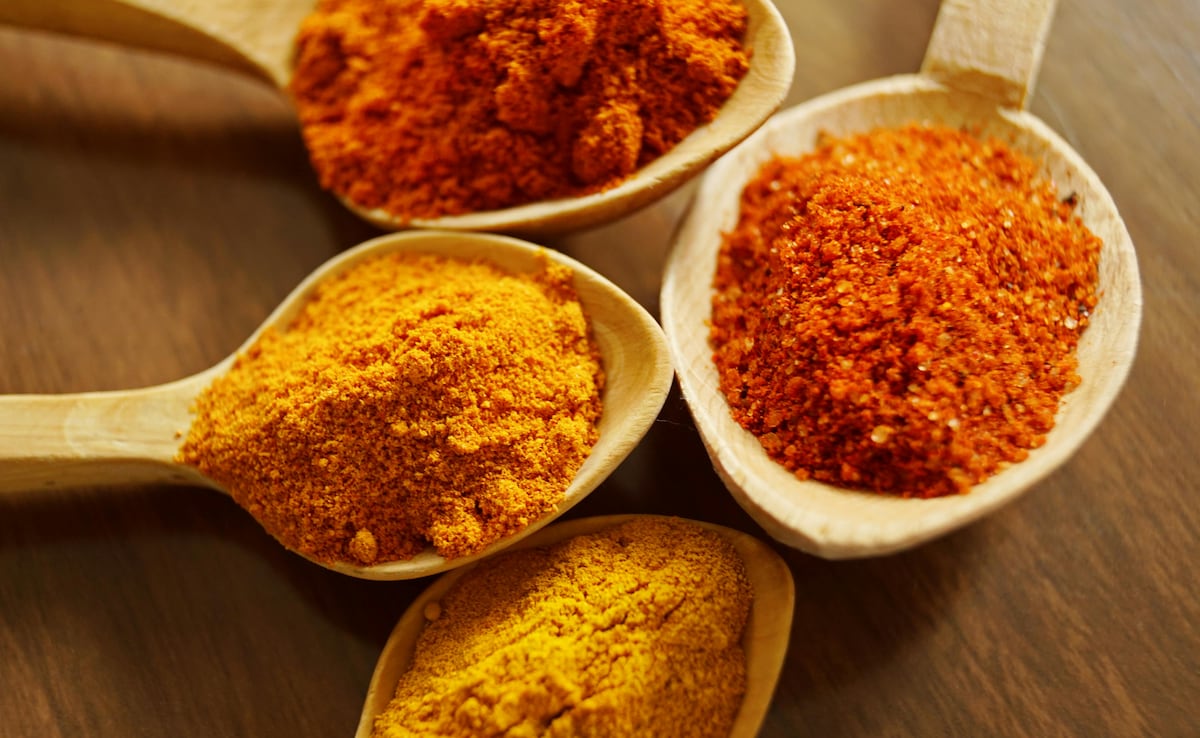
Imagine haldi, also called turmeric, as a super spice with a special ingredient called curcumin.
Curcumin is like a little helper that can calm down swelling in your body, including in your liver.
It also protects your liver cells from being hurt by bad stuff and can stop the liver from forming too much scar tissue.
This is great when you use a little bit of haldi, like in your cooking.
But, if you take very, very strong haldi pills, it can be too much for your liver.
It's like drinking too much juice; a little is good, but a lot can make you sick.
So, it's best to use haldi in moderation and talk to a doctor before taking strong supplements.
If you see your eyes turning yellow or your pee getting dark, you might have had too much, and you should see a doctor right away.

Haldi, with its active compound curcumin, has anti-inflammatory and antioxidant properties that can benefit liver health.
Curcumin can help reduce liver inflammation, fight cell damage, block inflammatory signals, and prevent scarring.
While kitchen spice haldi is generally safe in moderation, high-dose curcumin supplements can pose risks like drug-induced liver injury.
Excessive consumption of haldi, especially in supplement form, may lead to toxin buildup in the liver.
Warning signs of consuming too much haldi include jaundice, dark urine, pale stool, nausea, and fatigue, necessitating medical attention.
- Who
- Individuals interested in liver health and using turmeric (haldi)
- What
- The benefits and risks of consuming turmeric (haldi) for liver health, focusing on dosage and supplement use.
- Where
- Globally, with traditional use in India.
- When
- Ongoing, with specific warnings about high-dose supplement consumption and signs of overconsumption.
- Why
- To understand how haldi's active compound, curcumin, affects liver health and to identify safe consumption practices.
Benefits of Moderate Haldi Consumption
Risks of Excessive Haldi Consumption
Anti-inflammatory and Protective Effects
Benefits of Moderate Haldi Consumption
Curcumin in haldi calms immune responses, blocks inflammatory signals, fights cell damage by neutralizing free radicals, and helps prevent scarring in the liver.
Risks of Excessive Haldi Consumption
High doses of curcumin supplements are linked to drug-induced liver injury.
Absorption and Dosage
Benefits of Moderate Haldi Consumption
Kitchen spice haldi powder is generally safe when used in moderation. Grinding your own can ensure purity. A pinch of black pepper can boost absorption.
Risks of Excessive Haldi Consumption
High-dosage curcumin supplements can cause toxins to build up in the liver. Certain supplements may have side effects, and taking them without medical consultation can be risky.
General Safety
Benefits of Moderate Haldi Consumption
Haldi is a beneficial anti-inflammatory spice and a supportive component of a liver-friendly diet when consumed in moderation.
Risks of Excessive Haldi Consumption
Consuming too much haldi can be risky, and warning signs like jaundice, dark urine, pale stool, nausea, or fatigue indicate potential overconsumption requiring medical attention.
Key facts
- Active Compound
- Curcumin
- General Benefit
- Anti-inflammatory, antioxidant, protects liver cells
- Spice vs. Supplement
- Spice generally safer; supplements can have high concentrated curcumin.
- Absorption Booster
- Piperine (black pepper)
- Risks of High Dose
- Drug-induced liver injury, toxin buildup
- Warning Signs of Overconsumption
- Jaundice, dark urine, pale stool, nausea, fatigue
- Recommendation
- Moderation and consultation before taking supplements
Quotes
The article
The source of the article, providing health information and advice.
“The active yellow compound in haldi can reduce liver inflammation and help people with conditions like non-alcoholic liver disease, but there are caveats.”
 NDTV
NDTV
“While the antioxidant properties of haldi can protect liver cells from damage caused by the accumulation of free radicals and oxidative stress, there are some risks if you consume too much haldi.”
NDTV
Sources
Related news
Turmeric Compound Shows Blood Vessel Benefits in Diabetic Rats
Ayurveda's 6 Ancient Ingredients Spotlighted for India's Independence Day
Aloe‑Turmeric Gel Mix Promises Headache Relief

BJP Accuses Congress of Spreading Negativity Over Hindu Culture
Coriander Leaves for Glowing Skin: Ayurvedic Trick Revealed