1 week ago
Jatra’s Forgotten Male Queens Face Hardship as Tradition Changes
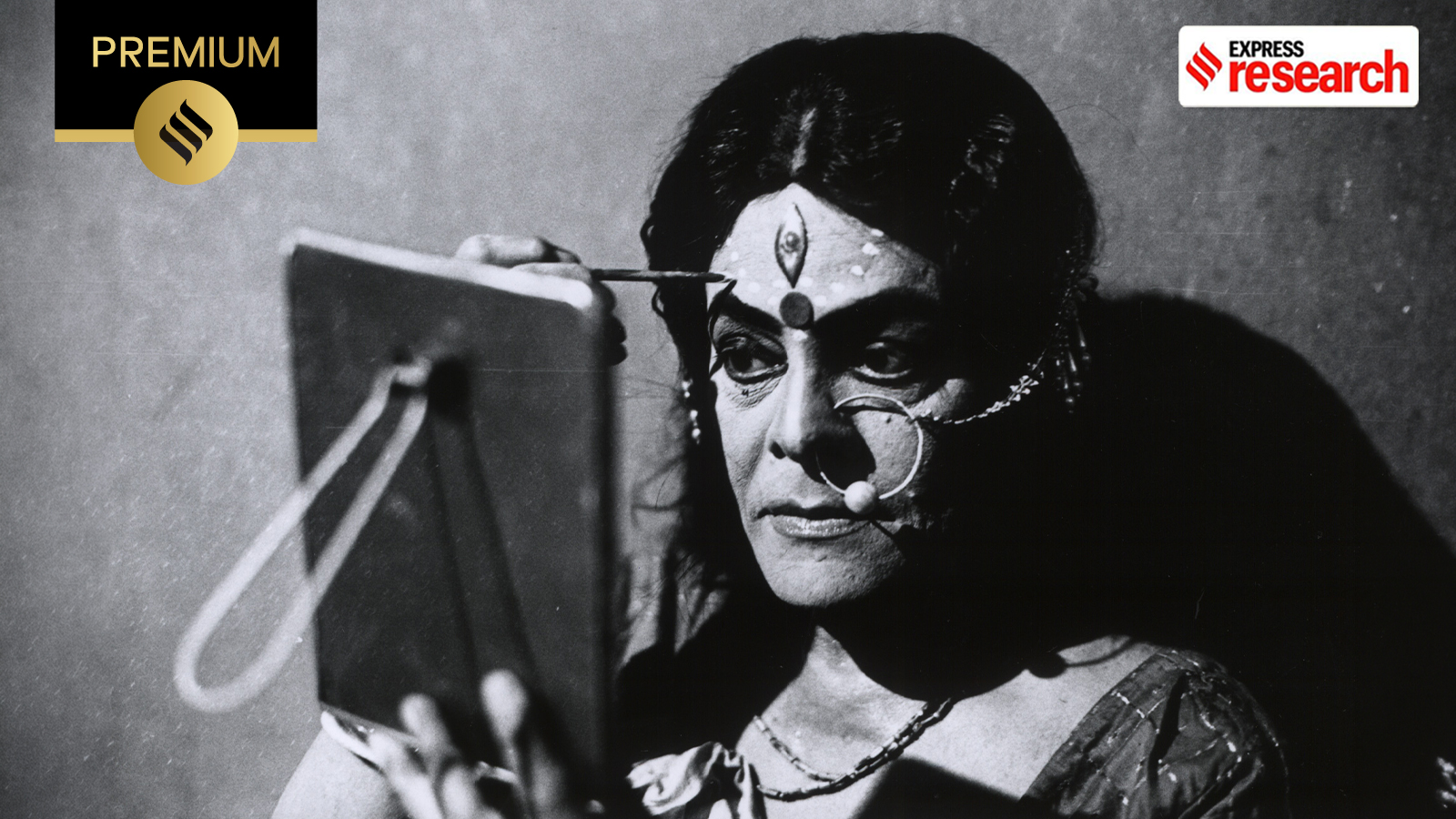
Jatra is a kind of folk theatre that has been popular in Bengal and nearby regions.
For a long time, men played many of the women’s roles.
These actors were sometimes called “Ranis,” meaning queens or graceful ladies.
Later, more women began acting in Jatra, and many male performers lost their jobs.
Some former stars struggled to earn enough money after leaving the stage.
People disagreed about whether women should perform in Jatra, and the debate was about more than casting: it also involved money and changing customs.
Television and other entertainment also changed how Jatra companies found audiences.
Jatra still exists, but people interviewed in the article say its performers need more support.

Rakhal Chandra Das, known as Rakhal Rani, performed in Jatra for more than 35 years and began acting at seven.
As women increasingly took female roles from the 1960s and 1970s, many male impersonators lost work and income.
Former performers faced hardship: Chobi Rani stitched and sold petticoats, while Kanchan Rani pulled a rickshaw and sold vegetables.
The shift to women performers was contested, with playwright Brajendra Kumar Dey opposing their entry and female artists publicly challenging his views.
Researchers and practitioners say Jatra has adapted, but call attention to its commercial pressures and the limited support available to performers.
- Who
- Jatra’s male female-impersonation performers, including Rakhal Chandra Das, and the practitioners and researchers discussing the tradition.
- What
- The article describes the decline of traditional male female impersonators in Jatra, the hardship many faced, and debate over how the form has changed.
- Where
- Jatra is associated primarily with eastern India, particularly Bengal, Assam and Odisha.
- When
- The shift away from male impersonators accelerated particularly in the 1960s and 1970s; the article also recounts earlier and later experiences.
- Why
- Women increasingly took female roles, while changing economics, entertainment habits and the loss of traditional support affected the form and its performers.
Those resisting the change
Those supporting women’s participation
Women taking female roles
Those resisting the change
Playwright Brajendra Kumar Dey opposed women entering Jatra, arguing that the nomadic and nocturnal life of the form would create problems and that it should remain in men’s hands.
Those supporting women’s participation
Women performers and their supporters challenged Dey’s objections, noting that women had long acted and criticizing his comments as objectionable.
What the changes mean for Jatra
Those resisting the change
Dey regarded female impersonators as central to Jatra and described the introduction of women performers as carrying the “seeds” of its destruction.
Those supporting women’s participation
Rashmi Ranjan describes Jatra’s course as transformation rather than simple decline; Sandip Roy says it has had to evolve, though traditional performers have been sidelined and paid less.
Key facts
- Tradition
- Jatra is a folk-theatre form associated primarily with eastern India, especially Bengal, Assam and Odisha.
- Rakhal Chandra Das
- Known on stage as Rakhal Rani, he began performing at age seven and had a career spanning more than 35 years.
- Government recognition
- Rakhal was felicitated by the West Bengal government in 1973.
- Rakhal’s death
- He died on November 30, 1984.
- Changing casting
- The tradition of male impersonation receded particularly during the 1960s and 1970s as women increasingly entered Jatra.
- Documentary
- Dipankar Dutta’s 2014 Bengali documentary Chena Kintu Ajana includes accounts from performers’ descendants.
- Other pressures
- The article cites television, changing entertainment economics and limited institutional support among factors affecting traditional Jatra.
Quotes
Rashmi Ranjan
PhD scholar at IIT Madras researching Jatra
“The Jatra has had to evolve with changing times. But with the advent of television, Jatra no longer had to roll out to small towns to provide entertainment. Though there are still Jatra companies in the vicinity, the traditional form of Jatra has sort of declined.”
 indianexpress.com
“Given the current character of Jatra as a profit-oriented and consumer-driven network, legal and systematic investments in the safety and sustenance of those involved must be ensured by the responsible authorities, both in terms of ownership and administration.”
indianexpress.com
Sources
Related news
Women’s Craft and Toil Bring Durga to Life
Bengal Urged to Better Support Durga Puja Idolmakers
How Radio Helped Bengali Women Find Their Musical Voice
572-Year-Old Konnagar Durga Puja Ends With Ilish Bhog
Colonial-Era Durga Puja Displayed Power, Prestige and Rivalry