

4 hrs ago
How Radio Helped Bengali Women Find Their Musical Voice
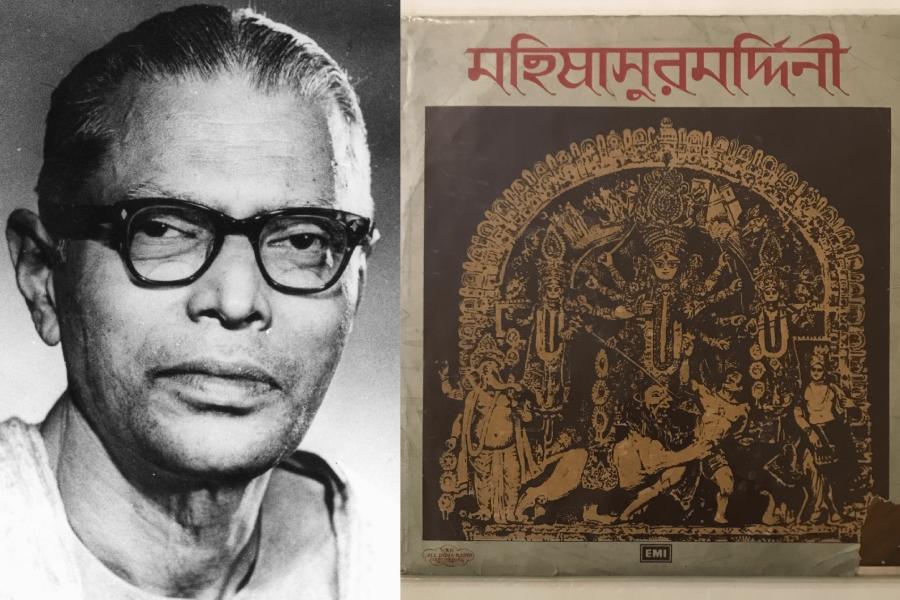
In the past, many women in Bengal were discouraged from singing in public.
Pankaj Kumar Mullick helped make radio programmes that brought music into people’s homes.
One programme, Sangeet Shikshar Ashor, helped women feel more confident about taking part in music.
Some singers later joined Mahishasuramardini, a special radio programme for the festival season.
It first aired in 1934 and developed from earlier festive programmes.
The performers practised together for months before the live broadcast.
People from different social and religious backgrounds took part.
The programme is still remembered and heard by many Bengalis.

Pankaj Kumar Mullick led radio programming that helped bring music into people’s homes.
Sangeet Shikshar Ashor encouraged women to engage with music beyond the private spaces of their households.
The programme helped challenge taboos around public performance, which had been socially restricted for women.
Mahishasuramardini grew out of earlier festive radio programmes, including Basantashwari, and first aired in 1934.
Its live performance involved months of rehearsals and musicians and singers from different social and religious backgrounds.
- Who
- Pankaj Kumar Mullick, programme collaborators, and women singers including Abhabati, Manikmala, Prafullabala, and Beenapani.
- What
- Radio music programmes helped women participate in public singing, and Mahishasuramardini became a lasting festive broadcast.
- Where
- On Akashvani radio in Bengal.
- When
- Sangeet Shikshar Ashor and related programming preceded Mahishasuramardini, which first aired in 1934.
- Why
- The programmes brought music into homes and helped challenge social restrictions on public singing.
Key facts
- Earlier programme
- Sangeet Shikshar Ashor brought music into homes and encouraged participation.
- Precursor
- Basantashwari, titled by Bani Kumar, was an earlier festive programme.
- First broadcast
- Mahishasuramardini first aired in 1934.
- Preparation
- Artistes rehearsed together for months before the live broadcast.
- Participants
- The programme brought together musicians and singers from different social backgrounds, including Hindus and Muslims.
- Women singers named
- Abhabati, Manikmala, Prafullabala, and Beenapani are cited as singers who may have moved from Sangeet Shikshar Ashor to Mahishasuramardini.
Quotes
Amal Bandyopadhyay
Bengali author, researcher and Hindustan Records content manager
“The programme became hugely popular. This is significant as it shows that Mahishasuramardini did not emerge out of nowhere — it was the result of an evolution in radio’s festive programming that eventually led to the Mahalaya format.”
 telegraphindia.com
“At that time, women singing in public was associated only with those who lived in prohibited areas.”
telegraphindia.com
Sources
Related news
Mahalaya Revisits the Controversial 1976 Replacement of Birendra Krishna Bhadra
Women Sing Praise for Empowerment Schemes at Mahila Samvad
Sharvari Wagh Recalls Rajshri Dreams and Barjatya’s Song Stories
GD Block Celebrates Tagore With Residents and Srikanta Acharya

Remembering Lata Mangeshkar’s Power and Legacy in Hindi Cinema

Kisan Cricket League Launches Nationwide Rural Talent Hunt
Protests Put Election Chief and Government Under Pressure

Rahul and Priyanka Gandhi Among 90 Detained Near Jantar Mantar
