1 hr ago
Colonial-Era Durga Puja Displayed Power, Prestige and Rivalry
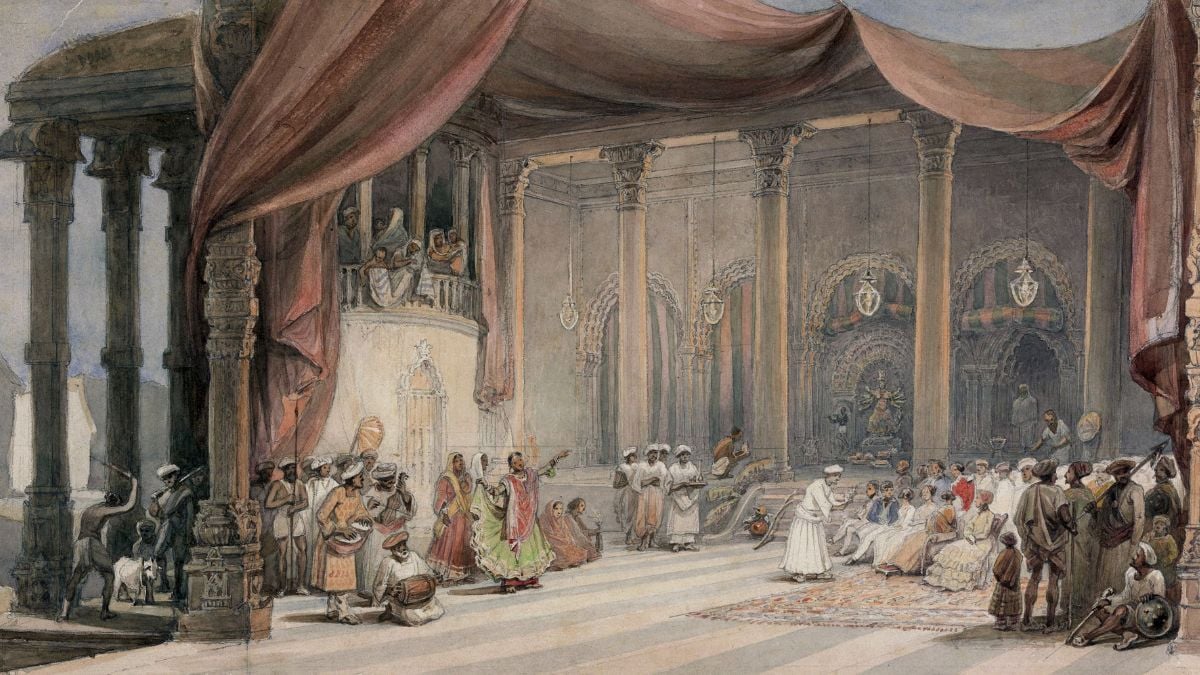
Long ago, rich families in Calcutta held very large Durga Puja celebrations in their homes.
They worshipped the goddess, but the festivals also showed how wealthy and important each family was.
Some invited British officials and offered food, music and performances.
Families tried to make their celebrations more impressive than their neighbours’ events.
Some families chose quieter, more devotional celebrations instead.
Over time, British officials came less often, and the expensive private festivals became less central.
People began organizing pujas together and welcoming whole neighbourhoods.
Today, Durga Puja is a large public celebration, though it still includes artistic competition and grand displays.

In 18th- and 19th-century Calcutta, wealthy Hindu families used Durga Puja to display prosperity, status and religious devotion.
Raja Nabakrishna Deb’s lavish celebrations at Sovabazar, including invitations to British officials, became a model for elite hosts.
Families competed through grand images, feasts, performances and hospitality, which could help build influential relationships.
As senior British officials increasingly avoided the festivities, costly mansion celebrations lost some of their prominence.
Community-funded barowari and sarbojanin pujas helped shift the festival from private mansions to public neighbourhood celebrations.
- Who
- Wealthy Hindu families of colonial Calcutta, including Raja Nabakrishna Deb’s family, hosted the celebrations.
- What
- Durga Puja served both as religious worship and as a display of social status, hospitality and influence.
- Where
- Calcutta, now Kolkata, especially in wealthy families’ mansions and later in neighbourhood pandals.
- When
- The article describes the 18th and 19th centuries and the festival’s later development into community celebrations.
- Why
- Elite families used the celebrations to express devotion, demonstrate prosperity, compete for prestige and cultivate relationships.
Key facts
- Festival
- Durga Puja, an autumn festival celebrating the goddess Durga’s victory over Mahishasura.
- Elite venue
- The thakurdalan, a purpose-built worship and gathering space within a Bengali mansion.
- Prominent host
- Raja Nabakrishna Deb, founder of the Sovabazar Raj family.
- Colonial connections
- Elite hosts invited European guests, including British officials, and used hospitality to cultivate relationships.
- Forms of competition
- Families competed through images, ornaments, music, performances, feasts and hospitality.
- Change in format
- Community-funded barowari and sarbojanin celebrations shifted the festival toward public participation.
Sources
Related news
572-Year-Old Konnagar Durga Puja Ends With Ilish Bhog
Harakutir Bari’s Durga Puja Evolves From Baithaks to Reels
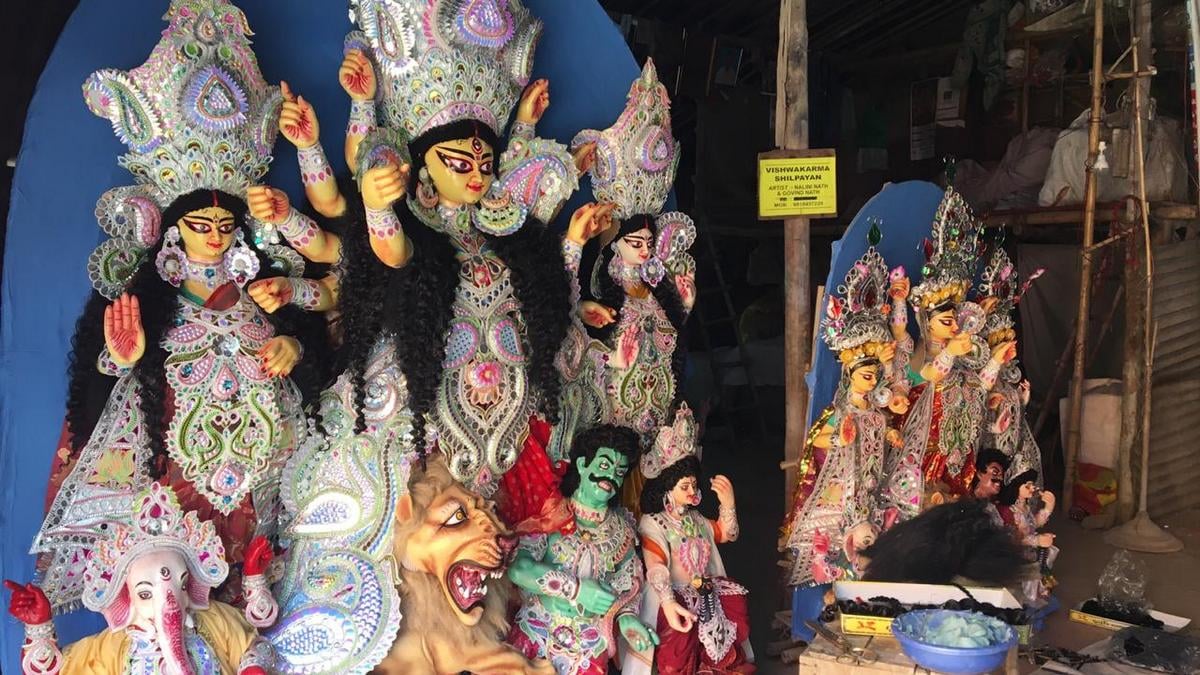
Durga Puja Debate Intensifies Under West Bengal’s New BJP Government
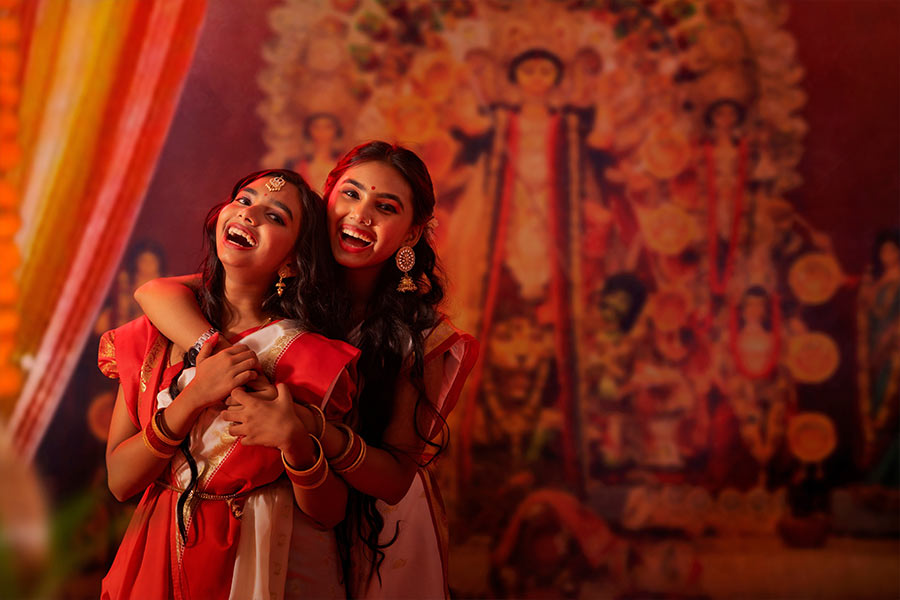
Six Essential Kolkata Experiences During Durga Puja
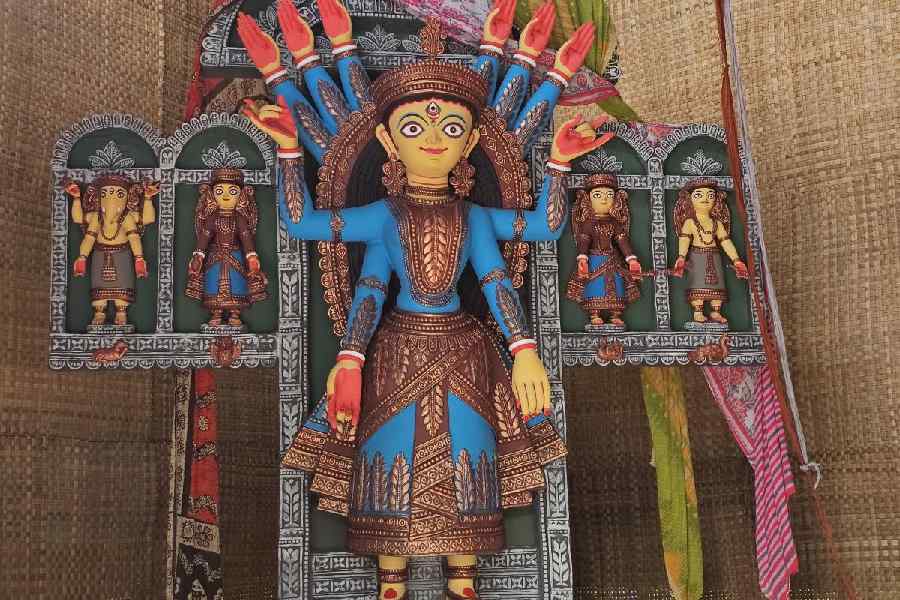
Salt Lake Area Durga Puja Guide Highlights Kolkata’s Diverse Themes
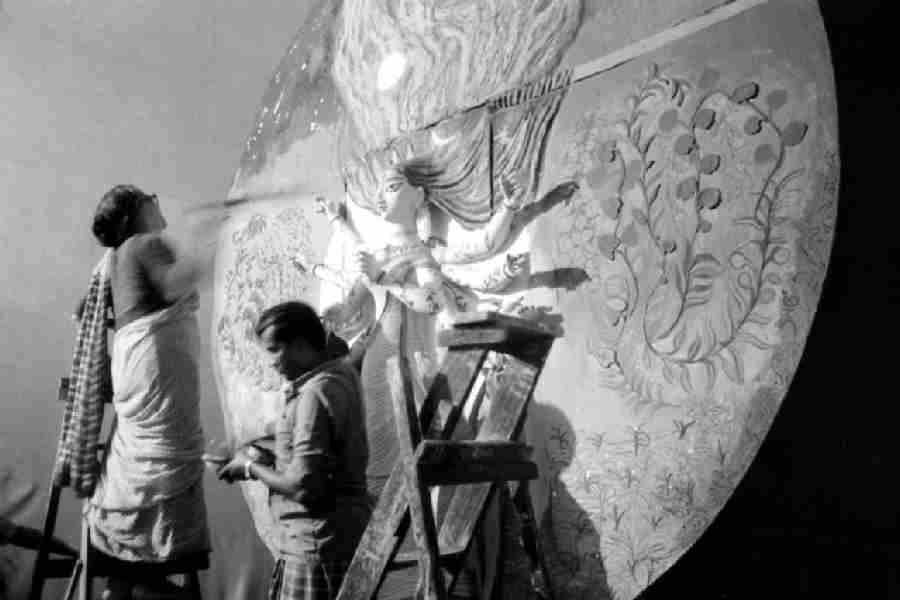
How UNESCO’s Heritage Tag Transformed Kolkata’s Durga Puja
UPSC History Quiz Covers Plassey, Heritage and Assam Moidams

Maratha General Murarirao Ghorpade Defends Robert Clive Against French
Labour Politician Calls for Robert Clive Statue Removal