1 hr ago
Working From Home Can Reduce Pollution Exposure, Not Eliminate It
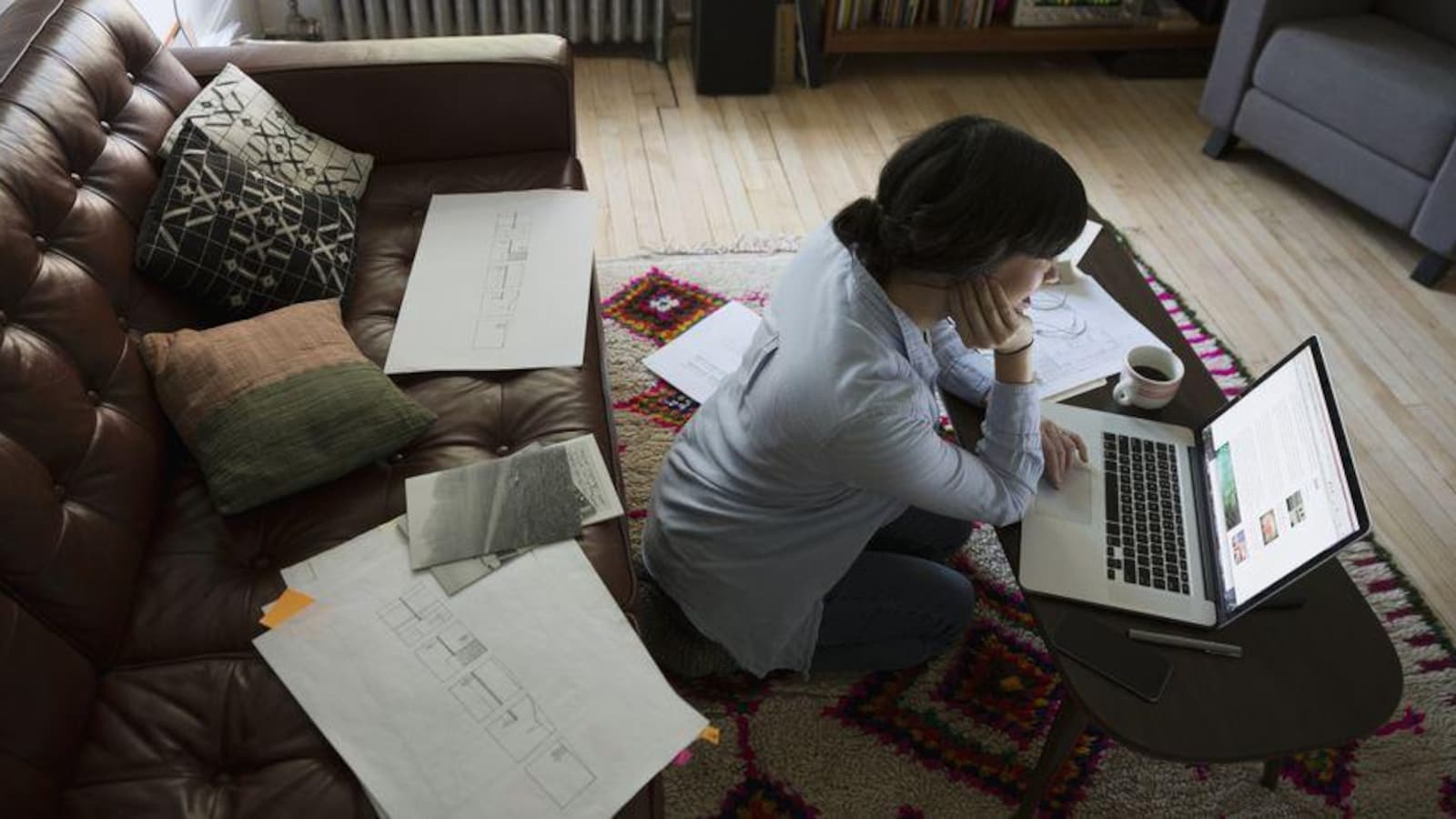
Working from home can help you spend less time breathing polluted air outside.
But being indoors does not always mean the air is clean.
Pollution can come inside through windows and other openings.
Cooking fumes, smoke, candles and dust can also make indoor air worse.
Closing windows when outdoor air is especially polluted may help, while brief ventilation when air improves can refresh a room.
A suitable, well-maintained air purifier can reduce some particles.
People with breathing problems should follow their doctor's advice and seek help if symptoms get worse.
Staying indoors helps most when the air inside is also kept as clean as possible.

Remote work can reduce exposure by cutting time spent commuting through polluted areas.
Pollutants can still enter homes through windows, doors, ventilation systems and building gaps.
HEPA air purifiers, controlled ventilation and reducing indoor pollution sources can improve indoor air quality.
People with asthma, COPD or other respiratory conditions may be more vulnerable and should follow medical advice.
Working from home is not a complete shield; reducing exposure both indoors and outdoors is important.
- Who
- People working from home during periods of high air pollution, especially those with respiratory conditions.
- What
- Remote work can reduce exposure to outdoor pollution, but it does not guarantee clean indoor air.
- Where
- At home and during outdoor commutes; the article does not specify a particular location.
- When
- During winter pollution periods and other episodes of severe air pollution.
- Why
- To reduce exposure to pollutants that can irritate the airways and worsen respiratory symptoms.
Key facts
- Key outdoor pollutant
- PM2.5, along with nitrogen dioxide, ozone and other pollutants.
- Potential benefit of remote work
- Less time commuting outdoors, including near busy roads and traffic.
- Indoor pollutant entry
- Outdoor pollution can enter through windows, doors, ventilation systems and building gaps.
- Filtration
- A portable air purifier with an appropriately sized HEPA filter can reduce airborne particulate matter.
- Indoor pollution sources
- Cooking fumes, incense, mosquito coils, candles, tobacco smoke, dust and some cleaning-product vapours.
- Higher-risk groups
- People with asthma, COPD, allergies or previous respiratory illness.
- Author
- Dr Harish Verma, Director of Pulmonology at ShardaCare - Healthcity.
Sources
Related news

Delhi Pollution Season Calls for Safer Outdoor Exercise Choices
Pollution, Infection or Cold Air? Reading Winter Cough Symptoms
Delhi Announces Winter Pollution Plan With Parking, WFH, Construction Curbs
Delhi Announces Winter Pollution Curbs, WFH and Construction Bans

How Spending All Day Indoors May Affect Your Health

Delhi Leaders Finalize Winter Air Plan With Vehicle Curbs, WFH

Greater Noida Plans Six-Lane Amritpuram-Makoda Road and More Widening

Building Muscle in Your 20s and 30s: What Changes?

Chronic Stress Can Strain the Heart and Raise Cardiovascular Risks

Nimisha Sajayan’s Weight-Loss Journey Highlights Safer, Sustainable Training