1 week ago
Bessent’s Bond-Market Intervention Sends Gold Prices Sharply Higher

The U.S. government announced that it would buy more of its long-term debt than investors expected.
This was meant to help support a bond market where prices had been falling.
Bonds are loans to the government that investors buy.
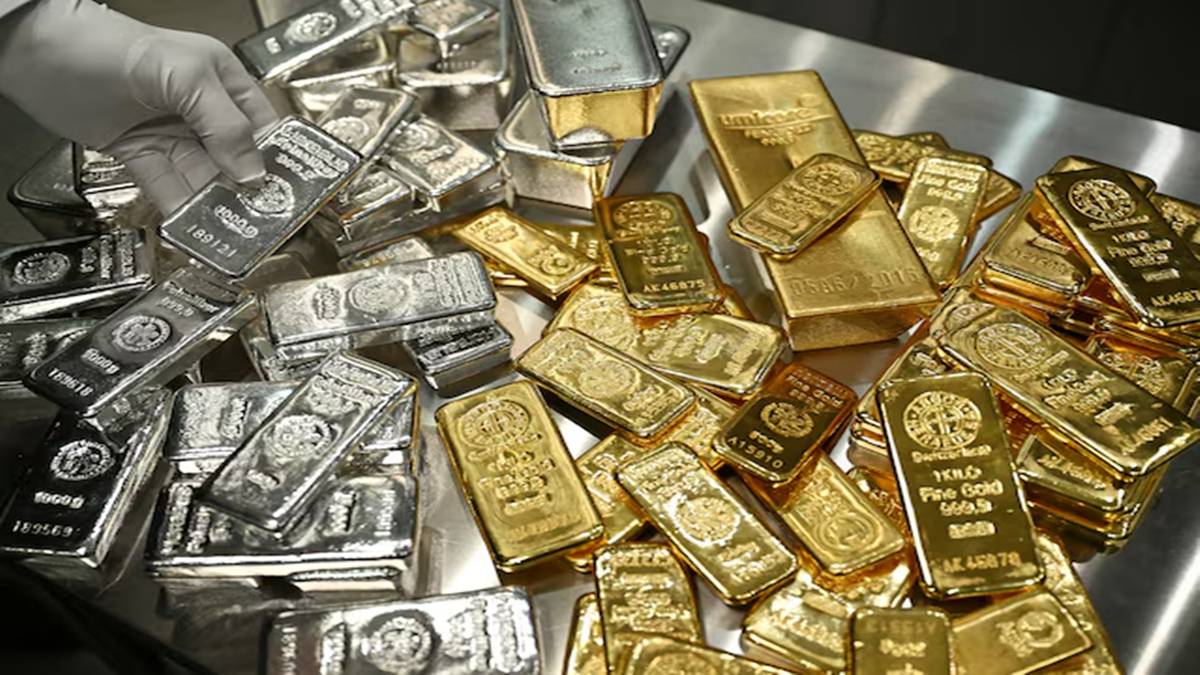
After the announcement, gold, silver and platinum prices climbed.
Some investors worried that the government was trying to keep borrowing costs low instead of reducing its large debt.
They also worried that this could weaken the dollar.
Gold can look more attractive when people lose confidence in government money or bonds.
Bitcoin also rose, but the article said its increase was mainly linked to separate cryptocurrency news.
Scott Bessent is expected to discuss possible deficit-reduction plans at a press conference.

Treasury Secretary Scott Bessent said the Treasury will increase long-term debt buybacks by at least $2 billion per operation starting Sept. 9.
Gold rose 2.4% Friday and gained 5.9% over three sessions after the buyback announcement.
Silver and platinum gained 8.6% and 9.3%, respectively, over the same three-session period.
Critics said the intervention could signal weaker fiscal discipline, undermine the dollar and encourage investors to buy gold.
Bitcoin rose 19.18% over three sessions, although the article attributed that move mainly to separate cryptocurrency regulatory developments.
- Who
- Treasury Secretary Scott Bessent, the U.S. Treasury, bond investors and precious-metals investors.
- What
- The Treasury unexpectedly announced larger long-term debt buybacks, followed by sharp gains in gold, silver and platinum.
- Where
- The developments affected U.S. financial markets and the $32 trillion Treasury market.
- When
- The announcement came Wednesday; gold rose Friday, and the expanded buybacks are scheduled to begin Sept. 9 and continue through Nov. 4.
- Why
- The buybacks were intended to support the struggling bond market, while investors viewed the move as possible financial repression and became more concerned about debt, inflation and the dollar.
Supporters of intervention
Critics of intervention
Supporting the bond market
Supporters of intervention
The larger buybacks can provide demand for long-term Treasury bonds and reassure investors during a period of falling prices.
Critics of intervention
The move may artificially support bond demand and suppress yields rather than address the underlying fiscal problem.
Debt and fiscal policy
Supporters of intervention
Treasury actions can help stabilize markets while the administration examines revenue and spending measures to reduce the deficit.
Critics of intervention
The United States needs stronger fiscal discipline and debt reduction; continued intervention could weaken confidence in its assets and currency.
Effects on gold and the dollar
Supporters of intervention
If bond-market stress is contained, Treasury values and market stability could improve.
Critics of intervention
The prospect of financial repression and a weaker dollar makes gold more attractive, especially if inflation remains above Treasury yields.
Key facts
- Additional buybacks
- At least $2 billion more in long-term debt per operation than previously communicated.
- Buyback period
- Beginning Sept. 9 through Nov. 4.
- Gold performance
- Gold rose 2.4% Friday and 5.9% over three sessions.
- Other metals
- Silver gained 8.6% and platinum gained 9.3% over three sessions.
- Dollar performance
- The dollar fell 0.8% during the week.
- Bitcoin performance
- Bitcoin rose 19.18% over three sessions.
- Treasury market size
- The Treasury market was described as worth $32 trillion.
Quotes
Robin J. Brooks
Senior fellow at the Brookings Institution
“Markets take a dim view of this and so it’s no surprise that precious metals are up sharply since the buyback announcement”
 livemint.com
“will be examining, both on the revenue side and the cost side, what we can do”
livemint.com
Sources
Related news

Deutsche Bank Says Treasury Bond Buybacks Could Lift Gold
Treasury Buyback Boosts Gold and Silver as Bond Yields Fall

Gold Nears Three-Month High as Traders Assess Treasury Moves
Gold Set for Third Weekly Gain on Treasury Buybacks

Treasury Doubles Long-Dated Debt Buybacks as Yields Surge

Bessent’s Bond Buyback Plan Pushes Long-Term Yields Lower

RBI Governor Meets US Fed Chief Kevin Warsh at G20

Indian Firms Invest $40 Billion in U.S., Supporting Jobs
Trump Aides Seek Quiet Iran War Before Midterm Elections
Global Bond Sell-Off Pushes Japan Yields To 30-Year High

US and China Hold Quiet Talks Over Iran Conflict