1 week ago
Obesity-Cancer Link: Why Excess Weight and Metabolic Health Matter
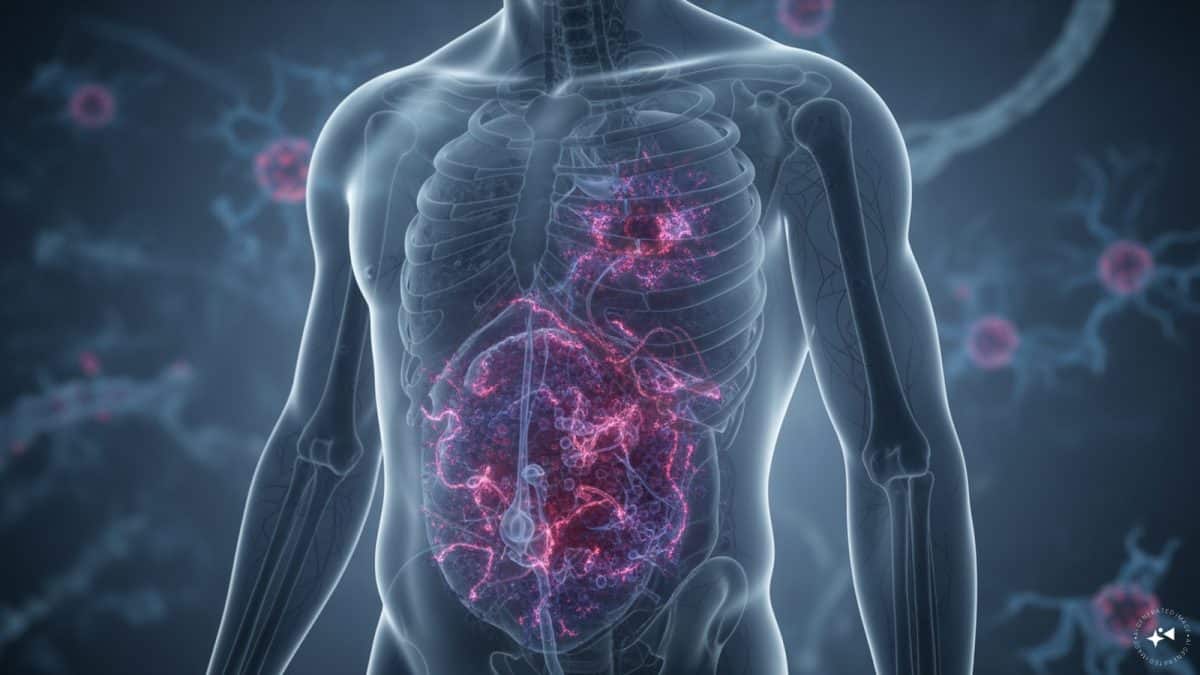
Having too much body fat does not mean someone will definitely get cancer.
However, it can make some cancers more likely.
Body fat can cause long-lasting inflammation and change hormones and blood sugar control.
These changes may help damaged cells grow.
The longer someone has obesity, the longer the body may be exposed to these changes.
BMI is useful, but it does not show where fat is stored or how healthy a person’s metabolism is.
This is especially important for South Asians, who may have health risks at lower BMI levels.
Healthy food, exercise, good sleep and avoiding smoking can help lower risk.
Weight-loss medicines called GLP-1 drugs may improve health, but researchers have not proven that they prevent cancer.

Excess weight is associated with at least 13 types of cancer, including breast, colorectal, liver and pancreatic cancers.
Obesity may raise cancer risk through inflammation, insulin resistance, altered hormones, metabolic disruption and oxidative stress.
The duration of obesity matters, with adolescent or early-adult obesity potentially causing longer exposure to these risk factors.
BMI alone may not show cancer-related metabolic risk, particularly among South Asians, who can have higher abdominal fat at lower BMI levels.
Sustained weight loss, physical activity, healthy eating, avoiding tobacco and limiting alcohol may help reduce risk, while GLP-1 drugs are not yet proven cancer-prevention medicines.
- Who
- Dr J.B. Sharma, Director of Medicine and Therapeutics at Action Institute of Medical Oncology & Immunotherapy, Action Cancer Hospital, Delhi, explained the issue.
- What
- The article examines how obesity and excess body fat may influence cancer risk, the limits of BMI, and ways to reduce risk.
- Where
- The issue is discussed in the context of India, with reference to South Asian metabolic risks.
- When
- The article discusses current research and growing health concerns about obesity and cancer.
- Why
- Excess body fat may contribute to inflammation, insulin resistance, hormonal changes and other biological processes associated with cancer development.
Key facts
- Cancer links
- Excess body weight is associated with at least 13 types of cancer, according to the US National Cancer Institute.
- Cancers mentioned
- Associations include postmenopausal breast, colorectal, endometrial, oesophageal, kidney, liver and pancreatic cancers.
- Strong associations
- Endometrial cancer has one of the strongest associations with obesity; oesophageal adenocarcinoma is also strongly linked to excess weight.
- Key mechanisms
- Inflammation, insulin resistance, altered insulin-like growth factors, hormonal changes, immune changes and oxidative stress may contribute to risk.
- BMI limitation
- People with the same BMI can have different amounts and distributions of body fat, so waist circumference and visceral fat may provide additional information.
- South Asian risk
- South Asians may have higher body fat, visceral fat and insulin resistance than white populations at the same BMI.
- GLP-1 medicines
- GLP-1 receptor agonists may improve weight and metabolic health, but current research does not establish them as cancer-prevention medicines.
Quotes
Dr J.B. Sharma
Director of Medicine and Therapeutics at Action Institute of Medical Oncology & Immunotherapy, Action Cancer Hospital, Delhi
“Therefore, relying only on conventional BMI cut-offs may overlook some people at increased metabolic risk.”
 firstpost.com
“Intentional and sustained weight loss may reduce the risk of certain obesity-related cancers.”
firstpost.com
Sources
Related news

Lifestyle Changes and Screening Can Help Lower Cancer Risk

India heading toward metabolic crisis over obesity, warns gastroenterologist
Indian Experts Urge Chronic-Disease Approach to Obesity Care

Nearly Half of Andhra Pradesh Women Overweight or Obese

Pradeep Rawat, Ghajini Actor, Dies at 74 Amid Cancer Treatment

Thin Outside, Fat Inside: Visceral Fat Can Hide Health Risks

Why Cancer Can Return Years After Successful Treatment
After Bengaluru Meat Raids, Experts Say Spoiled Meat Isn't Cancerous

Chef Pankaj Bhadouria Opens Up About Chemotherapy Hair Loss