1 month ago
India's AI Job Market: Productivity vs. Employment

India is facing a big question about jobs and AI.
Some people worry that AI will take away jobs, but Manish Sabharwal, an expert on India's labor economics, says the real question is how AI will make work more productive and who will benefit.
AI is changing the job market in different ways.
Some companies are hiring more people, while others are using AI to do more with fewer workers.
This is not just about AI, though.
India has always had a problem with many people working in small, informal businesses that don't pay well or offer good career opportunities.
AI could help these small businesses grow and create better jobs, but only if they have the right tools and training.
The government and educators need to prepare workers for an AI-driven future by focusing on continuous learning and apprenticeships.
Workers should also focus on building skills that will help them adapt to new technologies.
The future of jobs in India depends on how well the country can balance productivity and employment growth.

AI is reshaping India's job market, with some companies hiring more and others reducing their workforce.
India's bigger problem is 'employer poverty,' where many people work in small, low-productivity businesses.
AI can help small businesses grow and create better jobs, but they need access to tools, training, and capital.
The government and educators should focus on continuous learning and apprenticeships to prepare workers for an AI-driven future.
Workers should prioritize adaptability and continuous learning to stay employable in a changing job market.
- Who
- Manish Sabharwal, co-founder of TeamLease Services, and various industry experts
- What
- The impact of AI on India's job market and productivity
- Where
- India
- When
- Current trends and future projections up to 2030
- Why
- To understand how AI will reshape the job market and address employer poverty
Productivity Focus
Employment Focus
AI and Job Creation
Productivity Focus
AI can increase productivity and create new jobs by expanding markets and launching new products.
Employment Focus
AI may lead to job losses, particularly in junior roles, and exacerbate employer poverty.
Economic Paths
Productivity Focus
AI can help small businesses improve productivity and reach wider markets, leading to an inclusive economic path.
Employment Focus
AI gains may be concentrated among large companies, leading to a concentration path with limited employment growth.
Workforce Planning
Productivity Focus
AI can help companies maintain output with fewer people, focusing on cost reduction.
Employment Focus
AI can enable companies to expand their workforce and create new jobs by leveraging productivity gains.
Key facts
- IT Fresher Hiring Decline
- 80% decline from FY22 to FY25, projected to drop to 25,000 in FY27
- TCS Q1 FY27 Headcount Change
- +9,279 employees
- HCLTech Q1 FY27 Headcount Change
- -3,292 employees
- Non-Agricultural Establishments in India (2025)
- 7.92 crore establishments employing 12.81 crore workers
- AI Job Impact by 2030
- 92 million jobs eliminated, 170 million created (net gain of 78 million)
- PwC Global AI Jobs Barometer (2026)
- 34% rise in workforce productivity in highly AI-exposed sectors
- LinkedIn Work Change Report
- Professionals today hold twice as many jobs over their careers compared to a generation ago
- Economic Survey of India (2023)
- Broader labour reforms and vocational training could add 1.25 percentage points to GDP by 2030
Quotes
Manish Sabharwal
Co‑founder of TeamLease Services and labour economics expert
“"Countries become prosperous not because they protect existing jobs but because they continuously create higher‑productivity work. AI is another productivity technology,"”
 financialexpress.com
“"India’s problem is not unemployment, it has been 4-8% since 1947 but employer poverty,"”
financialexpress.com
Sources
Related news

ASUS Expands TUF Gaming Laptops in India With New Models

Hindalco's Baphlimali Mine Becomes India's First ASI-Certified Bauxite Operation

Reliance Explores Aluminium Production Through Odisha Bauxite and Coal Gasification
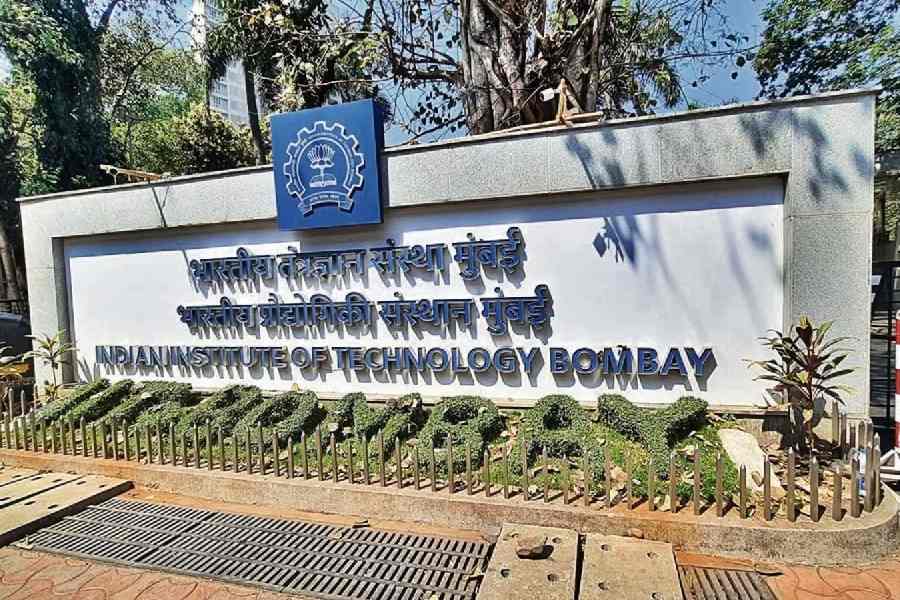
IIT Bombay Launches E-PG Diploma In Computer Science And AI

Australian Police Charge Two Men in Open-Source Hacking Case

Jefferies sees 40% upside in Kalyan Jewellers shares

Audit Firms Adapt to Digital Businesses and Data Deluge

OpenAI's ChatGPT Ads Launch Reshapes India's Digital Advertising Landscape

Dombivli Software Developer Allegedly Loses ₹11 Lakh In Dating-App Fraud

NFRA Lists 948 Audit Firms Missing FY25 Returns

India’s GCCs Shift From Back Offices Toward Innovation