

1 hr ago
Maldives Fully Repays $150 Million Treasury Bill Facility
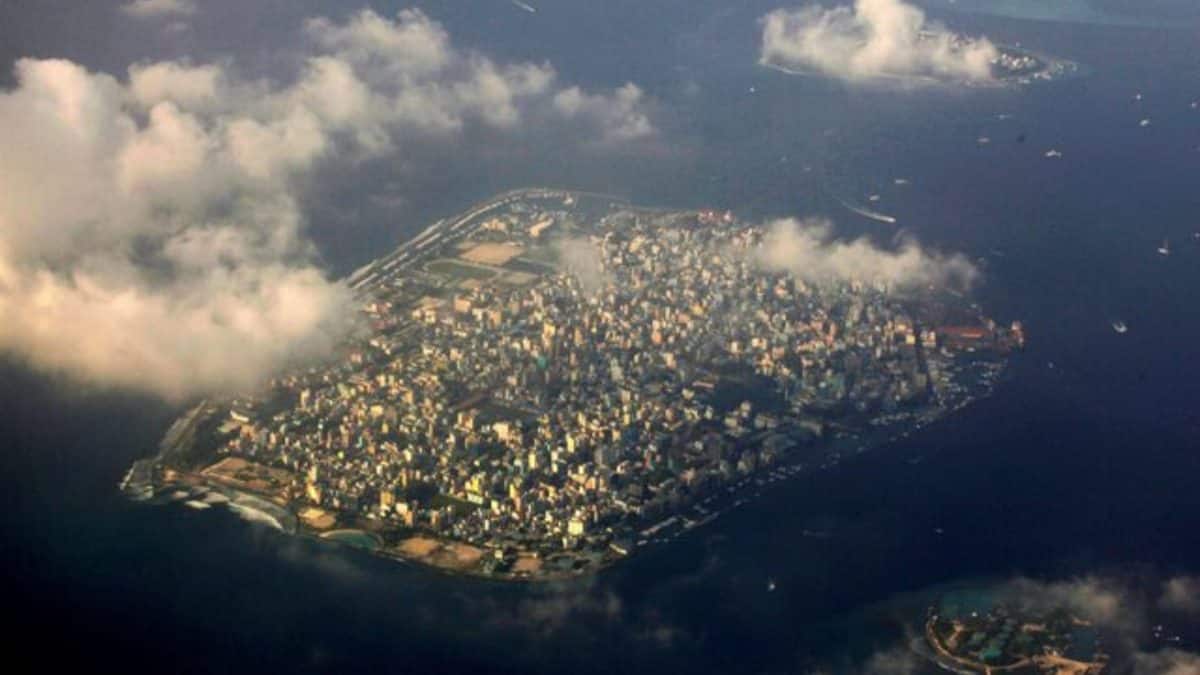
The Maldives borrowed money through Treasury bills that were subscribed to by State Bank of India.
The total facility was worth $150 million.
The Maldives paid back the original amount in three installments of $50 million.
The final installment was reported as paid on September 17.
India paid about $45 million in interest over five years.
India also offers other financial support to help the Maldives manage its money.
The Maldivian government said it has enough foreign currency to keep buying fuel, food, and medicine.
The reports give conflicting years for the final repayment, listing both 2024 and 2026.

The Maldives settled the final $50 million tranche of a $150 million Treasury bill facility subscribed by State Bank of India.
The facility was issued in 2019 and extended six times, with the principal repaid by the Maldives.
India covered nearly $45 million in interest payments over the facility’s five-year period.
India also provides the Maldives with a 30 billion Indian rupee currency-swap facility and has subscribed to $350 million in Treasury bonds.
The reports differ on the repayment timeline, citing September 17, 2024, and September 17, 2026, while Maldivian officials said essential imports would not be affected.
- Who
- The Government of Maldives, the Government of India, State Bank of India, and India’s Ministry of External Affairs were involved.
- What
- The Maldives fully repaid a $150 million Treasury bill facility, while India covered nearly $45 million in interest.
- Where
- The financial arrangement involved India and the Maldives.
- When
- The facility was subscribed in 2019 and extended six times; the final $50 million repayment was reported on September 17, though the articles conflict over whether this was in 2024 or 2026.
- Why
- The facility and related Indian support were intended to ease financial pressure and support the Maldivian financial system.
Indian Support Framing
Maldivian Fiscal Assurance
Meaning of the repayment
Indian Support Framing
India’s Ministry of External Affairs presented the rollovers, interest coverage, and other facilities as part of its Neighbourhood First and development partnership policies.
Maldivian Fiscal Assurance
The Maldives’ Finance Ministry emphasized that its government had honored the debt obligations on schedule and had fully repaid the facility.
Impact on essential imports
Indian Support Framing
India highlighted continuing financial cooperation and supplies of essential commodities to the Maldives.
Maldivian Fiscal Assurance
Maldivian authorities rejected concerns that debt repayment would restrict imports, saying foreign currency would remain available for fuel, food, and medical supplies.
Key facts
- Total facility
- USD 150 million
- Final tranche
- USD 50 million
- Original subscription
- State Bank of India subscribed to the Treasury bills in 2019.
- Interest paid by India
- Nearly USD 45 million over five years
- Currency-swap facility
- INR 30 billion
- Additional Treasury bonds
- USD 350 million, valid until 2029 and 2030
- Maldives’ reported reserves
- Approximately USD 664 million at the end of August, according to the Maldives Monetary Authority figures cited in one article.
Quotes

Randhir Jaiswal
External Affairs Ministry spokesperson
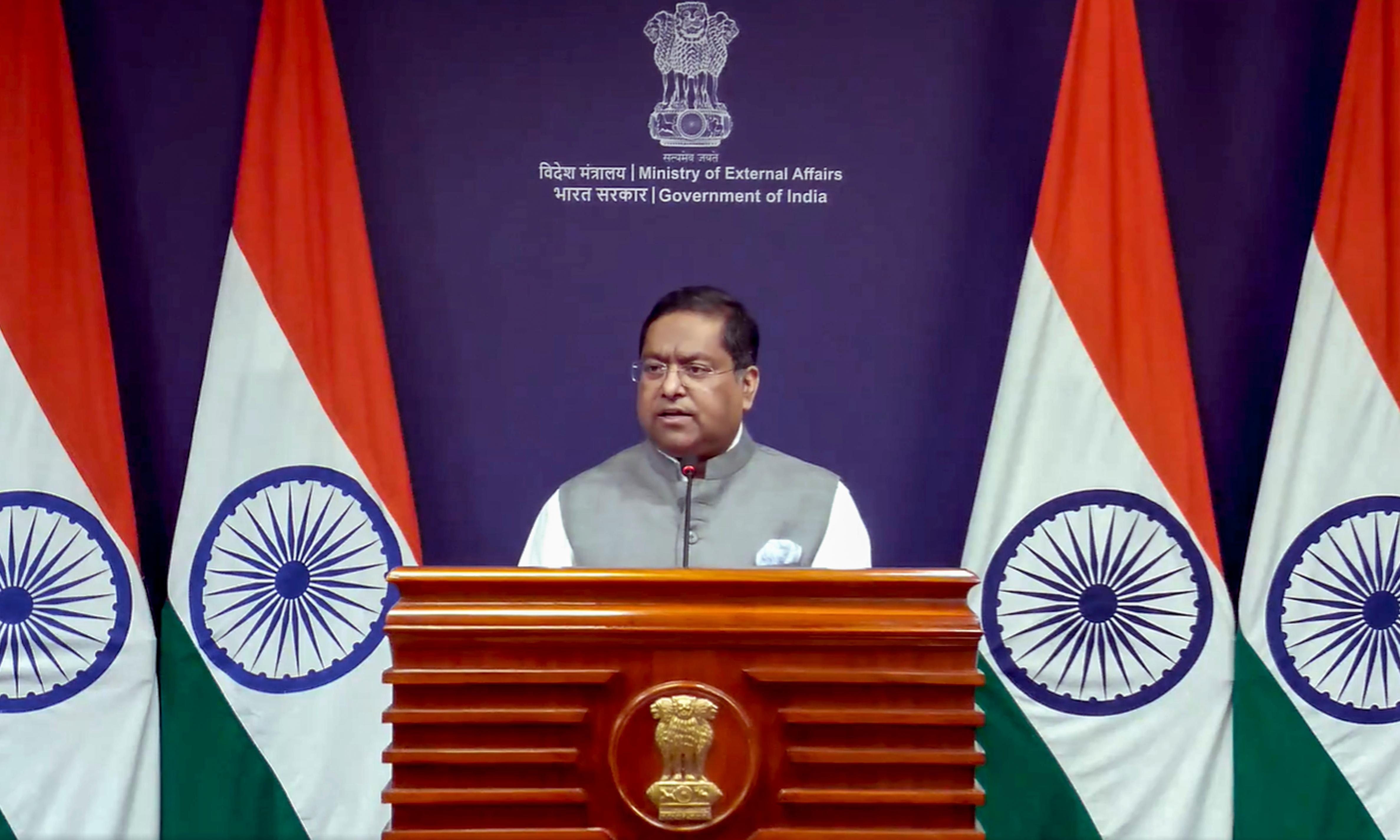
“It may also be noted that while the principal amount of the Treasury bills was paid by the Government of Maldives, the interest payment of all the US dollars 150 million Treasury bills over the past five years was borne by the Government of India. The total amount paid by India in interest settlement was close to US dollars 45 million”
 deccanchronicle.com
 firstpost.com
“The final tranche of US dollars 50 million Treasury bills, out of a total of US dollars 150 million subscribed by the State Bank of India with the Government of Maldives, has been successfully settled on 17th September 2024”
deccanchronicle.com
firstpost.com

Maldivian Finance Ministry
Maldives government ministry responsible for public finances
“The Government has also put in place the necessary arrangements to ensure the continued availability of foreign currency for the import of essential goods, including fuel, food items and medical supplies”
firstpost.com
Sources
Related news

Final Malé–Villingili Link Advances India-Backed Maldives Connectivity Project
Muizzu Hails Thilamalé Bridge as Symbol of Maldives-India Friendship

India-Maldives Defence Delegation Discusses Cooperation and Regional Security

India’s UPI Set for Uzbekistan Rollout, Deepening Bilateral Ties

India, Mauritius Sign Five-Year Fuel Supply Agreement

India and World Bank Discuss Deeper Capital Cooperation
