6 days ago
India Bets Human Motion Data Can Teach Robots
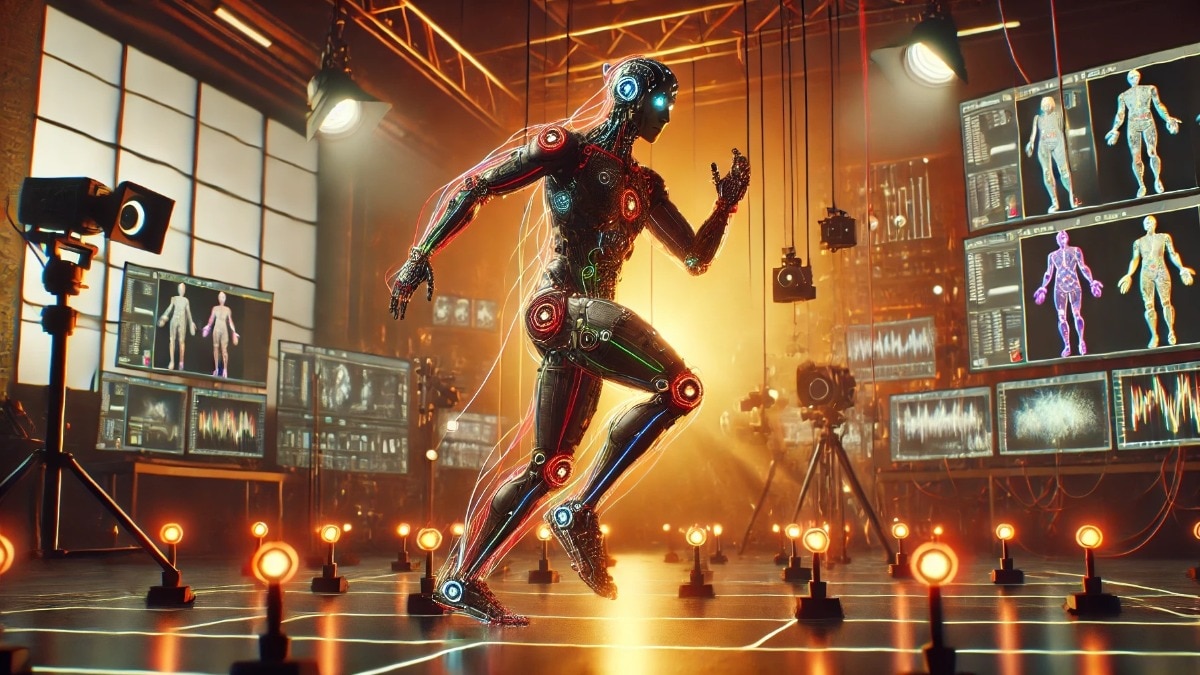
Instawork wants to help robots learn how people move and work in the real world.
Its Instacore system collects information about movements such as picking up objects and using tools.
Workers could provide data while packing products, making bouquets or doing manufacturing tasks.
The company plans to collect data in many kinds of workplaces.
Instawork says this variety is important because physical AI needs more than pictures and written information.
Robotics companies can use the collected data to train different kinds of robots.
Businesses are paid for each hour of data collected, and Instawork says they do not need to pay for equipment upfront.
The company believes collecting this data could create new jobs, including robot deployment and maintenance work.

Instawork is collecting human movement data in India to help train physical AI systems.
Its Instacore platform records tasks across manufacturing, logistics, hospitality, construction, retail and other workplaces.
The company says varied tasks and environments matter more than low labour costs for this work.
Instawork estimates robot training data will grow from 100,000 hours in 2024 to one million hours in 2025.
The company says even 20 million hours collected in 2026 would represent less than 0.04% of the data ultimately needed.
- Who
- Instawork, participating workers and businesses, and robotics companies that use training data.
- What
- Instawork is using its Instacore platform to collect human motion and workplace skill data for physical AI.
- Where
- The initiative is focused on India, with Bengaluru serving as an engineering and robotics operations base.
- When
- The company cites data-collection estimates for 2024, 2025 and 2026; no specific launch date is given.
- Why
- Robots need large amounts of diverse real-world data to learn how humans interact with physical environments.
Key facts
- Platform
- Instacore
- Data captured
- Human movements, object handling and workplace tasks
- Target customers
- Robotics companies, including foundation-model, full-stack and specialised-system developers
- Estimated data collected in 2024
- About 100,000 hours
- Estimated data collected in 2025
- About one million hours
- Projected 2026 scale
- Even 20 million hours would be less than 0.04% of the amount researchers believe is ultimately required
- Worker and business compensation
- Participating establishments are compensated for every hour of data captured
Quotes
Siddharth Srivastava
Head of IRL, APAC, at Instawork
“It’s not because of the cost that we are here, but because of the diversity of tasks and jobs that we can cover in India.”
 businesstoday.in
“Compute isn't the bottleneck in physical AI anymore. The scale and diversity of real-world skill data is”
businesstoday.in
Sources
Related news
Indian workers film own jobs at $2.62/hour to train robots
AI Data Annotation Boom Creates Low-Paying Jobs in India

Techie's AI Data Job Becomes Robot Chore Training, Sparking Complaint
China Pushes Humanoid Robots From Spectacle Toward Industrial Workforce

Former OpenAI Researcher Sees India Ready for Frontier AI