

1 hr ago
Food Safety and Diet Risks Draw Calls for Action
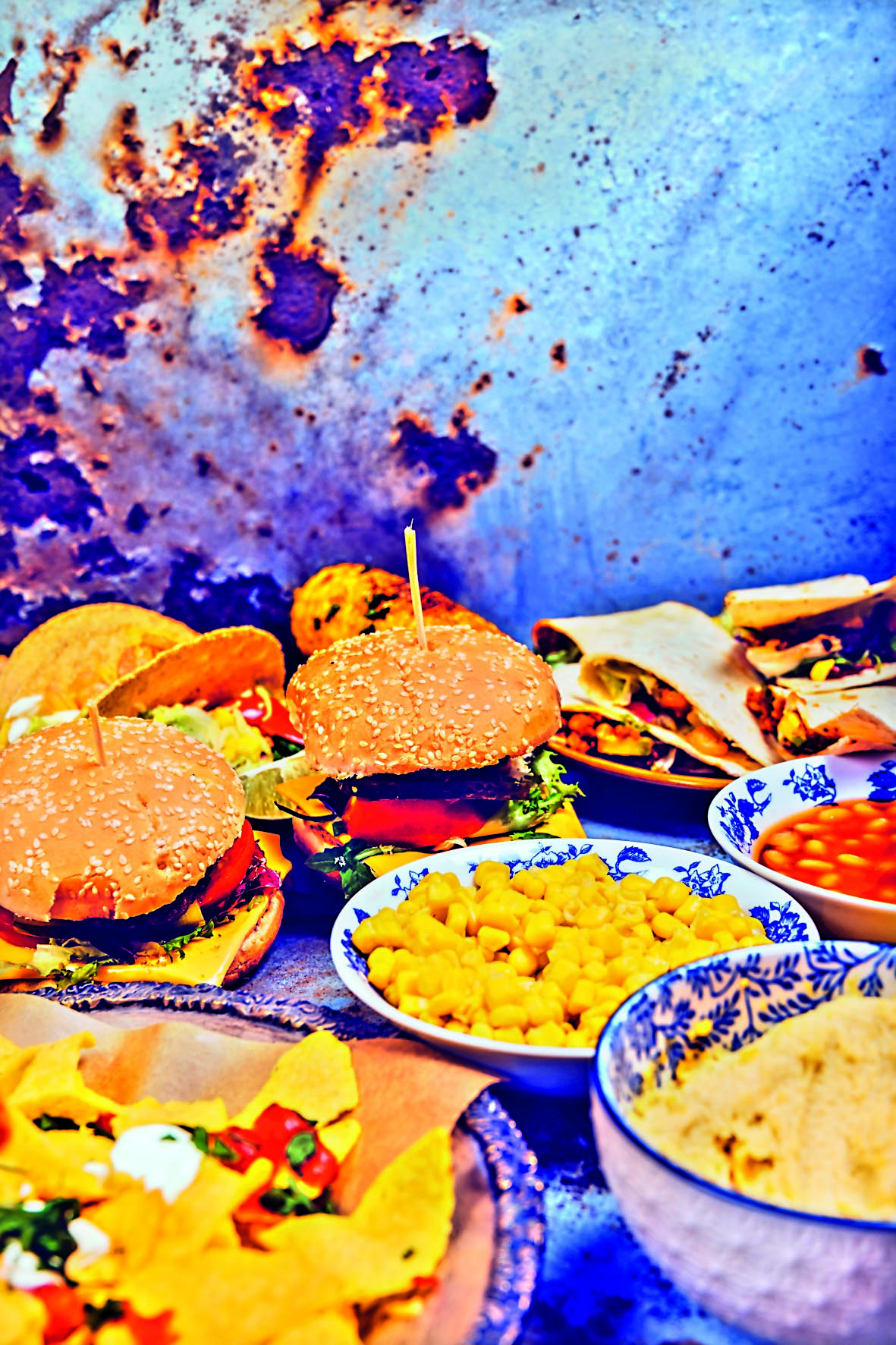
Food can be unsafe when it is contaminated or handled badly.
Some foods can also be unhealthy when eaten too often.
Snacks, instant meals and sugary drinks may contain too much salt, sugar or unhealthy fat.
These foods can increase the risk of problems such as high blood pressure and heart disease.
Some eating patterns are also linked with certain cancers.
Eating more fruits, vegetables, pulses and home-cooked food may help people make healthier choices.
Experts say food companies and regulators must help keep food safe.
They also say claims about occasional hot food in plastic containers causing cancer have not been proven.

Maharashtra FDA Commissioner Tukaram Mundhe has gained appreciation for targeting unhygienic food handling and storage.
Experts say food safety concerns include contamination, pesticide residues, preservatives, artificial colours and poor-quality ingredients.
Diets high in salt, sugar, unhealthy fats and ultra-processed foods may raise risks of obesity, hypertension, diabetes and heart disease.
High consumption of processed or red meat, sugary drinks and refined grains has been associated with some cancers.
Experts call for stronger regulation, clearer food labels and more informed choices, while cautioning against unproven claims about occasional hot food use in plastic containers.
- Who
- Maharashtra FDA Commissioner Tukaram Mundhe, nutritionist Ishi Khosla, cardiologist Anuj Kapadiya and oncologist Dr M.V.T. Krishna Mohan.
- What
- Experts are examining food contamination, unhygienic handling, unhealthy diets and their possible effects on long-term health.
- Where
- Maharashtra and India, including views from AIG Hospitals and Basavatarakam Indo American Cancer Hospital and Research Institute.
- When
- Why
- The discussion focuses on reducing immediate food-safety risks and possible diet-related risks such as heart disease, diabetes, hypertension and some cancers.
Stronger Regulation and Consumer Protection
Individual Choices and Evidence-Based Caution
Who should carry responsibility?
Stronger Regulation and Consumer Protection
Ishi Khosla says food safety cannot rest on consumers alone and urges regulators to enforce existing laws more rigorously while improving access to safe, nutritious food.
Individual Choices and Evidence-Based Caution
Experts also recommend that consumers read labels, reduce ultra-processed foods and choose fruits, vegetables, pulses and home-cooked meals.
Food contamination and cancer claims
Stronger Regulation and Consumer Protection
Food contaminants, chemical exposures and excessive salt can create health concerns, and some dietary patterns are associated with increased cancer risk.
Individual Choices and Evidence-Based Caution
Dr M.V.T. Krishna Mohan says it is difficult to generalise that food contamination causes cancer; risk depends on the chemical, dose and duration of exposure, and claims about occasional hot food in plastic containers remain unproven.
Key facts
- Food safety concerns
- Pesticide residues, preservatives, artificial colours, poor-quality ingredients and microbial contamination.
- Dietary risks
- High intake of salt, sugar, unhealthy fats and ultra-processed foods.
- Cardiovascular concerns
- Packaged snacks, instant meals and sugary drinks may contribute to obesity, hypertension, insulin resistance, fatty liver and abnormal cholesterol.
- Cancer-related foods
- Processed and red meat, sugary drinks and refined grains have been associated with some cancers.
- Cooking-related concern
- Charring meat at high temperatures can produce carcinogenic compounds, while excessive salt may be linked to stomach cancer.
- Recommended choices
- Read labels and choose more fruits, vegetables, pulses and home-cooked meals.
- Regulatory proposal
- Ishi Khosla calls for stronger enforcement, accountability and meaningful penalties.
Quotes
Dr M.V.T. Krishna Mohan
Senior Consultant in Medical Oncology at Basavatarakam Indo American Cancer Hospital and Research Institute
“Unless regulatory bodies take food safety and quality more seriously and enforce existing laws and standards with greater rigour, accountability, and meaningful penalties, the burden cannot rest solely on individuals.”
 deccanchronicle.com
“Excess salt and ultra-processed foods are definitely shifting cardiovascular risk into younger age groups.”
deccanchronicle.com
Sources
Related news
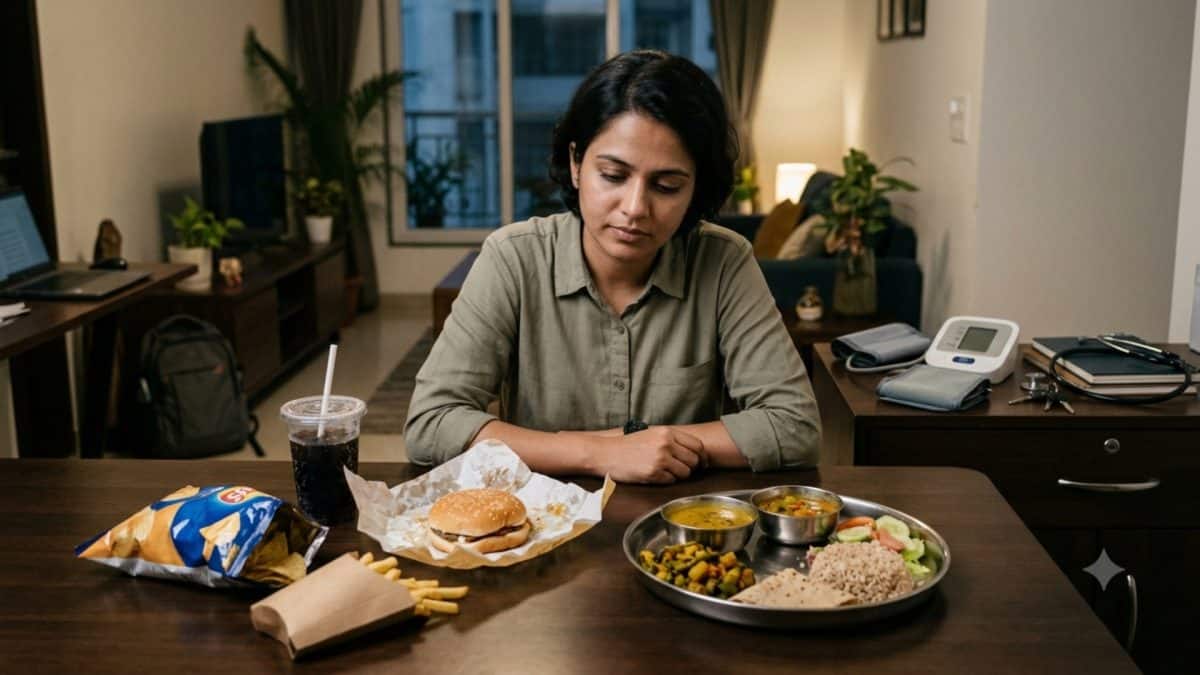
Junk Food, Lifestyle Risks Raise Heart Concerns Among Young Indians
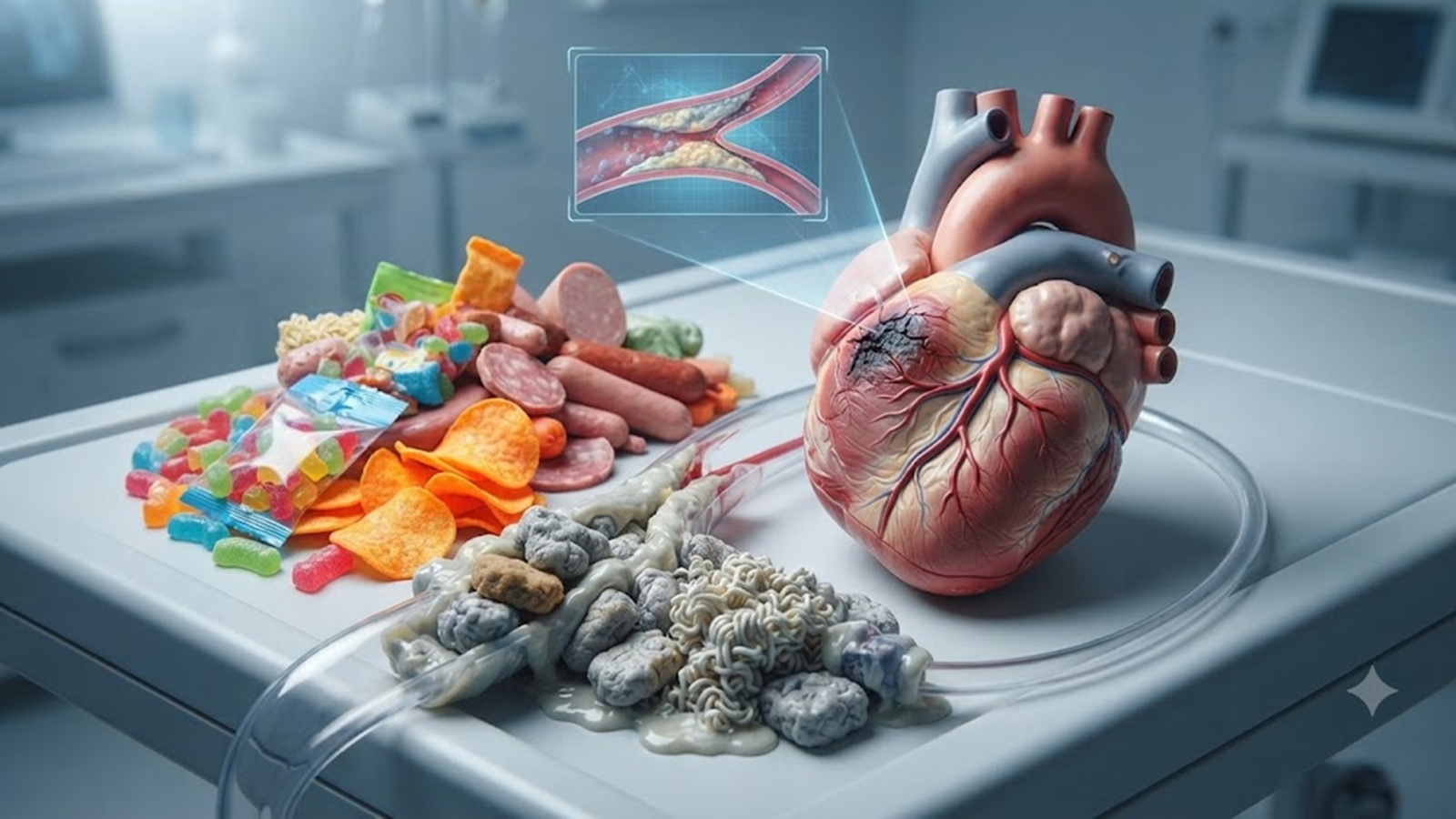
Study Links 100g More Daily Ultra-Processed Food to Heart Risk

Study Links Ultra-Processed Foods to Major Health Risks
Daily Ultra-Processed Foods May Raise Heart Risks, Cardiologist Explains

Tukaram Mundhe Warns Indians About Food Safety Risks

Doctors Warn Consumers About Misleading Food Labels and Tampering
India Lowers 2026-27 Foodgrain Target Amid El Niño Concerns

September 30 Assembly Headlines Span Crime, Diplomacy, Sports And Education

Dombivli Traffic Constable Performs CPR, Helps Biker Reach Hospital

Thane Farmers Seek Drought Status As Dry Spell Threatens Paddy
