2 hrs ago
India Import Clearance Depends on Accurate Documents and Preparation

When a business brings goods into India, customs checks the shipment and its paperwork before the goods can be delivered.
The importer must provide documents that describe what the goods are, how much they are worth, and how they were shipped.
The importer also files a form called a Bill of Entry.
Customs checks the form against the shipment and works out any duties and taxes.
Officials may sometimes inspect the goods.
If paperwork is missing or details do not match, the shipment can be delayed.
Missing permits or late duty payments can also cause delays.
Preparing documents early and responding quickly can help goods move through customs more smoothly.

Indian imports move through document submission, customs assessment, duty payment, release, and delivery.
Key paperwork includes a commercial invoice, packing list, transport document, Importer Exporter Code, and any required product approvals.
Importers file a Bill of Entry declaring shipment details, value, quantity, and tariff classification.
Mismatched documents, incorrect tariff codes, missing approvals, delayed responses, and unpaid duties can hold up clearance.
Businesses can reduce delays by preparing documents early, checking requirements and values, tracking filings, and promptly answering customs queries.
- Who
- Businesses importing goods into India and Indian customs officials.
- What
- A guide to the documents, filing, assessment, and steps involved in clearing imported goods.
- Where
- India.
- When
- During the import process, from shipment preparation through customs release and delivery.
- Why
- Accurate paperwork, timely approvals, and prompt responses help prevent customs delays.
Key facts
- Customs declaration
- The Bill of Entry records importer details, goods description, value, quantity, and tariff classification.
- Core documents
- Commercial invoice, packing list, transport document such as an Air Waybill, and Importer Exporter Code (IEC).
- Possible additional documents
- Product-specific licenses or certificates may be required for regulated or restricted goods.
- Customs checks
- Officials assess classification and declared value, calculate duties and taxes, and may physically examine goods.
- Common delay causes
- Documentation errors, inconsistent data, incorrect HS/HSN classification, missing approvals, slow replies, and unpaid duties.
- Preparation advice
- Check product requirements and documents before arrival, estimate duties, track customs status, and answer queries promptly.
- Registration mentioned
- The checklist advises importers to hold a valid IEC and an active GSTIN.
Sources
Related news

India Urged to Reform Customs Payments to Cut Delays
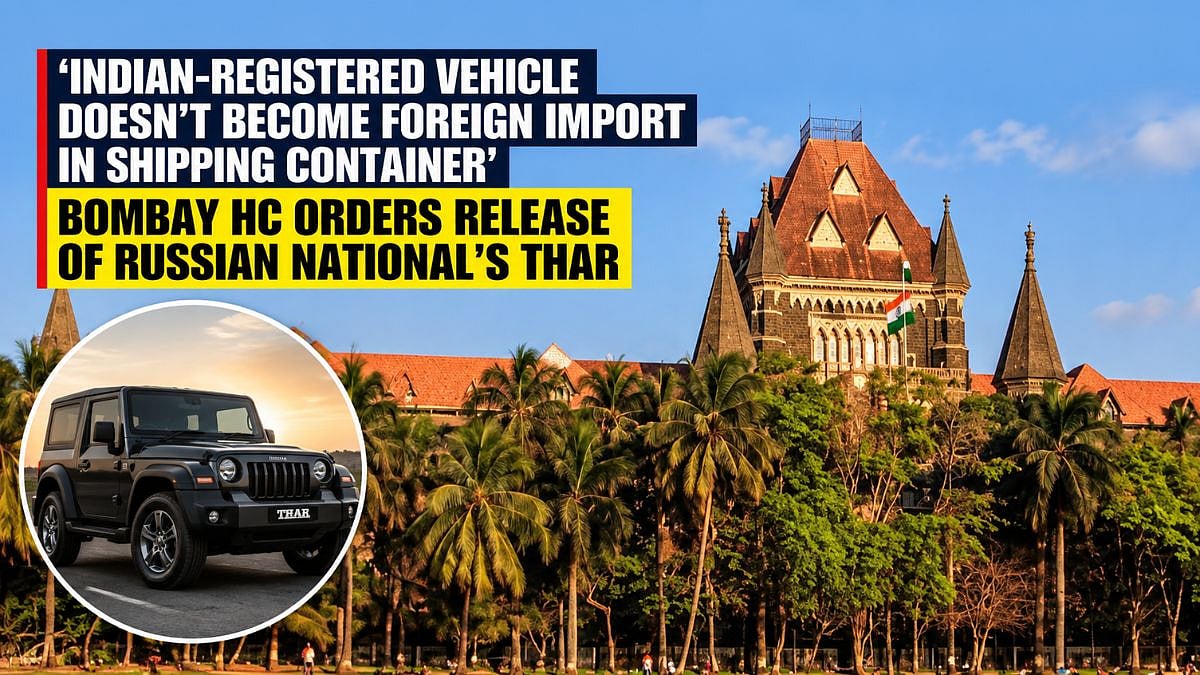
Bombay High Court Orders Release of Russian National’s Thar
India-MERCOSUR Paperless Trade Could Cut Exporters’ Costs

Chennai Customs Waives Container Charges Amid SCMTR Technical Disruptions
India Weighs Changes to Scrap Metal Inspection Rules

AILBIEA Silver Jubilee Conference to Focus on Trade Reforms

Police Charge Opium-to-Canada Network Funded Guns for Punjab

Blue Dart Names Subramanian Successor in Planned Leadership Transition

80 Kailash Manasarovar Group Members Remain Unaccounted After Nepal Floods

DHL Cargo Plane Bursts Into Flames After Landing at LAX