

1 hr ago
Russia Plague Scare Highlights Key Risks of Pneumonic Disease

Plague is an illness caused by a bacterium, and it can affect different parts of the body.
Bubonic plague often starts after a bite from an infected flea and can make lymph nodes swell painfully.
Pneumonic plague affects the lungs and can make someone very sick quickly.
It can also spread between people through droplets when an infected person coughs during close contact.
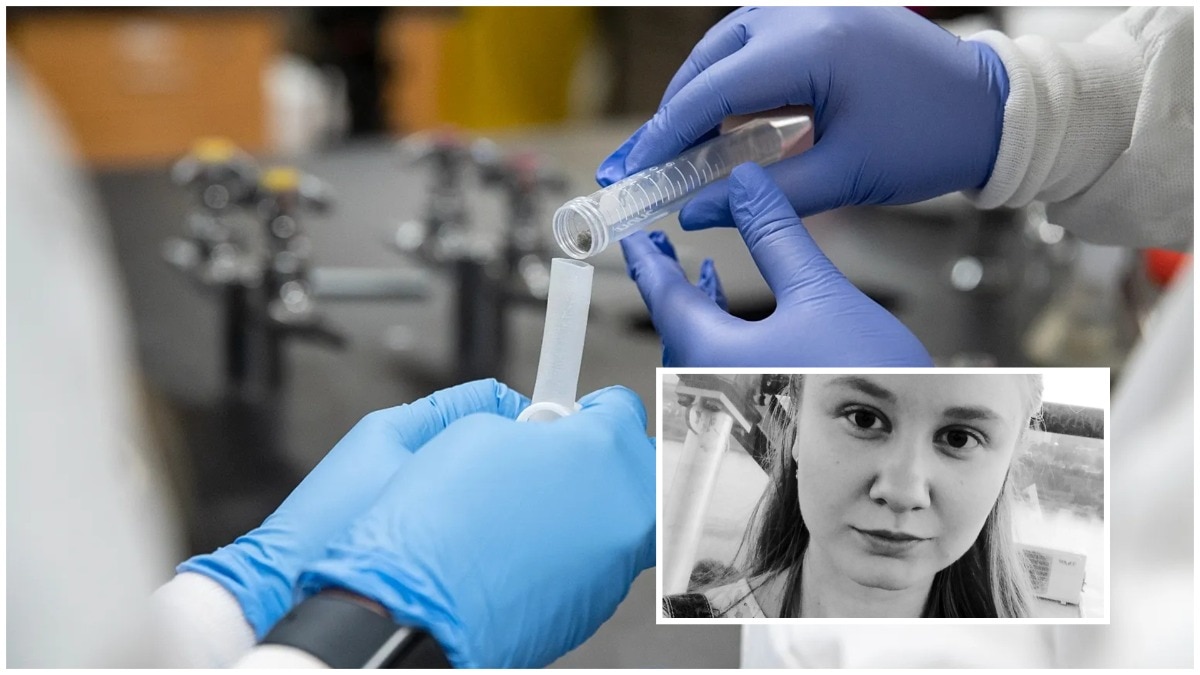
Reports from Irkutsk say a woman died and nearly 200 people are being monitored.
Officials have not confirmed that this is a widespread outbreak or that a laboratory accident caused it.
Doctors can treat plague with antibiotics, and exposed contacts may be monitored or given preventive medicine.
Fast detection and treatment can help reduce the danger.

Bubonic and pneumonic plague are forms of the same disease, caused by Yersinia pestis.
Bubonic plague usually follows an infected flea bite and commonly causes painful swollen lymph nodes.
Pneumonic plague affects the lungs, can progress quickly, and may spread through respiratory droplets during close contact.
A woman in Irkutsk reportedly died; reports say nearly 200 people are being monitored, while some hospitals were placed under quarantine.
A laboratory accident and a widespread pneumonic-plague outbreak have not been established; plague can be treated with antibiotics.
- Who
- A woman in Irkutsk reportedly died; nearly 200 contacts are reported to be under observation.
- What
- A suspected dangerous infection has prompted monitoring and some hospital quarantines; the reporting does not establish a widespread pneumonic-plague outbreak.
- Where
- Irkutsk, Russia.
- When
- The articles do not provide a date for the reported case.
- Why
- Authorities are monitoring contacts amid concern about a possible plague infection and the risk of pneumonic plague spreading through respiratory droplets.
Reported concerns
Officially cautious account
Possible laboratory accident
Reported concerns
Reports have suggested a possible laboratory accident involving plague bacteria at the research institute where the woman reportedly worked.
Officially cautious account
The laboratory-accident details have not been officially established; Russian authorities have described a suspected “particularly dangerous infection.”
Extent of the outbreak
Reported concerns
Reports describe close to 200 people under observation and some hospitals placed under quarantine, amid concern about pneumonic plague.
Officially cautious account
The available reporting does not establish that there is a widespread pneumonic-plague outbreak in Russia.
Key facts
- Cause
- Both forms are caused by the bacterium Yersinia pestis.
- Bubonic transmission
- Usually follows a bite from an infected flea.
- Bubonic incubation
- Symptoms generally appear within 2–8 days after infection.
- Pneumonic incubation
- The cited CDC guidance gives a typical period of 1–3 days after inhalation of infectious droplets; symptoms can begin as soon as one day.
- Reported monitoring
- Close to 200 people were reportedly under observation.
- Treatment
- Plague can be treated with antibiotics; treatment should begin as soon as possible when strongly suspected.
- Outbreak status
- The available reporting does not establish a widespread pneumonic-plague outbreak or confirm a laboratory accident.
Sources
Related news
Russia Investigates Lab Researcher's Death Amid Plague Fears

Lab Worker’s Death Raises Plague Fears in Siberia

Siberian Lab Worker Dies Amid Suspected Plague, Contacts Monitored

Russia Monitors Illness After Reports Suggest Possible Plague

Russia Investigates Plague After Lab Worker Dies, Nearly 200 Watched
